Trending · Science
Look up: the Beaver supermoon lights Thanksgiving week
It peaked Tuesday morning and stays nearly full through Wednesday night, the first of three in a row.
The Beaver supermoon, November’s full moon, reached peak illumination at 9:53 a.m. Eastern on Tuesday, Nov. 24, 2026, according to TIME and National Geographic. Because the peak fell in daylight for most of the United States, the best views are after sunset on Tuesday and Wednesday, when the Moon still looks full. It is the first of three supermoons in a row.
What Happened
A supermoon is a full moon that comes when the Moon is near its closest point to Earth, called perigee. NASA uses the term for a full moon within at least 90% of perigee, National Geographic reported. The Moon’s egg-shaped orbit takes it from about 223,000 miles away at its closest to about 252,000 miles at its farthest, according to TIME.
This one arrives during one of the busiest travel weeks of the year, which helped push the Moon to the third most-read article on English Wikipedia on Monday, Nov. 23, with 180,275 views. The next two supermoons peak on Christmas Eve and on Jan. 22, 2027, and National Geographic calls December’s the biggest of the year.
Why Everyone Is Talking About It
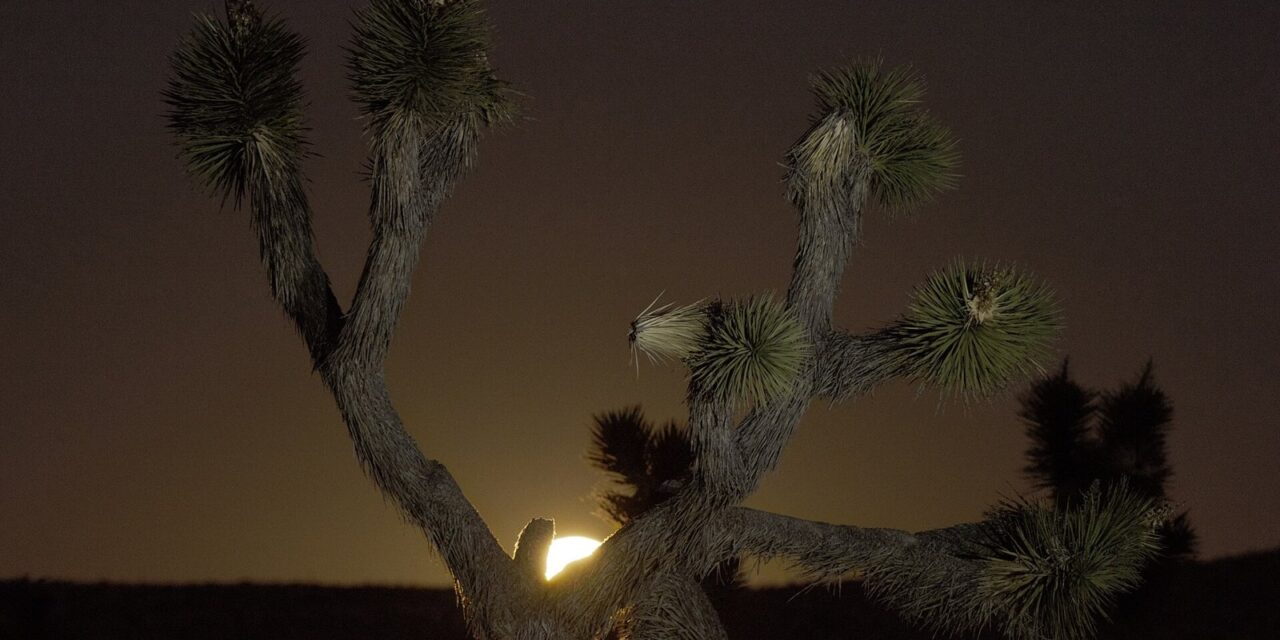
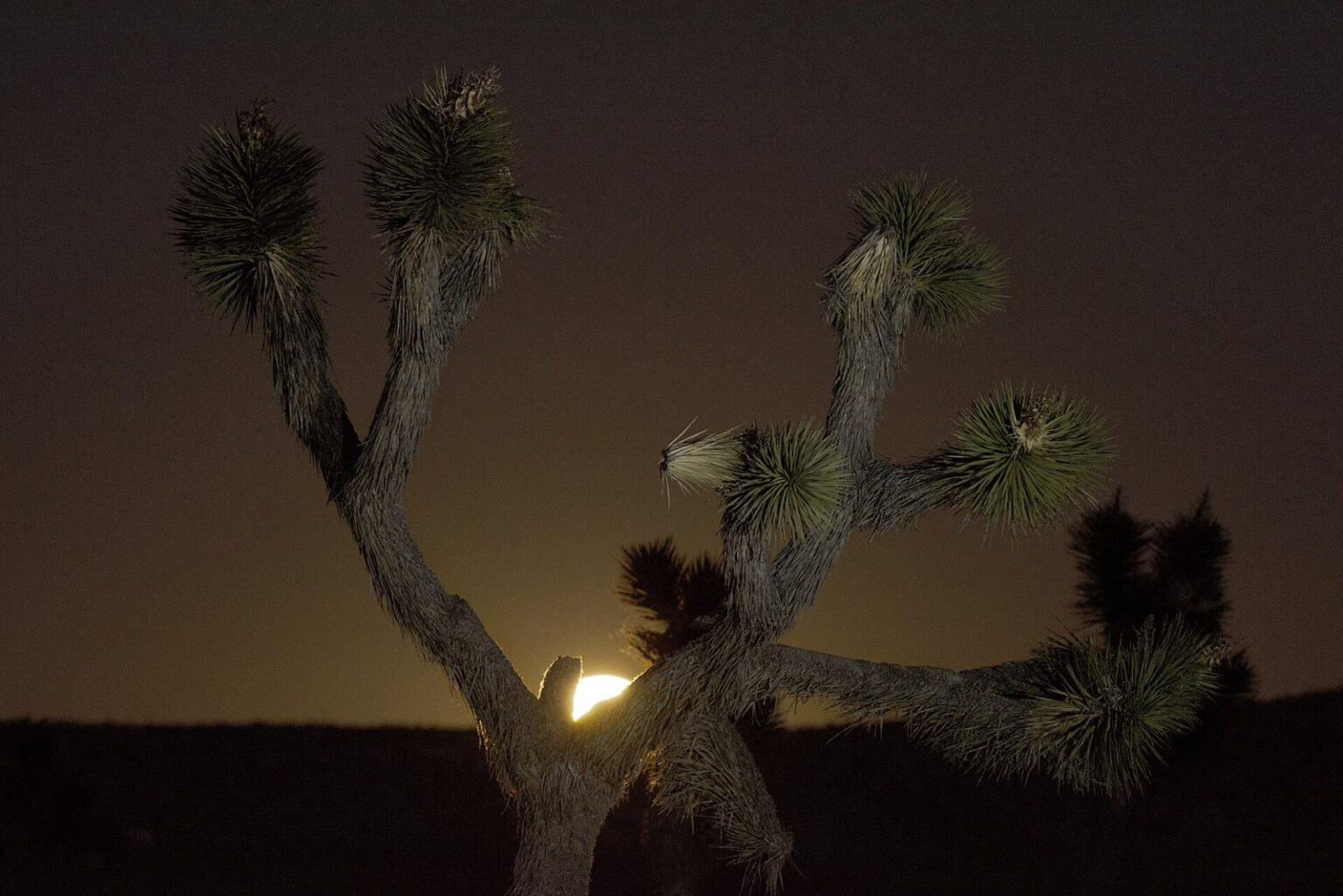
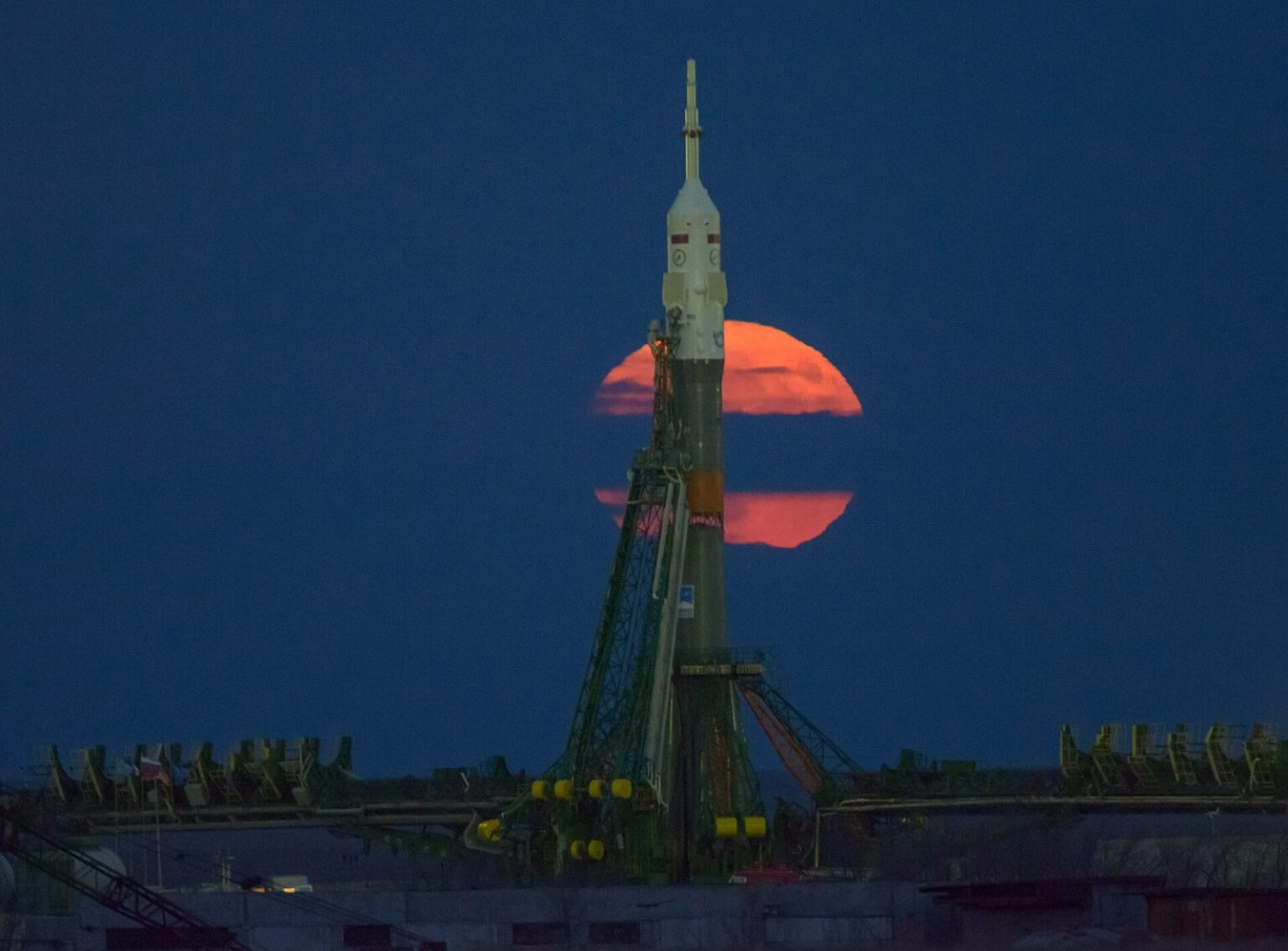
Supermoons look up to 14% larger and 30% brighter than the smallest full moons of the year, according to National Geographic and TIME. The honest truth: compared with an average full moon, the difference is hard to see with the naked eye, astronomer Devon Salasin told National Geographic. The Moon looks biggest right after it rises, when trees and buildings sit in front of it, an effect NASA calls the Moon illusion.
“Supermoon” is a popular label, not a formal astronomy term; astronomers call the alignment of the Sun, Earth and Moon at perigee a perigee-syzygy, National Geographic explained. Photographers use the same Moon illusion on purpose: shot from far away with a telephoto lens, the Moon looks enormous beside a building or hill because the lens compresses the distance between them. A full moon at its farthest point, sometimes called a micromoon, looks about 14% smaller than a supermoon, TIME reported.
The Supermoon Streak
| Full Moon | Peak Date | Note |
|---|---|---|
| Beaver Moon | Tue. Nov. 24, 2026, 9:53 a.m. EST | First of three; best seen evenings Nov. 23-25 |
| December full moon | Thu. Dec. 24, 2026 (Christmas Eve) | Biggest supermoon of the year (National Geographic) |
| January full moon | Fri. Jan. 22, 2027 | Third supermoon in a row |
What It Means for You
- For families: it is a free activity for Thanksgiving week. Step outside after dinner on Wednesday and look east. No telescope is needed; binoculars show craters and the Pleiades star cluster sits near the Moon on Nov. 24, National Geographic noted.
- For photographers and creators: shoot at moonrise with a building, tree or hill in the frame and a telephoto lens. Look up the exact moonrise time for your city with the U.S. Naval Observatory tool in the sources below.
- For business owners: restaurants with patios or rooftops, wineries and tour operators can build a simple “moon night” post or event around Christmas Eve’s supermoon, the biggest of the year. A real photo of the Moon over your own storefront makes a strong local post.
- For travelers on the road: a bright full moon helps on night drives, but plan rest stops; Thanksgiving traffic is heaviest on Tuesday and Wednesday. See Thanksgiving Travel 2026.
What Happens Next
The Moon stays nearly full through Wednesday night, Nov. 25, then begins to wane. The next supermoon peaks on Thursday, Dec. 24, and the third on Friday, Jan. 22, 2027. If clouds cover your sky this week, mark those dates.
Key takeaways
- The Beaver supermoon peaked at 9:53 a.m. Eastern on Tuesday, Nov. 24, 2026.
- The best views are after sunset on Nov. 24 and Nov. 25, when the Moon still looks full.
- Supermoons look up to 14% larger and 30% brighter than the smallest full moons.
- It is the first of three supermoons in a row: Nov. 24, Dec. 24 and Jan. 22, 2027.
- Look right after moonrise, with buildings or trees in view, for the biggest-looking Moon.
Frequently asked questions
When is the Beaver supermoon in 2026?
It peaked at 9:53 a.m. Eastern on Tuesday, Nov. 24, 2026. It looks full on the evenings of Nov. 23, 24 and 25.
What is a supermoon?
A full moon that happens when the Moon is near perigee, its closest point to Earth. NASA uses the term for a full moon within at least 90% of perigee.
Can you tell a supermoon from a normal full moon?
Barely. It can look up to 14% larger and 30% brighter than the smallest full moons, but next to an average full moon the difference is hard to see. It looks largest right after moonrise.
When is the next supermoon after November 2026?
On Christmas Eve, Thursday, Dec. 24, 2026, followed by another on Jan. 22, 2027. December’s is the biggest supermoon of the year.
Sources
- TIME: What to Know About The Supermoon Appearing This Thanksgiving Week (Nov. 23, 2026)
- National Geographic: A Spectacular Streak of Supermoons Is About to Begin (Nov. 2026)
- U.S. Naval Observatory: Sun and Moon Data for One Day (moonrise lookup)