
























Government Contracting Guide · Finding Bids
The best bids are found before they are posted.
Federal, state and local portals, early notices, award data and a weekly routine.
Knowing where to find government contracts is half the battle: federal, state and local agencies post opportunities on different portals, and the firms that win most often are the ones that see them early and choose carefully which ones to chase.
Federal opportunities: SAM.gov
Federal agencies post opportunities free on SAM.gov under Contract Opportunities. Search by NAICS code, product service code, keyword, agency, place of performance and set-aside type, then save the search so new matches arrive by email. Learn the notice types. A sources sought notice or request for information asks who can do the work; a presolicitation says a bid is coming; a combined synopsis/solicitation or solicitation is the bid itself; and an award notice shows who won and for how much. Purchases under the $15,000 micro-purchase threshold may never be posted, which is why relationships with buyers matter for small orders.
SAM.gov notice types
| Notice | What it means | What to do |
|---|---|---|
| Sources sought / RFI | The agency is researching the market | Answer it to show small firms can do the work |
| Presolicitation | A bid is coming | Start teaming and pricing |
| Solicitation | The bid itself | Read every page; decide bid or no bid |
| Award notice | Who won and the price | Study it for the next bid |
Finding work before the bid
The best time to influence a contract is before it is written. Agencies publish procurement forecasts of what they plan to buy, often a year ahead. Federal rules generally require a notice at least 15 days before a solicitation is issued and at least 30 days to respond for contracts above the simplified acquisition threshold, which is now $350,000. When you answer a sources sought notice with a clear, short capability response, you help the contracting officer decide whether to set the work aside for small businesses. That one response can turn an open competition into a small business set-aside.

State, county, city and district portals
There is no single national portal for state and local bids. Each state runs its own; in California it is Cal eProcure. Counties, cities, school districts, community colleges, universities, utilities, transit agencies, ports and airports post on their own sites or on shared bid networks, some free and some paid. Make a list of every public buyer within the area you can serve, find each bid page, and register as a vendor with the right commodity codes so the alerts come to you. A simple spreadsheet with each buyer, its portal, your login and its codes keeps the list manageable.
Award data: learn who buys what you sell
Past awards are the best predictor of future buying. For federal work, USAspending.gov shows contract awards by agency, NAICS code, location and contractor, with amounts and dates. For state and local work, read bid tabulations, board agendas and council staff reports. From this you learn which buyers purchase your service often, what they paid, when contracts expire, and which competitors and primes win. Contracts that expire next year are opportunities you can prepare for now.
Bid or no bid
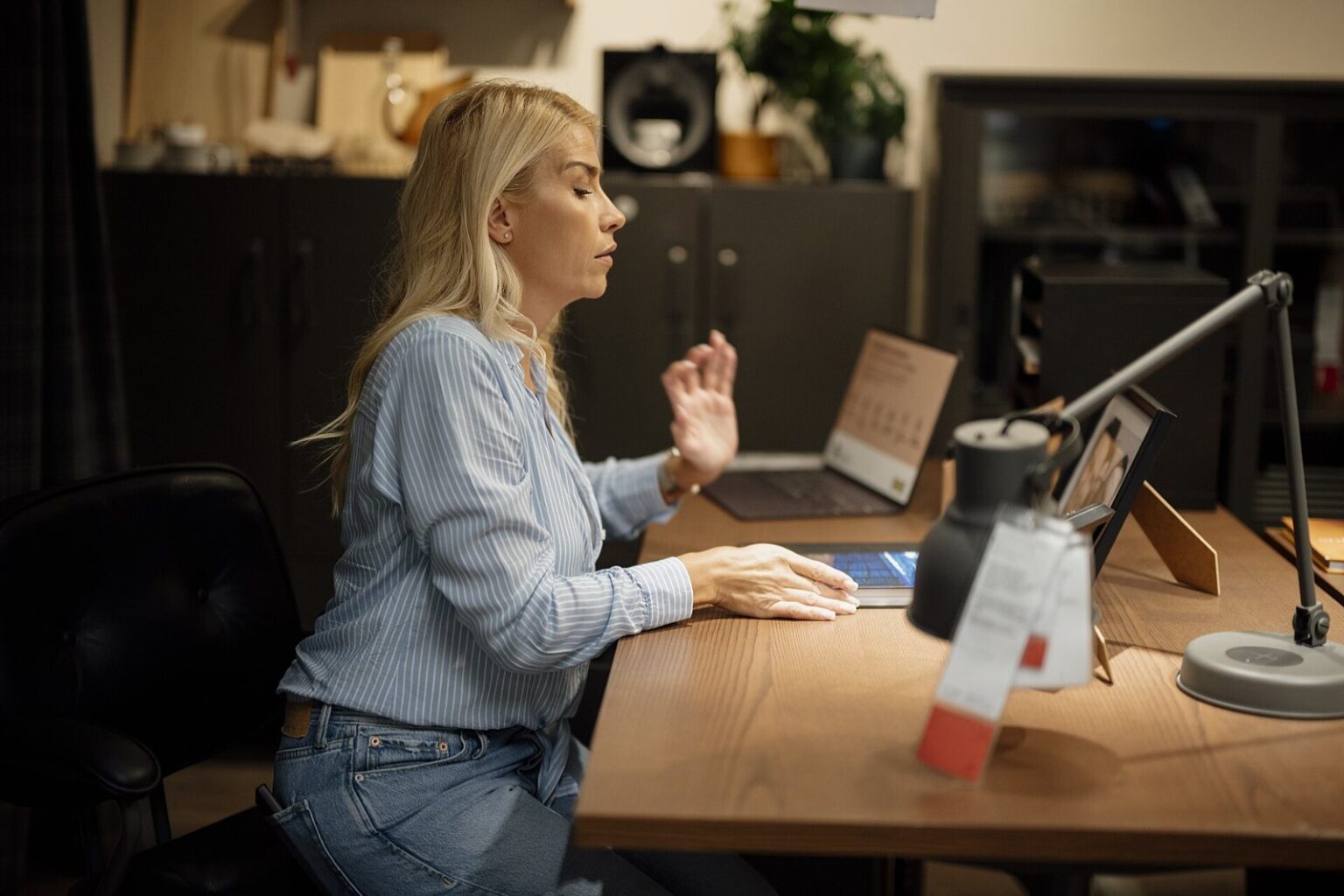
Finding more bids is only useful if you choose well. Before you spend days on a response, ask four questions. Is this our core work? Can we deliver on the schedule with our people and equipment? Can we price it to win and still make money? Can we meet the bonds, insurance, licenses and certifications it requires? If the honest answer to any of these is no, pass, and put the time into a better fit. A small firm that bids on a few well-matched opportunities usually wins more than one that bids on everything.
Your weekly bid routine
- MondayRead SAM.gov alerts and local portal emails; log new matches.
- TuesdayAnswer one sources sought notice or RFI.
- WednesdayBid or no-bid every new solicitation on your list.
- ThursdayWork on the bids you chose; send questions before the deadline.
- FridayCheck award notices and board agendas; update your tracker.
Paid bid services: are they worth it?
Many companies sell bid-matching services that collect local, state and federal notices in one place. They can save time, especially for firms that sell across many jurisdictions, but they are not required: every public notice is available free from the agency itself. Start with the free official portals and alerts, and consider a paid service only if you find you are missing local bids or spending too long searching.
Mistakes to avoid
- Searching by one keyword instead of NAICS codes, product codes and several keywords.
- Ignoring sources sought notices because they are not real bids yet.
- Registering on portals with too few commodity codes.
- Chasing every bid instead of a short list that fits.
Outreach events and agency small business offices
Not every opportunity starts on a portal. Federal agencies have Offices of Small and Disadvantaged Business Utilization, and many states, counties and large cities have small business offices that hold vendor fairs, matchmaking sessions and forecast briefings. These events let you meet buyers and primes in person, hear about upcoming work and ask how small firms usually get started. Bring a one-page capability statement, follow up within two business days, and add every contact to your tracker.
Take the Premium Finding Government Bids workshop in Inksight Courses and Trainings: six narrated lessons, quizzes and a certificate, taught by Kevin Phan. It is part of a 15-workshop series on government contracting, from city hall to federal agencies.
Key takeaways
- Federal opportunities are posted free on SAM.gov; save searches for email alerts.
- Answer sources sought notices to help create small business set-asides.
- Each state, county, city and district has its own portal; register on each.
- Award data on USAspending.gov shows who buys what you sell.
- Bid on fewer, better-matched opportunities.
Frequently asked questions
Where can I find government contracts for free?
SAM.gov for federal opportunities, your state’s portal such as Cal eProcure, and the bid pages of local agencies near you.
What is a sources sought notice?
A federal market research notice asking which businesses can do the work. Answering it can lead to a small business set-aside.
How much notice is given before a federal solicitation?
Generally at least 15 days, with at least 30 days to respond above the simplified acquisition threshold.
Do I need a paid bid service?
No. All public notices are free from the agencies; paid services can save time if you sell in many places.
How do I know which agencies buy what I sell?
Look up past awards on USAspending.gov and read local bid results and board agendas.
Sources
- SAM.gov: Contract Opportunities
- Acquisition.gov: FAR 5.203, Publicizing and Response Time
- Federal Register: FAR Inflation Adjustment of Acquisition-Related Thresholds (Aug. 27, 2025)
- USAspending.gov
- Cal eProcure
Keep reading on Inksight
- Business Credit vs. Personal Credit: What Every Small Business Owner Should Know
- How to Choose a Business Structure in California: Sole Proprietorship, LLC, S Corp or C Corp
- Business Banking 101: How to Choose and Open a Business Bank Account
- Small Business Funding Options: Loans, Grants and Investors
- Business Resources: all guides →