Non-Profit Resources · Funding and Grants
Grants for churches, found the right way
What church grants really fund, which programs are open, and the rules for federal money.
Grants for churches exist, but most pay for community programs, pastoral renewal, security or historic building repairs, not worship or general church budgets. Real sources include faith-focused foundations such as Lilly Endowment, historic preservation funds, community foundations and some federal programs that follow strict rules on religious activity.
Churches serve their neighborhoods in ways that funders value: food pantries, after-school programs, recovery groups, senior meals and disaster response. Those programs can attract grants. The Sunday service, the pastor’s regular salary and the mortgage usually cannot. Knowing that difference saves weeks of wasted applications.
Can Churches Get Grants?
Yes, churches can get grants, mostly from private foundations, denominational funds, community foundations and a few government programs. Funders usually pay for specific community services, leadership programs, security or historic preservation. Few will fund worship, evangelism or a church’s general operating budget.
A church does not need an IRS letter to be tax exempt. IRS Publication 1828 says churches that meet the requirements of section 501(c)(3) are automatically considered tax exempt and are not required to apply for recognition. It also notes that many churches apply anyway, because recognition assures leaders, members and contributors that the church is exempt. For grants, that letter matters, because funders want proof of exempt status before they write a check.
Churches are also among the organizations the IRS lists as not required to file Form 990. That is convenient, but funders who cannot read a 990 will ask for financial statements instead, so keep clean books. Our Form 990 guide explains the filing rules for church-related groups that do file.
What grants for churches usually fund, and what they usually do not
| Area | Usually fundable | Usually not fundable |
|---|---|---|
| Community programs | Food pantries, tutoring, youth programs, senior services, job training open to everyone | Programs open only to members or that require religious participation |
| Leadership | Clergy renewal leaves, leadership training through specific programs | Regular pastor and staff salaries |
| Buildings | Security upgrades for at-risk sites; historic preservation for community-serving buildings | New sanctuaries, mortgages and routine maintenance |
| Operations | A share of overhead inside a program budget | General church budget and worship costs |

Can Churches Get Grants From the Government?
Yes, churches and faith-based organizations can receive federal grants on the same basis as other organizations, but they cannot use direct federal funds for explicitly religious activities such as worship, religious instruction or proselytization. Those activities must be separate in time or location from the funded program, and participation must be voluntary.
The U.S. Department of Health and Human Services rule at 45 CFR 87.3 spells out the standard most agencies follow. A faith-based organization keeps its religious character and independence, may select board members on the basis of shared religious beliefs, and may keep religious references in its governing documents. It may not discriminate against people it serves on the basis of religion, religious belief, or refusal to take part in a religious practice.
Rules for a church running a federally funded program
- Same basisApply like any other eligible organization; agencies may not favor or disfavor you because of religious character.
- Separate religious activityHold worship, religious instruction or prayer separately in time or location from the funded service.
- Voluntary participationBeneficiaries must be free to skip any religious activity and still receive the service.
- Serve everyoneDo not turn away or treat differently anyone because of religion or refusal to participate in religious practice.
- Keep separate booksTrack federal money in its own accounts so auditors can see it paid only for the approved program.
Can Churches Get Security Grants?
Yes. FEMA’s Nonprofit Security Grant Program (NSGP) funds physical security upgrades for nonprofits at high risk of terrorist attack, and FEMA describes it as funding for community organizations, including places of worship. For fiscal year 2026, total funding was $300 million, split evenly between the Urban Area program and the State program, and FEMA announced the awards on September 28, 2026. Watch the NSGP page for the next application cycle.
FEMA Nonprofit Security Grant Program funding, FY 2026
- 50%NSGP Urban Area ($150 million)
- 50%NSGP State ($150 million)
Source: FEMA, Nonprofit Security Grant Program page, checked Nov. 28, 2026.
Federal grants require registration before you apply. See our guide to SAM.gov registration and our national guide to grants for nonprofits for Grants.gov basics.
Which Foundations Give Grants to Churches?
Foundations that give grants to churches include Lilly Endowment, which funds congregations through programs such as the Clergy Renewal Programs; the National Fund for Sacred Places for historic buildings; regional funders such as The Duke Endowment in North Carolina; and local community foundations. Each has strict eligibility rules and deadlines.
Church grant programs confirmed on official pages (Nov. 28, 2026)
| Program | Who can apply | Award and timing |
|---|---|---|
| Lilly Endowment Clergy Renewal Programs (run by Christian Theological Seminary) | Christian congregations in the 50 states, Washington, D.C. or Puerto Rico, applying with their pastor | Up to $60,000; the 2027 program year is open through March 17, 2027 (portal opens Jan. 4, 2027) for renewal leaves in 2028 |
| National Fund for Sacred Places (Partners for Sacred Places with the National Trust for Historic Preservation) | Community-serving congregations in historic buildings | Matching capital grants of $50,000 to $500,000; applications Jan. 12 to March 3, 2027; typically 30 to 40 grantees notified in October 2027 |
| The Duke Endowment Rural Church program | Select 501(c)(3) organizations in North Carolina | Supports rural congregations, with an emphasis on early literacy and nutrition; applications through its online portal |
| FEMA Nonprofit Security Grant Program | Nonprofits, including places of worship, at high risk of terrorist attack | $300 million in FY 2026; awards announced Sept. 28, 2026 |
Maximum or top award by program (U.S. dollars)
Sources: National Fund for Sacred Places and Christian Theological Seminary Clergy Renewal Programs pages, checked Nov. 28, 2026.
Lilly Endowment’s religion page groups its work into strengthening pastoral leadership, deepening Christian life, enhancing congregational vitality, strengthening religious institutions and networks, and improving public understanding of religion. Some of its initiatives invite specific organizations to apply, so read each program’s guidelines before you write.
Ask your denomination’s regional office or national foundation whether it offers grants or loans to member congregations this year, and check your local community foundation, which often funds church-based programs that serve the whole community. The Inksight Funding Finder lists nearly 1,000 curated grants, corporate sponsorships and donor organizations you can filter by focus.
Are There Grants for Church Building Repairs?
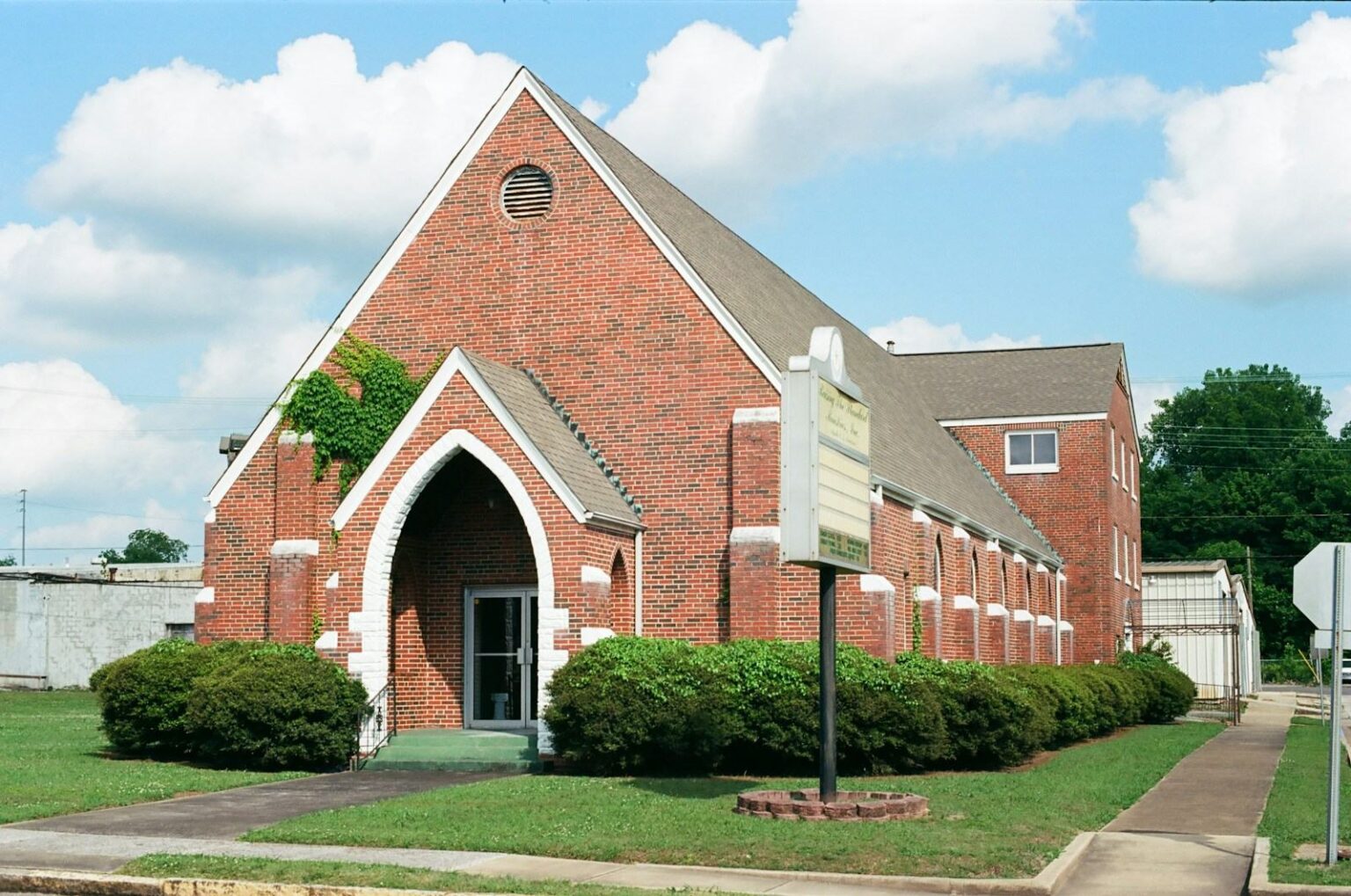
Grants for church building repairs are limited and competitive. The main sources are historic preservation programs, such as the National Fund for Sacred Places, for older buildings that serve the community, and security programs such as FEMA’s NSGP. Routine repairs, new buildings and mortgages are usually paid by members, capital campaigns or loans.
- Historic and community use. The National Fund for Sacred Places supports community-serving historic houses of worship and pairs capital grants with technical help. Its grants are matching, so plan your own share.
- Security, not renovation. NSGP pays for physical security, such as target hardening, not general repairs.
- Energy projects. People often search for church solar grants. Check your utility and state energy office for programs open to nonprofits; we did not confirm a national church-specific solar grant.
- Capital campaigns. For most buildings, a member campaign plus a loan remains the realistic plan.
Should a Church Create a Separate 501(c)(3) for Community Programs?
Often, yes. A separate 501(c)(3) for a food pantry, school or counseling center makes it easier to accept government and foundation grants, keep program money apart from church funds, and show funders a dedicated board, budget and audit. It also lets community members serve on the board.
A separate nonprofit must file its own annual return, because the church exception to Form 990 does not cover every religious organization. Publication 1828 notes that churches and some religious organizations apply for exemption with Form 1023, and smaller religious organizations may be eligible for Form 1023-EZ. Our guide on how to start a nonprofit walks through the steps.
How Do I Write a Grant for My Church?
To write a grant for your church, pick one community program, confirm the funder supports that work and your location, then describe the need with local data, the people you will serve, measurable results, a realistic budget and how you will keep religious activity separate if the funder requires it.
Church grant application steps
- Choose the program, not the churchFunders fund outcomes: meals served, students tutored, seniors reached.
- Get your documents readyIRS determination letter (or proof of church status), board list, budget, financial statements and the program budget.
- Match the funderRead guidelines, past grants and deadlines; skip funders that exclude religious organizations.
- Write the proposalNeed, program plan, outcomes, evaluation, budget and sustainability. Our grant writing guide has a full template.
- Report on timeSend results, photos and stories; a good report opens the door to renewal.
The Federal Trade Commission warns that the government will not contact you out of the blue about grants, and that no government agency will contact you to demand that you pay to get a grant. Never pay an up-front fee, give bank details or pay with gift cards, wire transfers or cryptocurrency to receive a “guaranteed” church grant.
Grants for Churches in Canada
In Canada, registered charity status matters to funders: the Canada Revenue Agency (CRA) says only registered charities and other qualified donees can issue official donation receipts. Churches that are registered charities appear on the CRA List of charities, which funders use to confirm status. Community-serving programs at Canadian churches can also look to local community foundations and provincial community grant programs.
Common Mistakes When Churches Apply for Grants
- Asking for the general budget. Most funders want a defined program with results.
- Mixing worship into a funded program. Federal rules require separation in time or location and voluntary participation.
- No financial statements. Churches do not file Form 990, so funders need your books instead.
- Ignoring matching rules. Building grants such as the National Fund for Sacred Places are matching grants.
- Paying for “grant access.” Legitimate funders never charge a fee to apply or receive a grant.
Key Terms
- Faith-based organization: a religious or religiously affiliated organization that provides services, such as a church food pantry.
- Explicitly religious activities: worship, religious instruction or proselytization, which direct federal funds cannot support.
- Integrated auxiliary: a church-related organization that, like a church, is not required to file Form 990.
- Matching grant: a grant that requires the recipient to raise a set share of the project cost.
- Determination letter: the IRS letter recognizing an organization as tax exempt under section 501(c)(3).
The bottom line: grants for churches are real but narrow. Fund community programs rather than worship, follow the federal separation rules, target programs with current deadlines such as the Clergy Renewal Programs and the National Fund for Sacred Places, and never pay a fee for a grant. Then use the Inksight Funding Finder to build your list.
Key takeaways
- Most grants for churches fund community programs, clergy renewal, security or historic buildings, not worship or general budgets.
- Churches are automatically tax exempt under IRS Publication 1828, but a determination letter helps with funders.
- Federal grants cannot pay for explicitly religious activities; separate them in time or location.
- Lilly Clergy Renewal grants go up to $60,000; National Fund for Sacred Places grants range from $50,000 to $500,000.
- Legitimate funders never charge a fee to apply for or receive a grant.
Frequently asked questions
Can churches get grants?
Yes. Churches can get grants from faith-focused foundations, denominational funds, community foundations and some government programs. Most pay for community programs, clergy renewal, security or historic preservation rather than worship or general budgets.
Can churches get grants from the government?
Yes, faith-based organizations can compete for federal grants on the same basis as others, but direct federal funds cannot pay for explicitly religious activities, which must be separate in time or location, and participation must be voluntary.
Are there grants for church repairs?
Some. Historic, community-serving churches can apply to programs such as the National Fund for Sacred Places, which makes matching capital grants of $50,000 to $500,000. FEMA’s Nonprofit Security Grant Program pays for security upgrades, not general repairs.
Does a church need 501c3 status to get grants?
Churches that meet section 501(c)(3) requirements are automatically tax exempt, but many funders ask for proof, so many churches request an IRS determination letter. Some churches form a separate 501(c)(3) for community programs.
What grants are available for churches in 2026?
Programs confirmed on official pages include Lilly Endowment Clergy Renewal grants of up to $60,000 (open through March 17, 2027), the National Fund for Sacred Places (applications Jan. 12 to March 3, 2027) and FEMA’s Nonprofit Security Grant Program for places of worship at high risk.
How do I find grants for my church?
Ask your denomination’s regional office, check your community foundation, read Lilly Endowment’s religion programs and historic preservation funds, and search the Inksight Funding Finder, which lists nearly 1,000 curated funders.
Sources
- IRS: Publication 1828, Tax Guide for Churches and Religious Organizations (Rev. 8-2015)
- IRS: Annual exempt organization return, who must file (church exceptions)
- 45 CFR 87.3: Equal treatment of faith-based organizations in HHS programs (Cornell LII)
- FEMA: Nonprofit Security Grant Program (NSGP)
- Lilly Endowment: Religion grantmaking
- Christian Theological Seminary: Lilly Endowment Clergy Renewal Programs
- National Fund for Sacred Places (Partners for Sacred Places and the National Trust for Historic Preservation)
- The Duke Endowment: Rural Church program
- Federal Trade Commission: Government grant scams
- Canada Revenue Agency: List of charities and other qualified donees