

Business · Real Estate
Read the lease before you sign
What a commercial lease really costs, which terms to negotiate, and the California rules that protect small tenants.
A commercial lease is often the largest contract a small business signs, and unlike an apartment lease, most of its terms are open to negotiation. The base rent is only the start: operating costs, the length of the term, renewal rights, repairs and accessibility can each change what you pay by thousands of dollars. This guide walks through each clause and the California protections small tenants can claim.
This guide is based on California Senate Bill (SB) 1103, Chapter 1015 of the Statutes of 2024, Civil Code Section 1938 on accessibility inspections, Business and Professions Code Section 18000 and the U.S. Small Business Administration’s (SBA) location guide, all read Nov. 21, 2026. It is general information, not legal advice; have an attorney review any lease before you sign.
Start with the space, not the lease
Before you negotiate a single clause, confirm the space can legally hold your business. The SBA advises that any property you buy, rent or build must conform to local zoning requirements, and that zoning can limit or ban certain business types in an area. In the city of Sacramento and other local cities, the planning department can tell you whether a use is allowed at an address and whether you need a permit. Our Sacramento business license guide covers the local registrations that come next.
- Zoning and permits: is your use allowed, and does it need a conditional use permit?
- Build-out: what will it cost to make the space work, and who pays?
- Parking, signage and hours: are there limits in the lease or the property rules?
- Accessibility: has the space had a Certified Access Specialist (CASp) inspection?
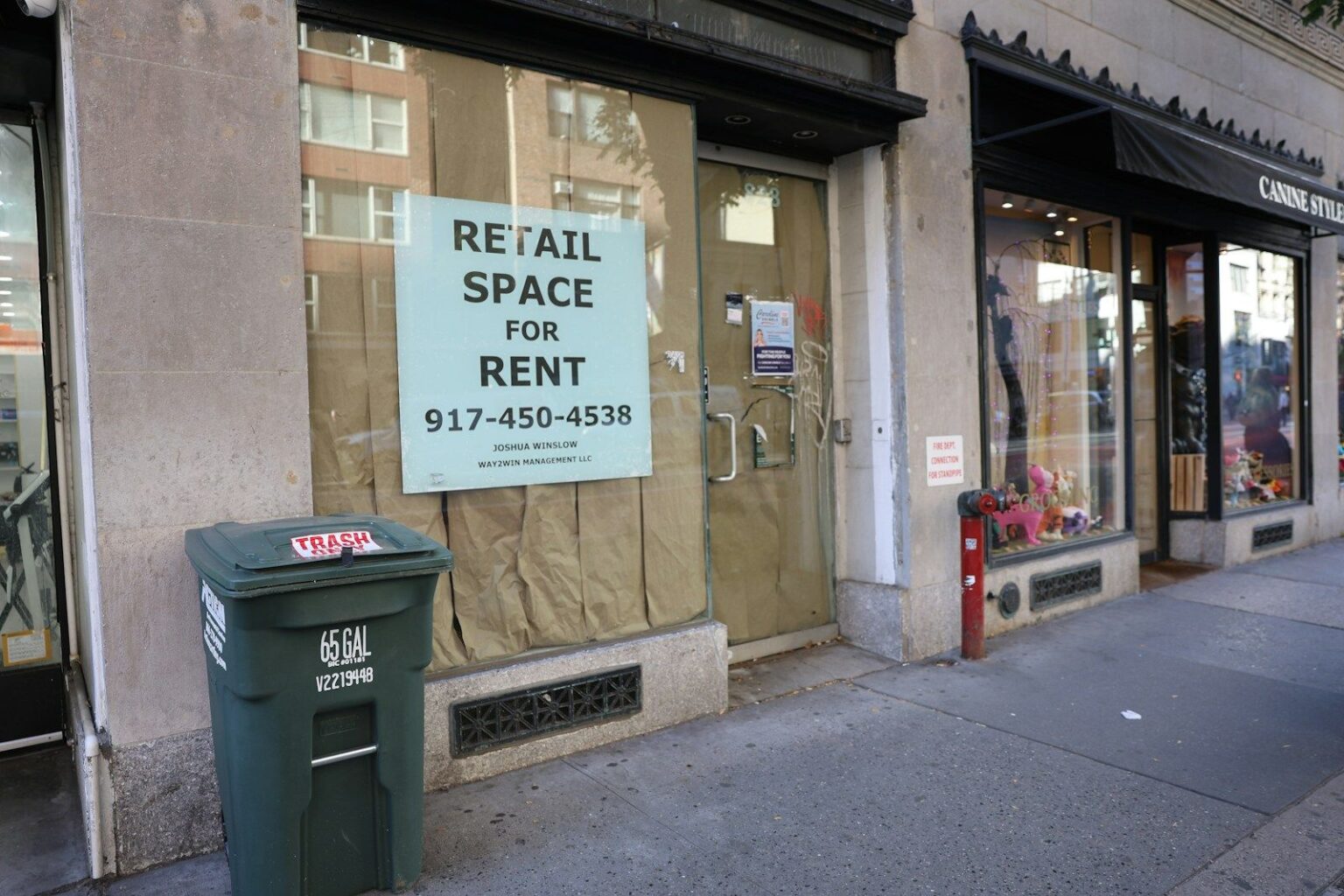
The three common rent structures
Commercial rent is quoted in different ways, and two spaces with the same base rent can cost very different amounts each month. Ask the landlord which structure applies and what is included.
Gross, modified gross and triple net leases
| What you pay | Who carries the risk | |
|---|---|---|
| Gross (full service) | One rent amount; the landlord pays taxes, insurance and maintenance | Landlord, who usually builds expected costs into the rent |
| Modified gross | Base rent plus some costs, such as utilities or a share of increases | Shared, as the lease spells out |
| Triple net (NNN) | Base rent plus your share of property taxes, insurance and common area maintenance | Tenant, who pays when those costs rise |
Common area maintenance (CAM) charges, taxes and insurance are often called operating costs or pass-through costs. They can change every year, so ask for the last two or three years of actual charges, not only this year’s estimate.
Illustrative monthly cost of a 1,500 square foot triple net space
Illustrative example. Your numbers come from the landlord’s quote and the building’s actual operating costs.
In this example, the “$2 per square foot” rent becomes about $2.65 once operating costs are added, a third more than the headline number. Build the full amount into your small business budget before you commit.
California’s SB 1103: protections for small tenants
Since Jan. 1, 2025, California gives some small commercial tenants protections that used to apply only to residential renters. SB 1103, signed Sept. 30, 2024, created the “qualified commercial tenant.” You qualify if your business is one of the following:
- A microenterprise: under Business and Professions Code Section 18000, a business with five or fewer employees, including the owner, that generally lacks access to loans or other capital.
- A restaurant with fewer than 10 employees.
- A nonprofit organization under Section 501(c)(3) with fewer than 20 employees.
To claim them, you must give the landlord a written notice that you are a qualified commercial tenant and a self-attestation of your employee count within the previous 12 months. For a lease longer than month to month, give the notice before or when you sign the lease, then once a year after that. Keep a dated copy.
Notice a landlord must give a qualified commercial tenant
Applies to month-to-month and other periodic tenancies. Source: SB 1103 (Civil Code Sections 827 and 1946.1 as amended), read Nov. 21, 2026.
Operating cost rules
SB 1103 added Civil Code Section 1950.9, which limits how a landlord can bill a qualified commercial tenant for building operating costs. The landlord may charge them only if all of these are true:
When a landlord may charge operating costs
- Fair allocationCosts are split proportionately per tenant, by square footage or by another method backed by documentation.
- Recent costsCosts were incurred in the previous 18 months, or are reasonably expected in the next 12 months.
- Notice before signingBefore the lease is signed, the landlord tells you in writing that you may inspect the supporting documents.
- Records on requestThe landlord provides the documentation within 30 days of your written request.
- No surprise formulaThe landlord cannot change the allocation method to raise your share without written notice and documentation.
If a landlord tries to evict a qualified commercial tenant for unpaid operating costs without following these rules, the tenant can raise the violation as a defense. The law also extends California’s translation rule to commercial leases: if you negotiate mainly in Spanish, Chinese, Tagalog, Vietnamese or Korean, you are entitled to a translation of the agreement in that language.

Accessibility: the CASp disclosure
Under Civil Code Section 1938, every commercial lease signed on or after Jan. 1, 2017 must state whether the premises have been inspected by a Certified Access Specialist (CASp). If there is a CASp report, you have the right to review it before you sign, and the owner must provide a copy of any inspection certificate and report within seven days of signing.
Section 1938 presumes that repairs needed to correct violations noted in a CASp report are the property owner’s responsibility, unless you and the owner agree otherwise. Read that clause closely: many leases shift the cost to the tenant, and an accessibility claim after you open can be expensive.
The clauses to negotiate
Most terms in a commercial lease are negotiable, especially when a space has been empty for a while. Focus on the clauses that change your total cost and your flexibility:
What to ask for
| Clause | Ask for | Why it matters |
|---|---|---|
| Term | A shorter first term with renewal options | Limits your risk if the location does not work |
| Rent increases | A fixed annual increase you can plan for | Avoids open-ended jumps |
| Free rent and tenant improvements | Months of free rent or a build-out allowance | Covers the cost of opening |
| Operating cost cap | A limit on how much CAM charges can rise each year | Protects you on a triple net lease |
| Personal guarantee | A cap on the amount or a time limit | Protects your personal assets |
| Assignment and sublease | The right to transfer the lease if you sell the business | Keeps a sale possible |
| Exclusive use | A promise not to lease nearby space to a direct competitor | Protects your customers in a shopping center |
Ask for every promise in writing. A landlord’s spoken assurance that “we never raise CAM charges” is worth nothing if the lease says otherwise. If you plan to buy a building later, our commercial real estate loans guide compares the cost of owning with leasing.
Insurance and indemnity
Most leases require the tenant to carry general liability insurance and to name the landlord as an additional insured, often with a minimum amount. Get the requirement before you sign and price it with your agent; our business insurance guide explains the main policies.
A step-by-step lease review
Before you sign
- Confirm zoningCheck that your use is allowed at the address and which permits you need.
- Total the real costAdd base rent, operating costs, insurance, utilities and build-out.
- Send your SB 1103 noticeIf you qualify, give the written notice and employee self-attestation.
- Read the CASp disclosureAsk for any report and agree in writing on who pays for repairs.
- Negotiate in writingTerm, renewals, increases, free rent, caps and the personal guarantee.
- Get a professional reviewHave an attorney read the final lease before you sign.
Common mistakes
- Comparing base rent only. A lower base rent on a triple net lease can cost more than a higher gross rent.
- Skipping the SB 1103 notice. The protections apply only after you give the written notice.
- Signing a long term too early. A shorter first term with renewal options limits the risk.
- Ignoring the CASp clause. Accessibility repairs can be costly; settle who pays before you sign.
- Opening before permits are approved. Rent may start before your doors can legally open.
Key terms
- Triple net (NNN) lease: a lease where the tenant pays base rent plus a share of property taxes, insurance and maintenance.
- Common area maintenance (CAM): the shared cost of parking lots, landscaping, lighting and other common areas.
- Qualified commercial tenant: under SB 1103, a microenterprise, small restaurant or small nonprofit that has given the required notice.
- CASp: a Certified Access Specialist who inspects a property for accessibility standards.
- Tenant improvement allowance: money from the landlord to build out the space.
The bottom line: a commercial lease sets your costs for years, so total the real monthly cost, use the SB 1103 protections if you qualify, settle accessibility repairs in writing and negotiate the term, increases and guarantee before you sign. The best time to change a lease is before your signature is on it.
Free help in the Sacramento region
You do not have to work through these decisions alone. SCORE Sacramento pairs owners with volunteer mentors, many of them retired executives, bankers and accountants, at no cost. The Sacramento Valley Small Business Development Center offers free one-on-one advising on financing, budgeting and financial statements. The SBA’s Sacramento District Office can explain loan programs and connect you with lenders, and community lenders such as California Capital and Opening Doors serve owners who need smaller loans or extra support. Browse our Business Resources and the free business help guide for more.
Key takeaways
- Compare the total occupancy cost, not the base rent: operating costs can add a third or more.
- California’s SB 1103 protects microenterprises, restaurants with fewer than 10 employees and nonprofits with fewer than 20 employees, after they give written notice.
- Qualified tenants on periodic leases get 30 days’ notice for rent increases of 10% or less and 90 days for larger increases.
- Landlords must document operating costs and provide records within 30 days of a written request.
- Every California commercial lease must disclose whether the space has had a CASp inspection.
Frequently asked questions
What is a commercial lease?
A commercial lease is a contract to rent property for business use, such as a store, office, restaurant or warehouse. Most of its terms, including rent, length, renewals and repairs, are negotiable.
What is a triple net lease?
In a triple net lease, the tenant pays base rent plus a share of the property taxes, insurance and common area maintenance. Those costs can change every year, so ask for past actual charges.
Who qualifies for California SB 1103 protections?
A microenterprise with five or fewer employees including the owner, a restaurant with fewer than 10 employees, or a 501(c)(3) nonprofit with fewer than 20 employees, after giving the landlord a written notice and employee self-attestation.
How much notice must a landlord give before raising rent?
For a qualified commercial tenant on a periodic tenancy, at least 30 days for an increase of 10 percent or less over 12 months, and at least 90 days for a larger increase.
What is a CASp inspection?
A Certified Access Specialist checks a property against accessibility standards. California leases must state whether the space has had one, and repairs noted in a report are presumed to be the owner’s cost unless agreed otherwise.
Sources
- California Legislature: SB 1103 (Menjivar), Chapter 1015, Statutes of 2024
- California Civil Code Section 1938 (CASp disclosure in commercial leases)
- California Business and Professions Code Section 18000 (microenterprise)
- U.S. Small Business Administration: Pick your business location
Keep reading on Inksight
- Business Credit vs. Personal Credit: What Every Small Business Owner Should Know
- How to Choose a Business Structure in California: Sole Proprietorship, LLC, S Corp or C Corp
- Business Banking 101: How to Choose and Open a Business Bank Account
- Small Business Funding Options: Loans, Grants and Investors
- Business Resources: all guides →