Trending · Science
A 167-year-old math problem may be solved
A proof made with AI just passed every computer check the experts could throw at it.
A Riemann hypothesis proof is suddenly the most talked-about thing in math, and it was found with help from artificial intelligence. On Nov. 20, 2026, mathematician Levent Alpöge, who works at the AI company Anthropic, released what he says is a proof of the famous problem, built while working with the company’s Claude models. One day later, the Lean and Mathlib communities, which run the leading system for checking proofs by computer, said they have full confidence the proof is correct.
What Happened
Alpöge posted a four-page note on his personal website on Friday, Nov. 20, saying he believed he had found a proof “working with Claude.” Instead of a traditional paper, he released the proof as computer code written in Lean, a language that lets a machine check every logical step. The library runs to about 17 million lines and depends only on Mathlib, Lean’s shared library of mathematics, according to the Lean community.
On Saturday, Nov. 21, the Lean and Mathlib communities published a joint statement, endorsed by the Lean FRO and the Mathlib Initiative, certifying that both the statement and the proof are correct. Dozens of people compiled the code and got the same result. Two independent tools confirmed the theorem is exactly Mathlib’s long-vetted statement of the Riemann hypothesis, and several separate proof checkers, written in different programming languages, accepted it. MIT mathematician Andrew Sutherland posted the verification logs.
Why Everyone Is Talking About It
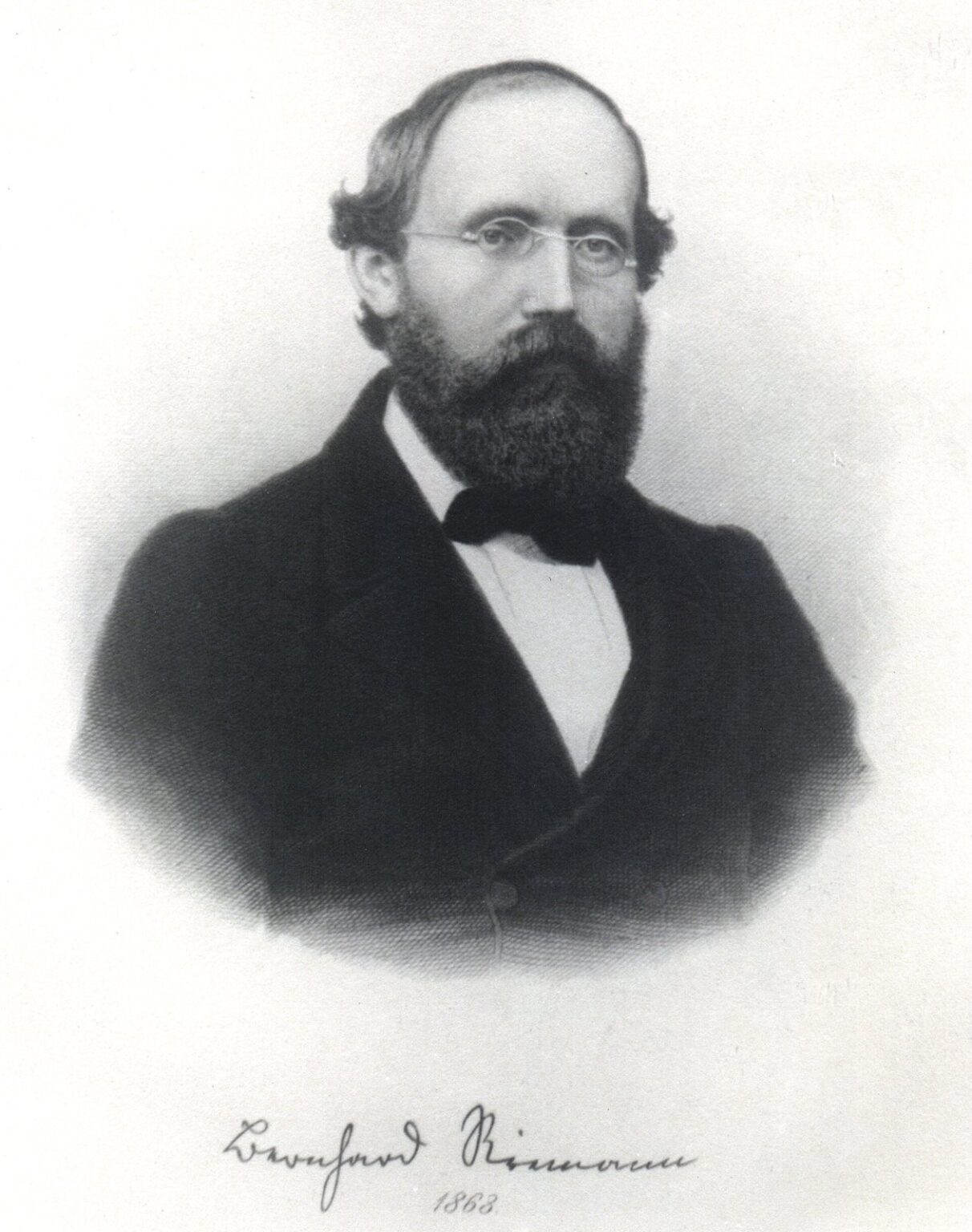
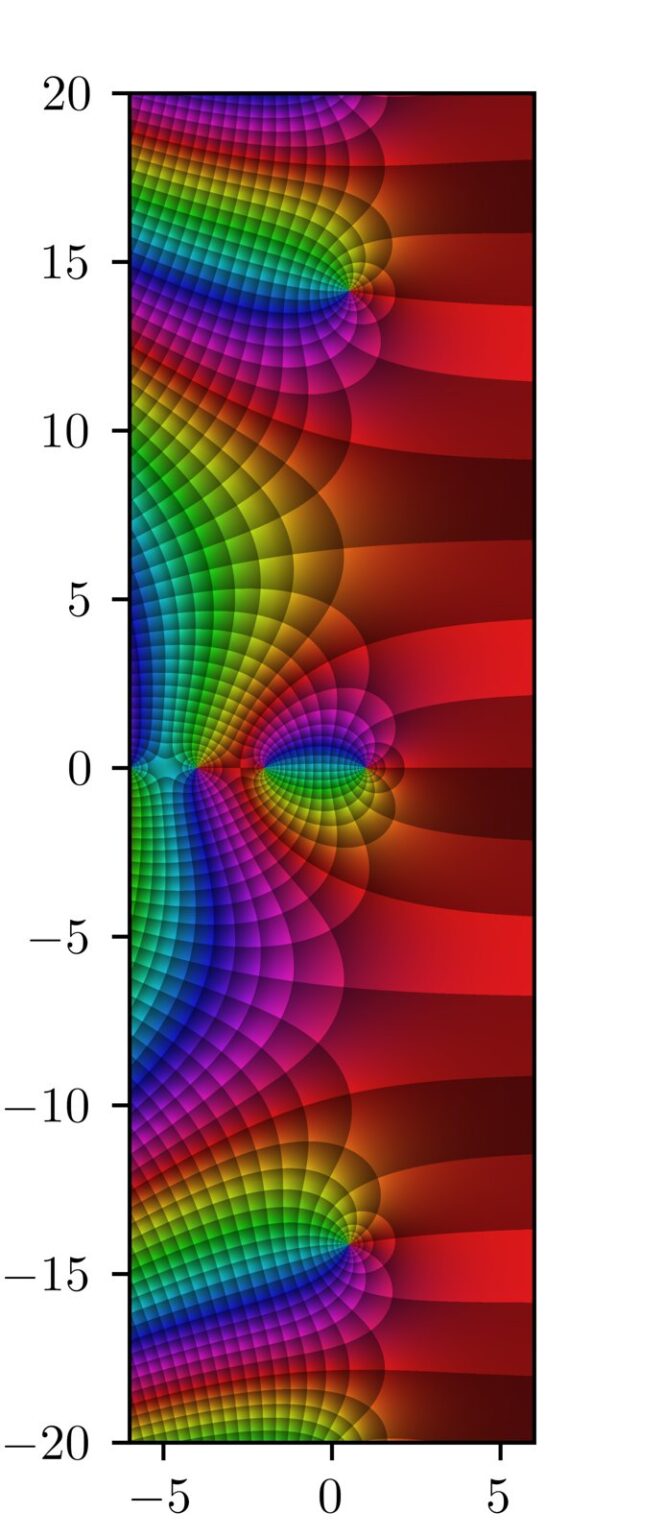
Bernhard Riemann stated the hypothesis in 1859. It predicts where the important zeros of the Riemann zeta function sit, and that in turn tells mathematicians how prime numbers are spread out. The Clay Mathematics Institute lists it as one of its seven Millennium Prize Problems, and its page notes the first 10 trillion zeros have been checked by computer. Checking examples is not a proof; a proof covers every case. That is why the problem has stood for 167 years.
The other reason is how it was found. A proof this size could never be read line by line by a person, so trust rests on the machine checks, not on human reading. That is a new way of doing mathematics, and it is arriving through an AI model that anyone can use.
Confirmed: the Lean and Mathlib communities certified the Lean proof of the Riemann hypothesis on Nov. 21. Not yet: a human-readable explanation (Alpöge has said he will write one), review by mathematicians in a journal, and any decision on the $1 million Clay prize. Alpöge’s note also claims the Generalized Riemann Hypothesis; the certification covers only the standard version.
What It Means for You
- For business owners: the same AI tools that help with emails and spreadsheets just helped with the hardest open problem in math. The lesson is to pair AI with a way to check its work. Our guide to AI tools for business covers where to start.
- For workers: the skill that mattered here was knowing what to ask and how to verify the answer. Learning to check AI output is quickly becoming a job skill in every field.
- For students and parents: math is not going away. Someone still had to frame the problem, and people now need to explain the ideas inside the proof.
- For your data security: modern encryption rests on prime numbers, but it relies on how hard it is to factor large numbers, not on the Riemann hypothesis being unproven. There is no sign this breaks online banking or passwords.
- For investors: headlines about AI breakthroughs move markets. Anthropic is now a public company, so read filings, not hype, before you act.
What Happens Next
Mathematicians will now try to understand the ideas in the proof, and Alpöge has promised a human-readable write-up. The Clay Mathematics Institute’s rules require publication in a qualifying journal and two years of general acceptance before any prize is considered, so an award, if it comes, is years away. Watch for a written paper, for reviews by number theorists and for any statement from the Clay Institute.
Key takeaways
- Levent Alpöge released a Lean proof of the Riemann hypothesis on Nov. 20, 2026, made while working with Claude.
- The Lean and Mathlib communities certified the 17-million-line proof as correct on Nov. 21.
- The certification covers the Riemann hypothesis, not the Generalized Riemann Hypothesis also claimed.
- There is no human-readable paper yet, and the $1 million Clay prize needs publication plus two years.
- For business, the lesson is AI plus verification, not AI alone.
Frequently asked questions
Has the Riemann hypothesis been proven?
On Nov. 21, 2026, the Lean and Mathlib communities certified a computer-checked proof released by Levent Alpöge on Nov. 20. Mathematicians still have to review a written explanation, which has not been published yet.
Did AI prove the Riemann hypothesis?
Alpöge says he found the proof working with Anthropic’s Claude models. The proof was released as about 17 million lines of Lean code that computers have checked.
Who gets the $1 million Millennium Prize?
No one yet. The Clay Mathematics Institute requires publication in a qualifying journal and two years of general acceptance before it considers a prize.
Does the Riemann hypothesis proof break encryption?
There is no sign of that. Common encryption depends on how hard it is to factor very large numbers, not on the Riemann hypothesis staying unproven.
Sources
- Lean community blog: Lean verification of the Riemann Hypothesis, joint statement (Nov. 21, 2026)
- Andrew Sutherland, MIT: verification overview and logs (Nov. 2026)
- MLQ.ai: Anthropic mathematician Levent Alpoge posts a claimed proof of the Riemann hypothesis (Nov. 20, 2026)
- OfficeChai: Lean community certifies Alpoge’s Claude-assisted proof (Nov. 21, 2026)
- Clay Mathematics Institute: The Riemann Hypothesis, Millennium Prize Problem