Trending Business Ideas · Meal Prep and Catering
Americans spent $1.41 trillion on food away from home in 2025, more than they spent on groceries. A meal prep business or a small catering company sells the one thing busy households and offices are short on: time, and it can start with a few weekly clients before it grows into a commercial kitchen and a team.
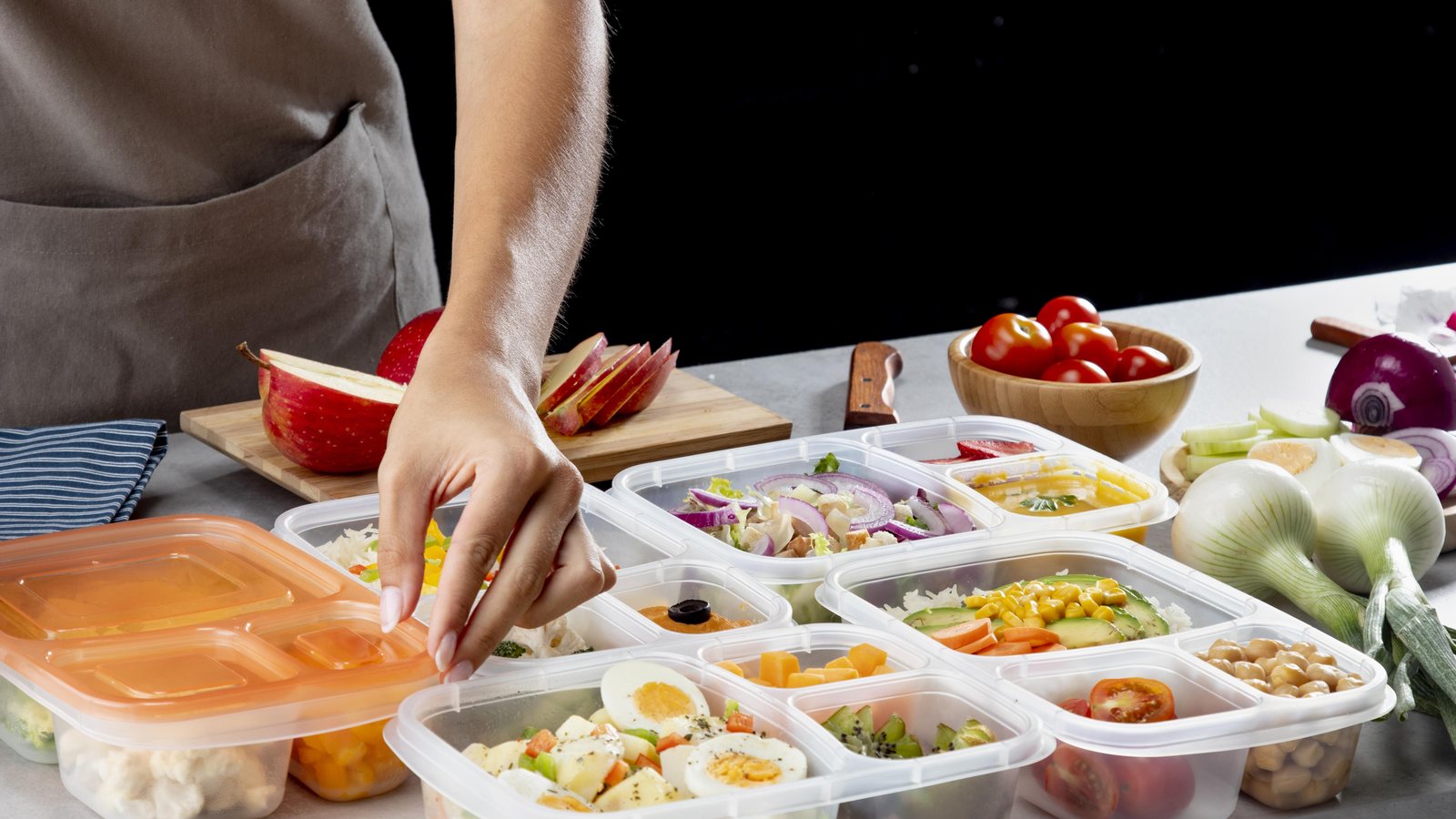
Weekly meal prep turns one cooking day into a week of ready meals for clients. Photo: Magnific.
The MarketMost Food Dollars Now Go to Someone Else’s Kitchen
The USDA Economic Research Service (ERS) reports that total U.S. food spending by consumers, businesses and government reached $2.51 trillion in 2025. Food away from home, which covers restaurants, catering, prepared meals and other food made outside the home, accounted for $1.41 trillion of it, or 56.3%. Food at home, mostly groceries, was $1.10 trillion.
The long trend points the same way. In inflation-adjusted dollars, food away from home grew from $818 billion in 1997 to $1.41 trillion in 2025, while food at home grew from $738 billion to $1.10 trillion. As a share of disposable income, food away from home rose from 4.3% to 4.9% over the same years. A meal prep business sits between the two: food made by someone else and eaten at home.
U.S. Food Spending in 2025
- Food away from home$1.41T
- Food at home (groceries)$1.1T
Source: USDA Economic Research Service, Food Expenditure Series, chart of note (June 11, 2026).
56.3% of U.S. food spending went to food away from home in 2025.
USDA Economic Research Service, June 2026
Why NowTime Is the Scarce Ingredient
Households with two working adults, long commutes and kids in activities have money for food but little time to shop, cook and clean up. Offices that bring people back on certain days want lunches without running a cafeteria. These are local, repeat purchases: a client who likes your Monday delivery wants it again next Monday.
The job data supports it. The U.S. Bureau of Labor Statistics (BLS) projects jobs for cooks to grow 7% from 2025 to 2035, about twice the 3.5% pace for all jobs. Restaurant cooks are projected to grow 12.1% and chefs and head cooks 6.6%. Private household cooks, the group that includes personal chefs, are projected to grow 5.1%.
Pay shows where skill and service add value. Private household cooks earned a median of $23.05 an hour in May 2025, more than restaurant cooks ($17.98) or institution and cafeteria cooks ($18.01). Chefs and head cooks earned a median of $62,470 a year, and food service managers $69,390. The BLS also notes that 31% of food service managers are self-employed, a sign of how many people run their own food business.
The IdeasSix Ways to Make Money in Meal Prep and Catering
Each of these can start small. The tags show whether it fits best as a side hustle, a full business, or both.
Weekly Meal Prep Delivery
Cook once or twice a week, portion meals into labeled containers and deliver or offer pickup. Weekly plans that renew automatically make income steady.
Personal Chef
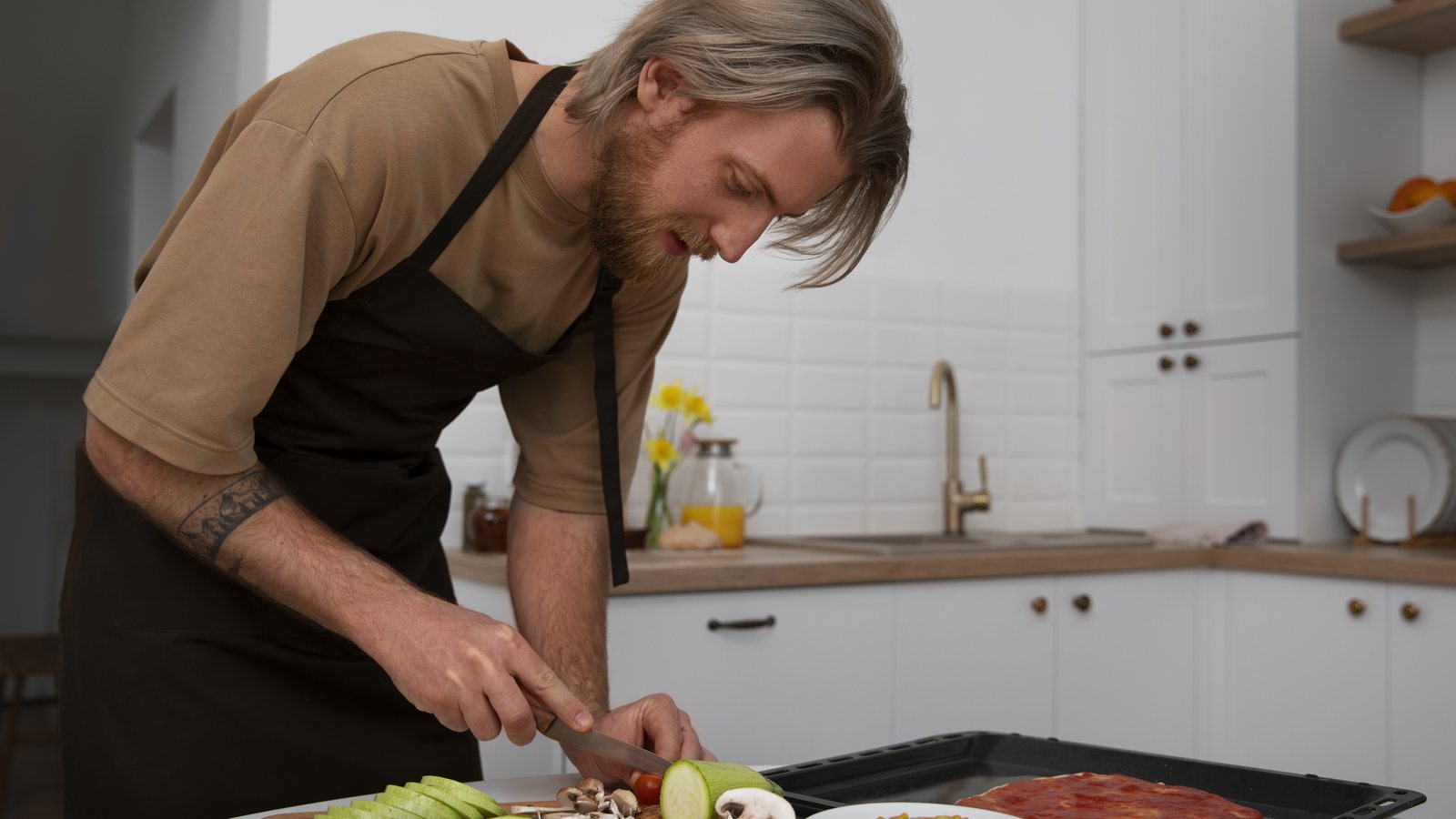
Cook in the client’s own kitchen, a few evenings or a weekend each week. You bring the skill and the menu; the client provides the kitchen.

Small Event Catering
Birthdays, showers, office parties and small weddings. Larger orders pay well but need a permitted kitchen, transport and helpers.
Office Lunch Drop-Off
Boxed lunches and trays for offices on a set schedule. A few steady office accounts can fill a weekday kitchen.
Special Diet Meal Plans
Meals for athletes, high-protein plans or allergy-friendly menus. A clear niche makes you easier to find and easier to recommend.
Cooking Classes and Meal Prep Parties
Teach small groups to cook a week of meals. Low food waste, and it builds a list of future meal prep clients.
Side Hustle or Full Business?
Start as a Side Hustle
- Personal chef work and cooking classes fit evenings and weekends.
- Rent time in a shared commercial kitchen instead of building one.
- Friends, coworkers and local groups bring your first clients.
- Good test: can you keep 15 to 20 weekly meal orders?
Grow Into a Full Business
- Meal prep delivery, catering and office lunches support a kitchen and a team.
- Expect a food facility permit, inspections, insurance and delivery costs.
- Hire when cooking day runs past what one person can safely do.
- Subscriptions and standing office orders smooth out cash flow.
Inksight’s Scorecard for a Meal Prep Business
Cooking skill is enough to begin, but food safety rules mean a permitted kitchen for most sales.
Prep days and personal chef work fit around a day job.
Food away from home reached 56.3% of U.S. food spending in 2025.
Food costs and labor are high; pricing and waste control decide your margin.
Subscriptions, office accounts and catering can grow into a full kitchen.
This scorecard is Inksight’s opinion based on the data above. It is not a guarantee of results.
Getting StartedHow to Start a Meal Prep Business
- Pick a niche and a menuChoose who you cook for, such as busy families, athletes or office teams, and start with a short rotating menu you can make well every week.
- Check food rules firstCall your county or city health department. Most places require meals sold to the public to come from a permitted kitchen and a food handler or manager certificate. Rules are based on the FDA Food Code.
- Find a kitchenRent hours in a commercial or shared kitchen, or cook in clients’ homes as a personal chef where that is allowed.
- Get licensed and insuredGet a business license and general liability insurance, and add product liability and commercial auto coverage if you deliver.
- Price by the meal and the planAdd up ingredients, packaging, kitchen rent, delivery and your time per meal. Offer weekly plans that renew automatically.
- Make ordering easyUse an online order form with a weekly cutoff, payment up front, allergy notes and a clear pickup or delivery window.
- Grow with repeat clientsAsk for reviews, add office lunches or small events when clients ask, and hire your first helper when prep day runs too long.
Know Before You StartThe Hard Parts
- Food safety is the law. Permits, inspections, cold storage and labels with ingredients and allergens are not optional.
- Home kitchens are limited. Cottage food rules, where they exist, are usually written for shelf-stable foods, not cooked meals that need refrigeration.
- Margins are thin. Ingredient prices change, and unsold food is lost money. Order cutoffs and set menus reduce waste.
- Delivery takes time. Driving routes, cold bags and missed handoffs add hours that must be built into your price.
None of these are reasons to skip the idea. They are why careful operators keep clients for years: once a family or an office trusts your food, ordering again is easy. Start with one niche, follow the rules from day one, and let repeat orders do the selling.
Key Takeaways
- Food away from home reached $1.41 trillion in 2025, 56.3% of all U.S. food spending (USDA ERS).
- BLS projects 7% job growth for cooks from 2025 to 2035, about twice the 3.5% for all jobs.
- Private household cooks earned a median of $23.05 an hour in May 2025, more than restaurant cooks.
- Start as a personal chef or a small weekly meal list; grow into delivery, office lunches and catering.
- A permitted kitchen, food safety training and insurance come before the first paid meal.
QuestionsFrequently Asked Questions
Is a meal prep business profitable?
It can be. Food away from home reached $1.41 trillion and 56.3% of U.S. food spending in 2025 (USDA ERS), so demand is real. Profit depends on pricing, food cost, waste and kitchen rent, so track the cost of every meal.
Can I start a meal prep business as a side hustle?
Yes. Personal chef work, cooking classes and a small weekly meal prep list fit evenings and weekends, especially if you rent kitchen time instead of building a kitchen.
Do I need a license to sell meal prep?
Usually. Most places require a business license, a food facility permit for the kitchen you cook in, and food handler or manager training. Local rules are based on the FDA Food Code. Check with your county health department and see the SBA’s licenses and permits guide.
Can I cook meal prep in my home kitchen?
Often not for sale to the public. Cottage food laws, where they exist, usually cover shelf-stable foods like baked goods. Cooked meals that need refrigeration typically must come from a permitted kitchen. Personal chefs who cook in a client’s home follow different rules.
How much do cooks and chefs earn?
The BLS reports a median of $23.05 an hour for private household cooks, $62,470 a year for chefs and head cooks, and $69,390 for food service managers (May 2025). Owners can earn more, or less, depending on prices and costs.
Sources
- USDA ERS: Total U.S. food spending reached $2.51 trillion in 2025 (June 11, 2026)
- USDA ERS: Food prices and spending, Ag and Food Statistics (updated June 1, 2026)
- BLS Occupational Outlook Handbook: Cooks (2025 data)
- BLS Occupational Outlook Handbook: Chefs and head cooks (2025 data)
- BLS Occupational Outlook Handbook: Food service managers (2025 data)
- BLS: Occupational projections and characteristics, 2025-35 (released Aug. 27, 2026)
- BLS: Employment Projections 2025-35 (Aug. 27, 2026)
- FDA: Food Code (2026 edition)
- SBA: Apply for licenses and permits