
Trending Business Ideas · Mobile Car Detailing
Americans are keeping their cars longer than ever: the average vehicle was a record 12.8 years old in 2025. A mobile detailing business brings the cleaning, polishing and protection to the driveway or the office lot, and it can start with one van.

A mobile detailer at work. The shop comes to the client. Photo: Zac Nielson on Unsplash.
The Market289 Million Vehicles That Need Care
S&P Global Mobility counted 289 million light vehicles in operation in the United States in 2025, up 3 million from 2024. Their average age rose to a record 12.8 years, the second year in a row with a two-month increase. Passenger cars averaged 14.5 years and light trucks, which include SUVs and pickups, 11.9 years. S&P points to high new and used prices and economic uncertainty as reasons owners hold on to what they have.
Older cars need more care to look good and hold their value, and that is the work of a detailer: deep interior cleaning, paint correction, protective coatings and headlight restoration. A mobile detailer skips the cost of a shop and wins on convenience, since the client never has to wait in a lobby or arrange a ride.
Average Age of U.S. Light Vehicles, in Years
Source: S&P Global Mobility press releases, Oct. 2022, May 2023, May 2024 and May 2025.
The average car on U.S. roads was 12.8 years old in 2025.
A record, according to S&P Global Mobility
Why NowConvenience Wins, and Fixed Washes Cannot Detail
Automatic car washes are built for speed, not detail work. The International Carwash Association counted about 17,500 conveyor washes, 29,000 in-bay automatics and 16,250 self-service washes in 2020. None of them shampoo seats, correct swirl marks or apply a coating. That leaves the detailed, hands-on work to detailers, and mobile service fits busy households and fleets that cannot spare a car for a day.
The job data shows steady demand rather than a boom. The BLS projects jobs for cleaners of vehicles and equipment to grow 4% from 2025 to 2035, a little faster than the 3.5% pace for all jobs, from 419,500 workers in 2025. The median wage for these workers was $35,830 in May 2025. Owners who sell higher-value services, such as coatings, can earn more than a wage.
U.S. Car Washes by Type, 2020
- In-bay automatic29000
- Conveyor17500
- Self-service16250
Source: International Carwash Association, 2020 counts from a study it commissioned (the total is their sum). None of these formats offers hand detailing.
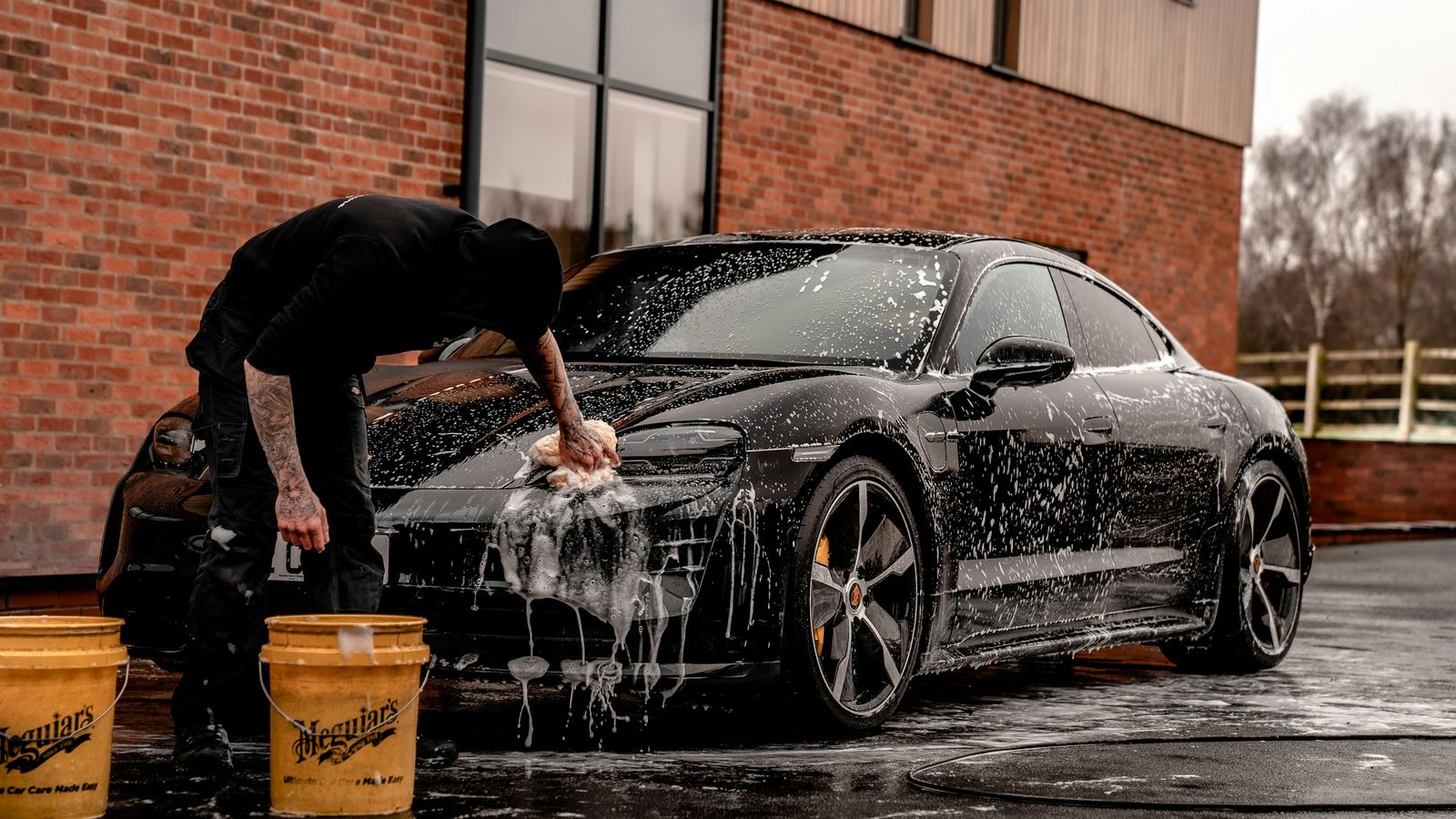
The IdeasSix Ways to Make Money in Mobile Detailing
Each one can start small. The tags show whether it fits best as a side hustle, a full business, or both.
Weekend Wash and Interior
Hand washes, vacuuming and interior wipe-downs in clients’ driveways on Saturdays and Sundays. Easy to learn and easy to sell to neighbors.
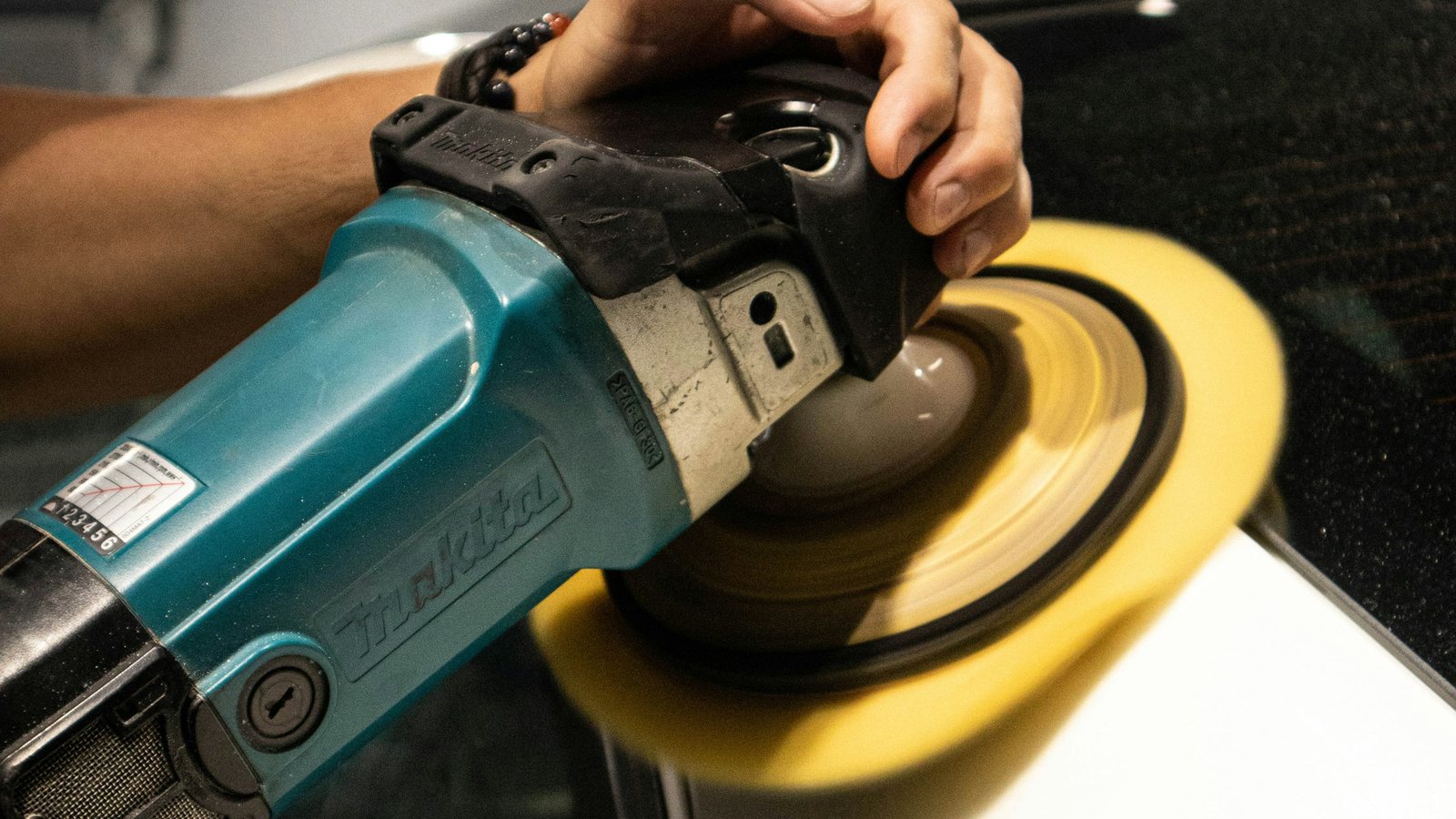
Paint Correction and Ceramic Coating
Machine polishing removes swirl marks, and coatings protect the paint for years. It takes training and good lighting but earns the largest tickets.
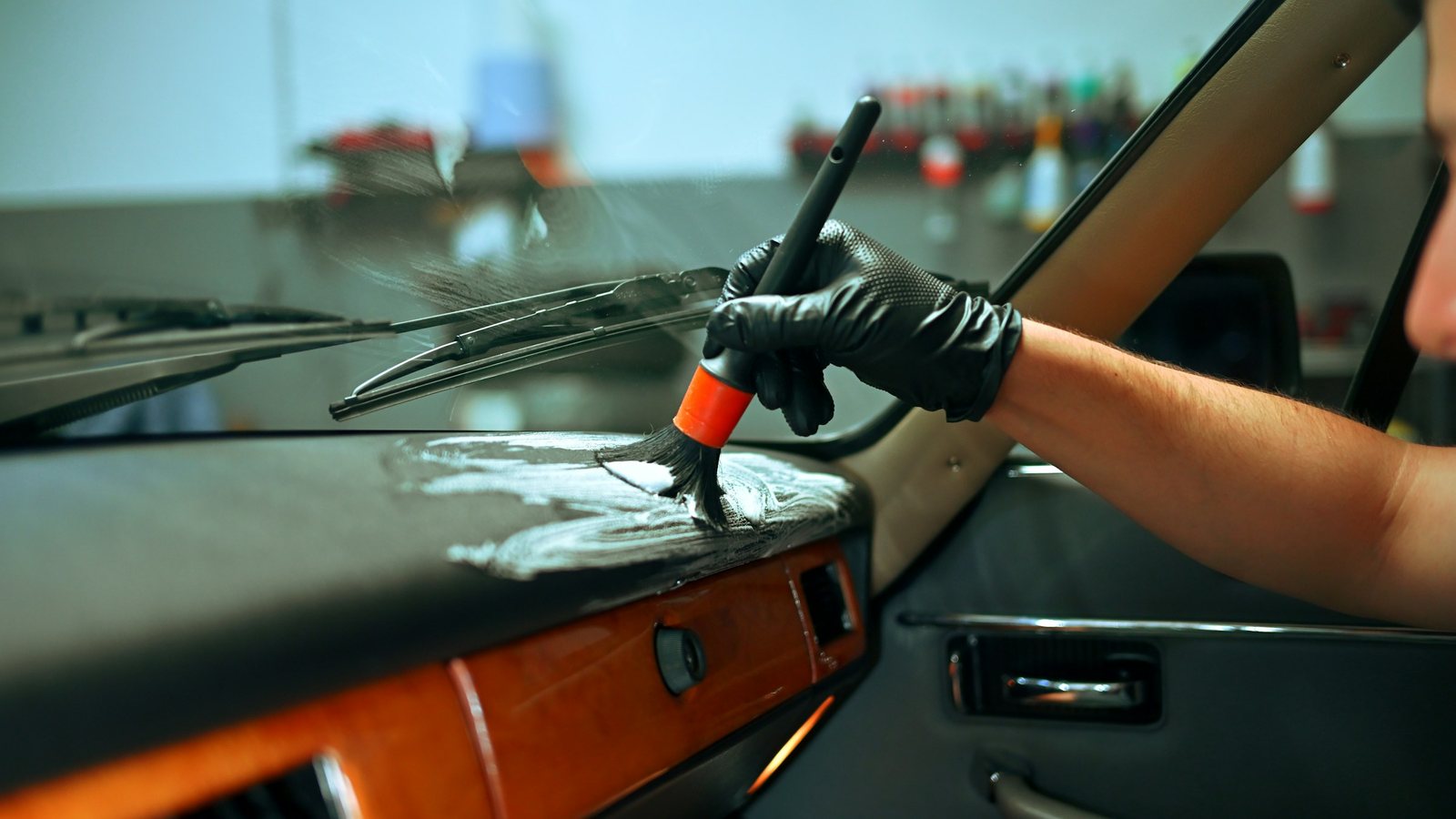
Interior Deep Cleaning
Shampoo, steam and odor removal for family cars, pet owners and used-car sellers. Pairs well with any wash service.
Fleet and Dealer Accounts
Regular cleaning for company vans, rental cars and dealer lots. Fewer clients, steady routes and recurring invoices.
Maintenance Plans
Sell a monthly or every-other-week wash plan after a first full detail. Recurring visits smooth out cash flow.
Boats, RVs and Motorcycles
Specialty detailing for larger or delicate vehicles. Fewer competitors and longer jobs, but seasonal in many places.
Side Hustle or Full Business?
Start as a Side Hustle
- Weekend washes and interiors fit around a day job.
- Startup needs: a vehicle, a pressure washer, a vacuum, supplies and insurance.
- Neighbors, coworkers and local groups bring the first clients.
- Good test: can you book 6 to 10 cars a week by referral?
Grow Into a Full Business
- Coatings, paint correction and fleet accounts support a full-time van and a helper.
- Expect more equipment, a water tank and capture mat, and higher insurance.
- Hire when you are booked out two weeks ahead for a month.
- Maintenance plans and fleet routes keep the calendar full in slow seasons.
Inksight’s Scorecard for a Mobile Detailing Business
Basic washes and interiors need modest gear and can begin quickly.
Most clients want weekend or after-work service.
Cars are older than ever, and owners want them to last and look good.
Strong for coatings and fleets; modest for basic washes alone.
Growth means more vans and trained, careful staff.
This scorecard is Inksight’s opinion based on the data above. It is not a guarantee of results.
Getting StartedHow to Start a Mobile Detailing Business
- Pick your servicesStart with a clear menu, such as an exterior wash, an interior detail and a full detail, before you add coatings.
- Learn the craftPractice on your own and friends’ cars. Take a course before you put a polisher on a client’s paint.
- Check local rulesGet a business license, and ask your city about mobile service and wash water rules. Many places do not allow wash water in storm drains.
- Get insuredGeneral liability plus garage keepers or care, custody and control coverage protects you when a client’s car is in your hands.
- Set up your rigChoose water and power sources, a capture mat or water reclaim where needed, and safe storage for chemicals.
- Price by the jobCheck what local detailers charge, then price by vehicle size and condition. Offer a maintenance plan after every full detail.
- Show your workPost before and after photos, ask every happy client for a review, and partner with local dealers, body shops and offices.
Know Before You StartThe Hard Parts
- Weather sets your schedule. Rain, heat and cold cancel jobs. A covered option or flexible rebooking policy helps.
- Water rules matter. The EPA notes that storm drains lead straight to local waterways, not treatment plants. Capture wash water where required.
- Mistakes are expensive. Burned paint or a damaged interior can cost more than the job. Train first and carry the right insurance.
- The work is physical. Kneeling, bending and carrying gear all day is tiring. Price your time so you are not overbooked.
None of these are reasons to skip the idea. They are why careful, reliable detailers keep clients for years. Start with a short menu, do it very well, and let photos and reviews sell the next job.
Key Takeaways
- There were 289 million light vehicles on U.S. roads in 2025, averaging a record 12.8 years old (S&P Global Mobility).
- Passenger cars averaged 14.5 years, so many owners are keeping cars longer and caring for them more.
- BLS projects 4% job growth for vehicle cleaners from 2025 to 2035, versus 3.5% for all jobs.
- Start with weekend washes and interiors; grow into coatings, fleets and maintenance plans.
- Insurance, training and wash water rules protect your clients and your business.
QuestionsFrequently Asked Questions
Is a mobile detailing business profitable?
It can be. Demand is supported by 289 million U.S. vehicles averaging a record 12.8 years old in 2025 (S&P Global Mobility). Costs are lower than a fixed shop, but profit depends on your prices, your time per car and services like coatings that earn more per job.
Can I start a mobile detailing business as a side hustle?
Yes. Many clients want weekend or after-work service, and basic washes and interiors need modest equipment. Start with friends, neighbors and coworkers, then grow through reviews.
Do I need a license to start a mobile detailing business?
Most places require a general business license, and some cities have rules for mobile services and wash water. The EPA warns that wash water in storm drains reaches local waterways. Check city, county and state rules and see the SBA’s licenses and permits guide.
What insurance does a mobile detailer need?
General liability is a start. Because you work on clients’ cars, ask an agent about garage keepers or care, custody and control coverage, plus commercial auto for your work vehicle.
How much do vehicle cleaners earn?
The BLS reports a median wage of $35,830 a year for cleaners of vehicles and equipment (May 2025). Owners can earn more, or less, depending on prices, services and hours.
Sources
- S&P Global Mobility: U.S. vehicle age rises again to 12.8 years in 2025 (May 21, 2025)
- S&P Global Mobility: Average age of vehicles 12.6 years in 2024 (May 22, 2024)
- S&P Global Mobility: Average age of light vehicles hits record 12.5 years (May 15, 2023)
- S&P Global: Aftermarket insights at AAPEX, SEMA, average age 12.2 years (Oct. 28, 2022)
- International Carwash Association: Industry information (2020 location counts)
- BLS Occupational Outlook Handbook: Hand laborers and material movers (includes cleaners of vehicles and equipment)
- BLS: Employment Projections 2025-35 (Aug. 27, 2026)
- EPA: Stormwater best practice, vehicle maintenance and washing (Feb. 2023)
- SBA: Apply for licenses and permits