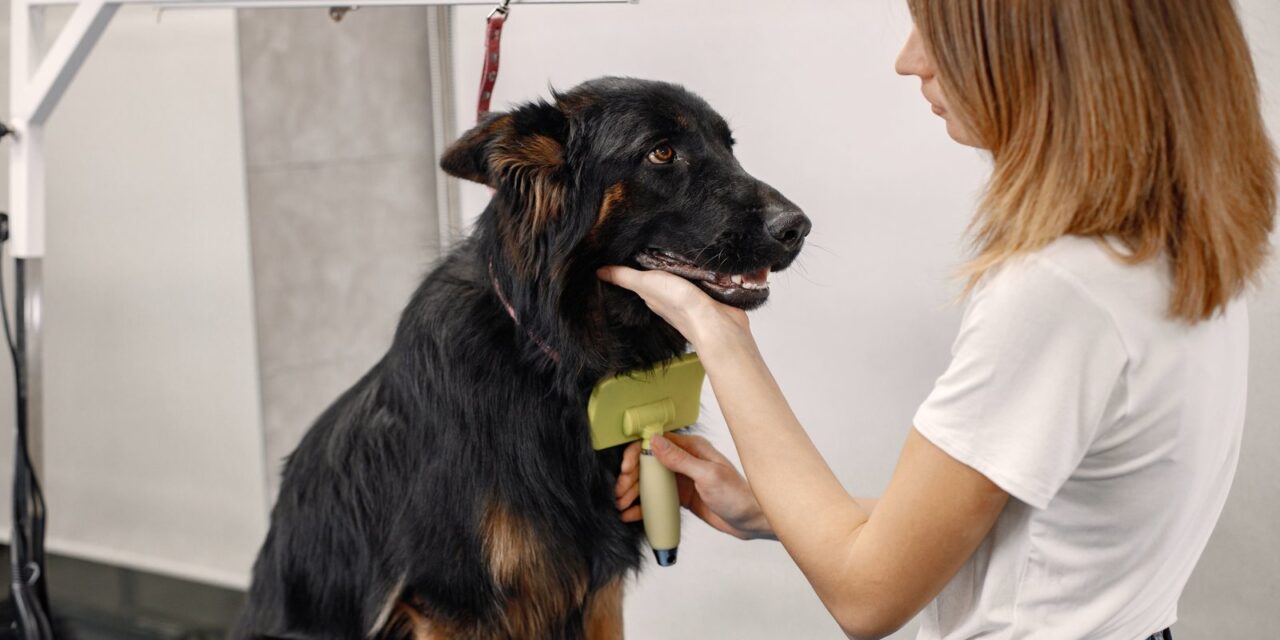
Trending Business Ideas · Pet Care
Americans spent $158 billion on their pets in 2025, and the fastest-growing slice was services. A pet care business is one of the few ideas that works as a weekend side hustle and grows into a full company with a van, a shop or a team.
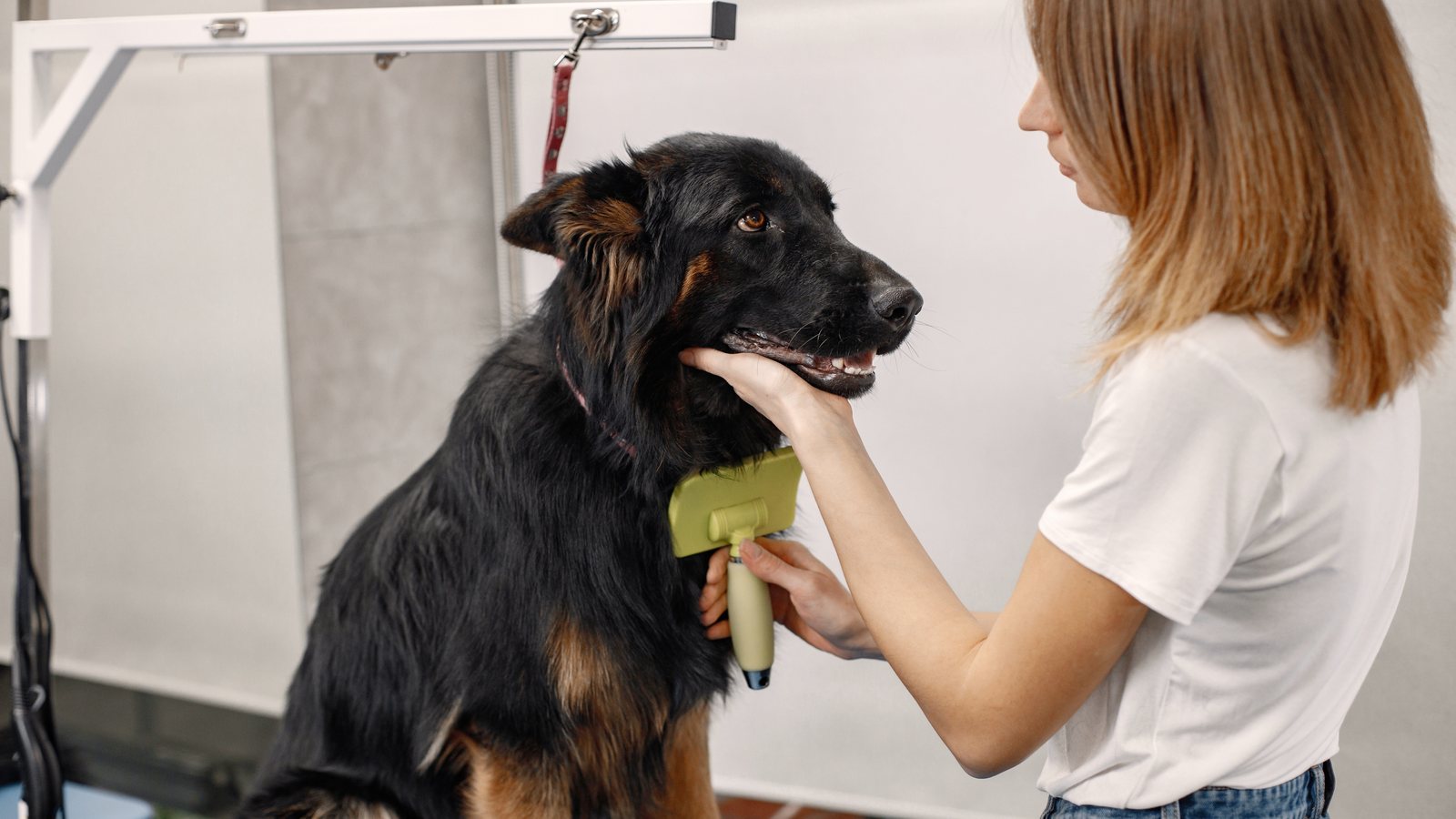
A groomer at work. Grooming is one of the best-paying pet care services. Photo: prostooleh on Magnific.
The MarketPets Are a $158 Billion Habit
The American Pet Products Association (APPA) says U.S. pet spending reached $158 billion in 2025, up 3.7% from the year before, and it expects about $165 billion in 2026. About 95 million households own at least one pet. Dog households grew to 71 million, or 53% of all U.S. households, and cat households reached 53 million.
Most of that money goes to food and vet care, which belong to big brands and licensed veterinarians. The part a new owner can win is services: grooming, boarding, daycare, training, pet sitting and dog walking. That bucket reached $14.3 billion in 2025 and grew about 8%, the fastest of any category.
Where U.S. Pet Spending Went in 2025
- Food and treats$68.3B
- Vet care and products$41B
- Supplies, live animals and medicine$34.4B
- Services: grooming, boarding, sitting and more$14.3B
Source: APPA 2026 State of the Industry report, as reported by GlobalPETS (April 2026). Services is APPA’s “other services” category.
Total U.S. Pet Spending, in Billions
Source: APPA. 2024 is worked out from APPA’s 2025 total and its 3.7% growth rate. *2026 is APPA’s projection.
Services were the fastest-growing part of pet spending in 2025.
Up about 8%, to $14.3 billion (APPA)
Why NowBusy Owners Pay for Time
More pets live in homes where everyone works, travels or commutes, and owners treat pets like family. That turns everyday chores into paid services: a midday walk, a weekend of cat visits, a bath and nail trim, a week of boarding during a vacation. These are local services that cannot be shipped from a warehouse, which keeps big online retailers out of the way.
The job data points the same way. The U.S. Bureau of Labor Statistics (BLS) projects jobs for animal care and service workers to grow 11% from 2025 to 2035, about three times the 3.5% pace for all jobs. Animal caretakers, the group that includes groomers, kennel staff and pet sitters, are projected to grow 12%.

The IdeasSix Ways to Make Money in Pet Care
Each of these can start small. The tags show whether it fits best as a side hustle, a full business, or both.

Dog Walking and Pet Sitting
The lowest-cost start: walks, drop-in visits and overnight stays. Begin on apps like Rover or Wag, then move loyal clients to your own booking page to keep more of each fee.

Grooming Salon or Mobile Van
Baths, haircuts and nail trims bring repeat visits every 4 to 8 weeks. A mobile van takes the shop to the client and can charge more for the convenience.

Boarding and Dog Daycare
A facility with play areas and staff. It needs zoning approval, a kennel or animal care permit in many places, and steady staffing, but daily rates add up.

Dog Training
Group classes, private lessons and behavior work. Certification, such as through the Certification Council for Professional Dog Trainers, helps you charge more.

Pet Waste Removal
Weekly yard cleanup on a route. Little equipment, recurring monthly billing and almost no competition in many neighborhoods.

Treats and Pet Products
Baked treats, toys or accessories sold online and at markets. Treats count as pet food, so FDA rules and state registration apply.
Side Hustle or Full Business?
Start as a Side Hustle
- Dog walking, drop-in visits and pet sitting fit evenings and weekends.
- Startup needs are small: insurance, a booking app, leashes and supplies.
- Apps bring your first clients; reviews bring the rest.
- Good test: can you fill 10 to 15 visits a week?
Grow Into a Full Business
- Grooming, boarding, daycare and training support a shop, a van or a team.
- Expect licenses, permits, more insurance and equipment costs.
- Hire when you turn away work for a month in a row.
- Recurring plans (weekly walks, monthly grooming) smooth out cash flow.
Inksight’s Scorecard for a Pet Care Business
Walking and sitting can begin this month with little money.
Most visits happen mornings, evenings and weekends.
Services grew about 8% in 2025, faster than any other pet category.
Strong for grooming, boarding and training; modest for walking alone.
Growth means hiring trusted staff, which takes care and insurance.
This scorecard is Inksight’s opinion based on the data above. It is not a guarantee of results.
Getting StartedHow to Start a Pet Care Business
- Pick one service and one areaStart with the service you can do well right away, such as dog walking or cat visits, in a few nearby neighborhoods.
- Check local rulesGet a business license, and ask your city or county about home business rules. Boarding, daycare and kennels often need a separate permit and zoning approval.
- Get insured and bondedPet care insurance covers injuries to pets and damage in a client’s home. A bond reassures clients who give you a key.
- Set your pricesCheck what local walkers, sitters and groomers charge, then price by the visit or by the package. Offer weekly plans that renew automatically.
- Make booking easyUse an app or a simple booking page with online payment, a client and pet profile form, and a signed service agreement.
- Earn reviews earlySend photo updates after every visit and ask happy clients for a review. Local reviews are how pet owners choose who to trust.
- Add services, then peopleAdd nail trims, baths or training when clients ask. Hire your first helper when you have turned away work for a month.
Know Before You StartThe Hard Parts
- Trust is the product. Clients hand you their keys and their pets. Background checks, insurance and clear contracts matter.
- Work is physical. Walking, lifting and grooming dogs all day is tiring, and weather does not cancel walks.
- Holidays are busy. Your best weeks are when everyone else travels. Plan your own time off in slow months.
- Skills raise prices. Grooming and training take practice or courses, but they earn more than walking.
None of these are reasons to skip the idea. They are why good pet care businesses keep clients for years: once an owner trusts you, they rarely switch. Start with one service, do it very well, and let your reviews do the selling.
Key Takeaways
- U.S. pet spending reached $158 billion in 2025 and is projected at about $165 billion in 2026 (APPA).
- Services such as grooming, boarding and sitting reached $14.3 billion, the fastest-growing category at about 8%.
- BLS projects 12% job growth for animal caretakers from 2025 to 2035, versus 3.5% for all jobs.
- Start with walking or sitting as a side hustle; grow into grooming, boarding or training as a full business.
- Insurance, a bond, clear contracts and reviews are what win clients’ trust.
QuestionsFrequently Asked Questions
Is a pet care business profitable?
It can be. Pet services were the fastest-growing part of U.S. pet spending in 2025, up about 8% to $14.3 billion (APPA). Walking and sitting have low costs but limited prices; grooming, boarding and training earn more per client but cost more to start.
Can I start a pet care business as a side hustle?
Yes. Dog walking, drop-in visits and pet sitting fit mornings, evenings and weekends, and apps like Rover and Wag can bring your first clients while you build your own list.
Do I need a license to start a pet care business?
Most places require a general business license. Boarding, daycare and kennels often need a separate animal care or kennel permit and zoning approval. Check with your city, county and state, and see the SBA’s licenses and permits guide.
Which pet care business makes the most money?
Grooming, boarding and daycare usually bring the most revenue per client because they need skill, space or equipment. Walking and sitting are cheaper to start but limited by the hours in your day unless you hire.
How much do pet care workers earn?
The BLS reports a median wage of $35,360 a year for animal caretakers and $39,990 for animal trainers (May 2025). Owners can earn more, or less, depending on prices, hours and costs.
Sources
- APPA: U.S. pet industry reaches $158 billion in 2025 (March 26, 2026)
- GlobalPETS: $158B U.S. pet industry, 2025 spending by category (April 23, 2026)
- APPA: Industry trends and stats
- BLS Occupational Outlook Handbook: Animal care and service workers
- BLS: Employment Projections 2025-35 (Aug. 27, 2026)
- SBA: Apply for licenses and permits
- Certification Council for Professional Dog Trainers
- FDA: Pet food (treats are regulated as pet food)