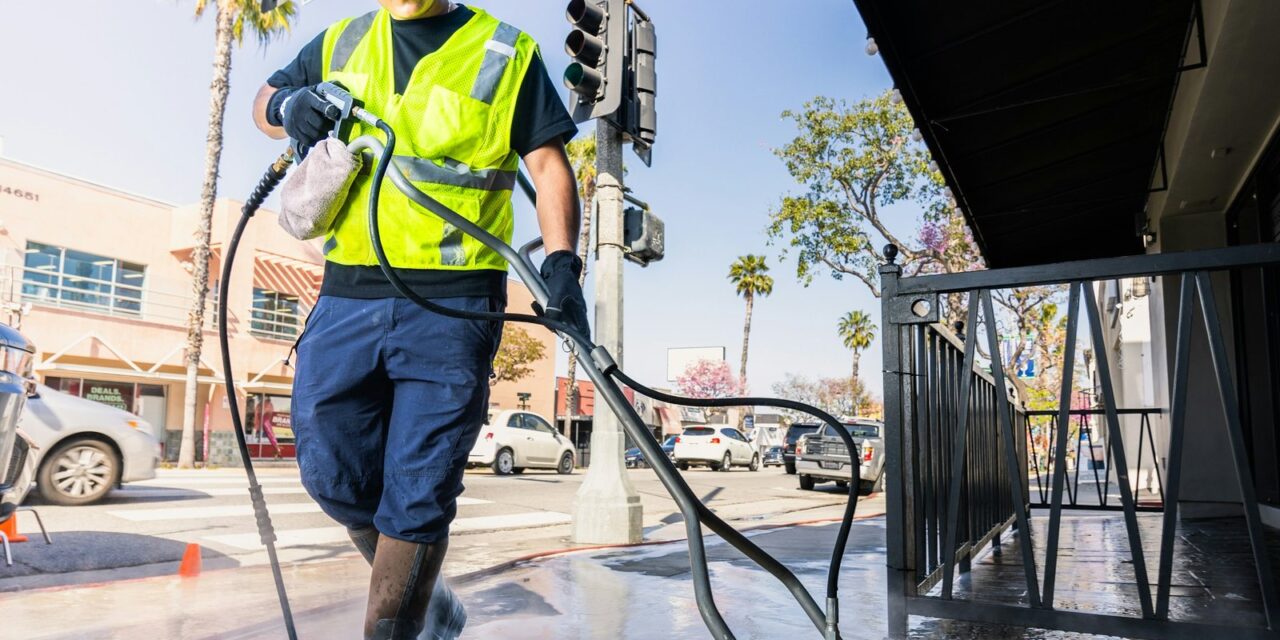
Trending Business Ideas · Pressure Washing and Exterior Cleaning
The typical owner-occupied American home was 42 years old in 2024, and older siding, decks and driveways show every year of dirt. A pressure washing business cleans them on a schedule, and it can start with one machine, a trailer and a free weekend.
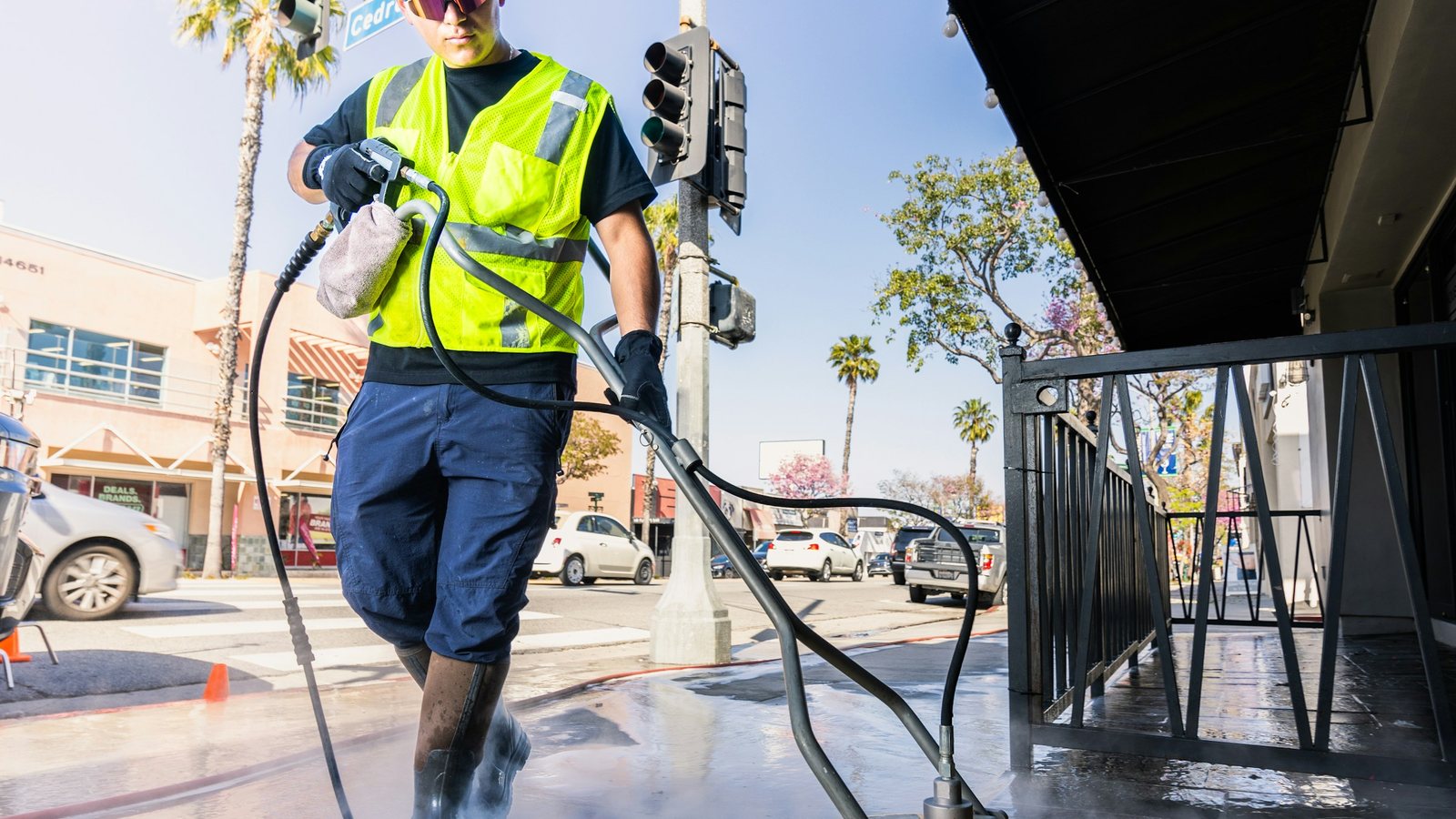
A clean stripe on a dirty driveway sells the job on the spot. Photo: The Graphic Space on Unsplash.
The MarketAn Aging Housing Stock Needs Cleaning
The Census Bureau counted about 149.8 million housing units in the third quarter of 2026, and 87.7 million of them were owner-occupied. Those owners are the core clients for exterior cleaning: siding, driveways, decks, fences, patios, gutters and roofs. Renters rarely pay for it; landlords and property managers do.
The homes are getting older. The National Association of Home Builders (NAHB), using Census American Community Survey data, reports that the median owner-occupied home was 42 years old in 2024, up from 31 in 2005. About 47% were built before 1980, and only 4% were built from 2020 to 2024. Older surfaces collect mildew, algae and stains, and owners clean them to protect paint and wood, get ready to sell, or simply keep the house looking cared for.
Median Age of Owner-Occupied U.S. Homes, in Years
Source: NAHB Eye on Housing, from Census American Community Survey data (posts from Dec. 2024, April 2025 and March 2026). Years are not evenly spaced.
Owner-Occupied Homes by Year Built, 2024
- Before 198047%
- 1980 to 199925%
- 2000 to 200915%
- 2010 to 202413%
Source: NAHB Eye on Housing (March 24, 2026), 2024 American Community Survey. 1980 to 1999 is worked out from the other shares.
Almost half of owner-occupied homes were built before 1980.
NAHB, from 2024 Census data
Why NowLow Startup Costs Meet Recurring Needs
Exterior cleaning is a repeat purchase. Mildew and pollen come back every year, and commercial properties need sidewalks, dumpster pads and drive-throughs cleaned on a schedule. Owners are also spending on their homes: NAHB forecast a 3% gain in remodeling activity in 2026, and cleaning is often the first step before painting, sealing or selling.
The BLS does not track pressure washers as a separate job, but nearby outdoor and cleaning trades show steady demand. It projects grounds maintenance jobs to grow 5% from 2025 to 2035, faster than the 3.5% for all jobs, and 20% of those workers are self-employed, a sign of how many run their own small outfits.
The IdeasSix Ways to Make Money in Exterior Cleaning
Each can start small. The tags show whether it fits best as a side hustle, a full business, or both.
Driveways, Patios and Decks
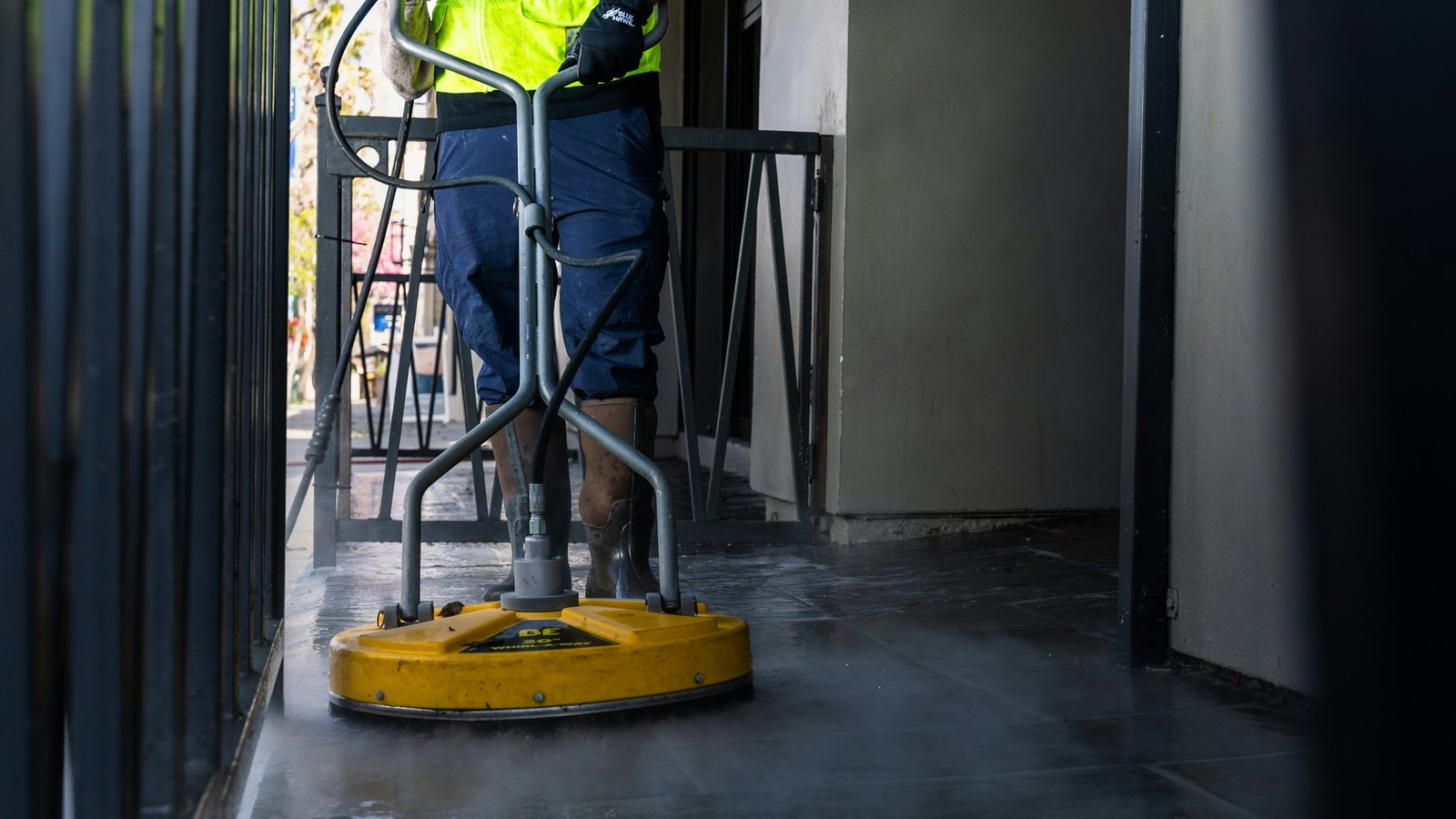
Flat concrete and wood are the easiest jobs to learn. A surface cleaner gives even results, and before and after photos sell the next job.
House and Roof Soft Washing
Low pressure plus cleaning solution removes mildew and algae from siding and roofs without damage. It takes training and more equipment.
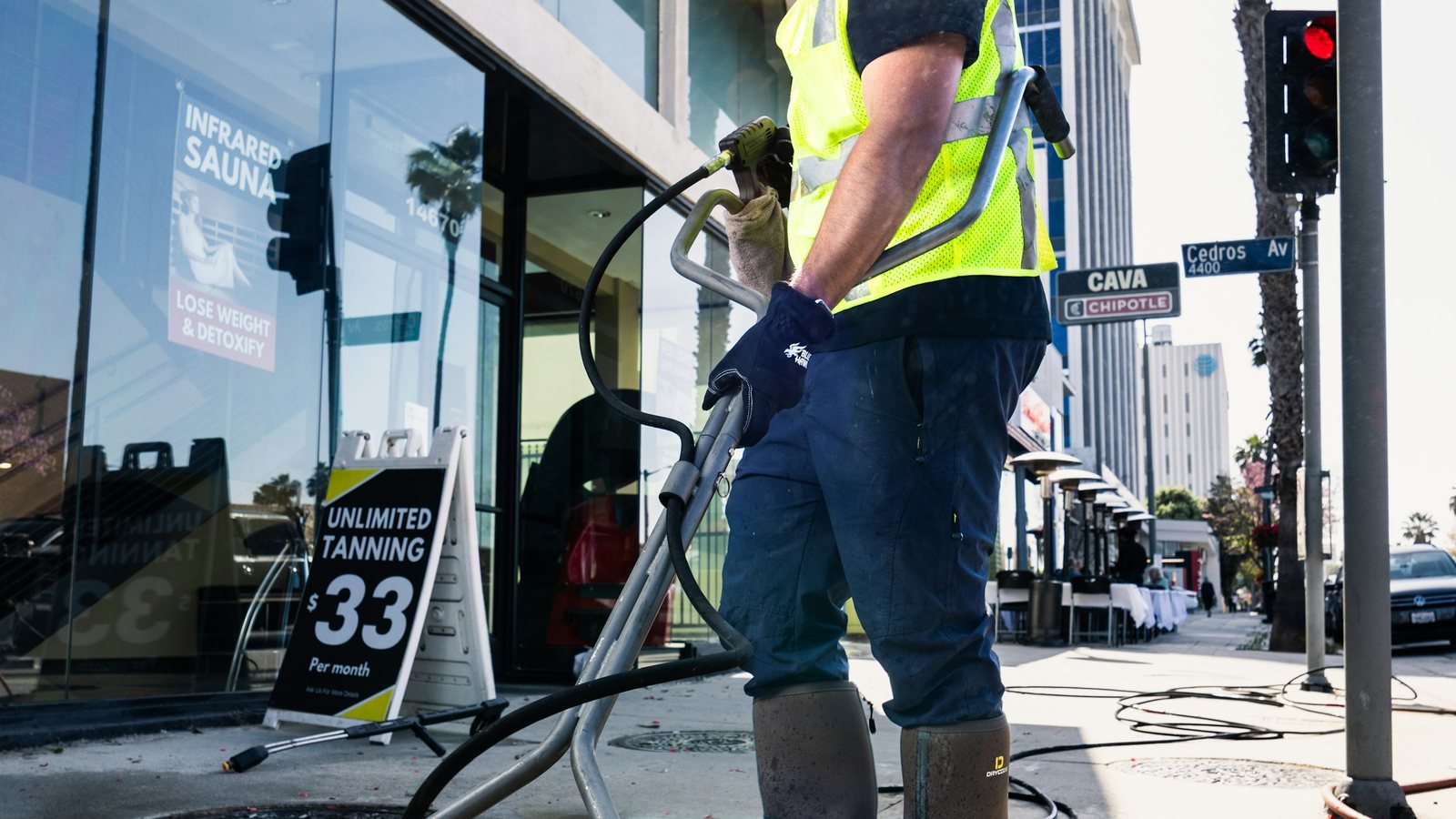
Commercial Routes
Storefronts, restaurant pads, drive-throughs and parking garages on a weekly or monthly schedule. Steady invoices, often at night.
Gutters and Windows
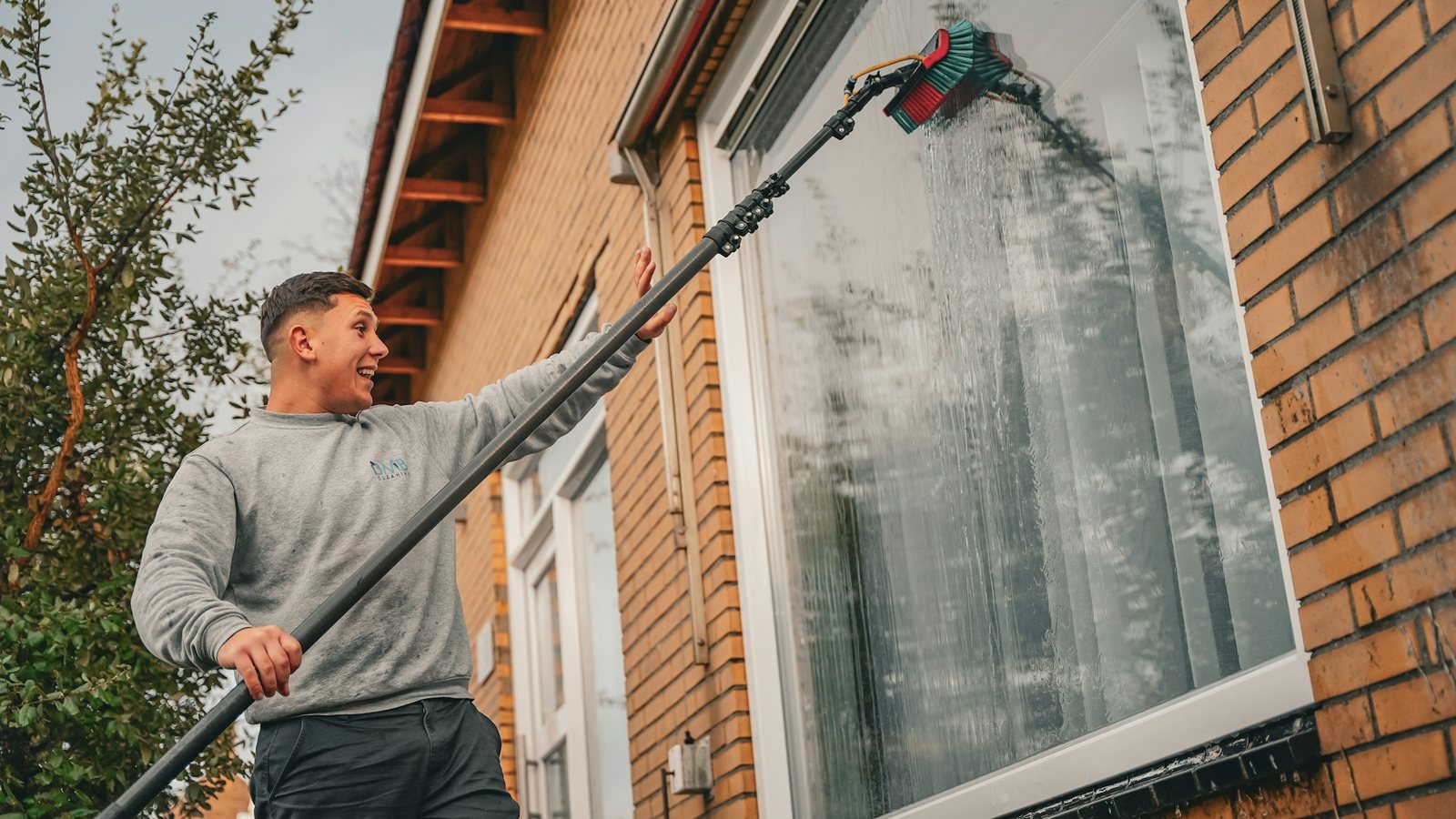
Natural add-ons for house washing clients. Bundles raise the average ticket without a new client.
Fence and Deck Restoration
Clean, brighten and seal wood. Sealing pays more than washing alone and brings the client back every few years.
Real Estate and Property Managers
Pre-listing cleanups and move-out work for agents, landlords and HOAs. One manager can send dozens of jobs a year.
Side Hustle or Full Business?
Start as a Side Hustle
- Driveways, patios and decks fit evenings and weekends in warm months.
- Startup needs: a pressure washer, surface cleaner, hoses, safety gear and insurance.
- Neighborhood groups, door hangers and photos bring the first clients.
- Good test: can you book 5 to 8 jobs a week in your season?
Grow Into a Full Business
- Soft washing, roofs and commercial routes support a trailer rig and a crew.
- Expect water tanks, wash water capture gear and higher insurance.
- Hire when you are booked out three weeks ahead.
- Annual plans and commercial contracts carry you through the slow season.
Inksight’s Scorecard for a Pressure Washing Business
Basic flatwork needs modest gear, but safe technique takes practice.
Weekends work well in season; winter is slow in cold climates.
Homes keep getting older, and dirt comes back every year.
Soft washing, roofs and commercial routes earn strong tickets.
Crews, trailers and routes scale well once you have systems.
This scorecard is Inksight’s opinion based on the data above. It is not a guarantee of results.
Getting StartedHow to Start a Pressure Washing Business
- Start with flatworkLearn on driveways, sidewalks and patios before siding or roofs, where too much pressure can cause damage.
- Learn soft washing safelyTake a course on low-pressure cleaning, chemical mixing, plant protection and ladder safety before you wash houses.
- Check local rulesGet a business license and ask your city about wash water. Many places require you to block storm drains and capture runoff.
- Get insuredGeneral liability covers damage to property. Add commercial auto for your truck and workers’ compensation when you hire.
- Buy the right gearChoose a machine sized for your work, a surface cleaner, a water tank if needed, and capture equipment where rules require it.
- Price by the jobCheck local prices, then quote by square footage or by house size. Offer bundles and annual plans.
- Market with photosBefore and after photos, door hangers in neighborhoods you already serve, and reviews bring most new clients.
Know Before You StartThe Hard Parts
- Damage is easy. Too much pressure can etch concrete, strip paint, break seals and force water behind siding. Technique matters.
- Water rules are real. The EPA notes that storm drains carry water straight to local waterways. Block drains and capture runoff where required.
- It is seasonal. Spring and summer are busy; winter is slow in cold places. Commercial contracts help even it out.
- Safety first. Ladders, roofs, chemicals and high-pressure spray can injure you or others. Train and use protective gear.
None of these are reasons to skip the idea. They are why trained, insured operators keep clients for years and win commercial contracts. Start with flatwork, learn to do it safely, and let clean stripes and good reviews do the selling.
Key Takeaways
- The U.S. had 87.7 million owner-occupied homes in the third quarter of 2026 (Census).
- The median owner-occupied home was 42 years old in 2024, up from 31 in 2005, and 47% were built before 1980 (NAHB).
- BLS projects 5% job growth for grounds maintenance workers from 2025 to 2035, and 20% are self-employed.
- Start with driveways and decks as a side hustle; grow into soft washing, roofs and commercial routes.
- Wash water rules, insurance and safe technique protect your clients and your business.
QuestionsFrequently Asked Questions
Is a pressure washing business profitable?
It can be. Equipment costs are modest compared with many trades, and the work repeats every year. The U.S. has 87.7 million owner-occupied homes (Census, Q3 2026) with a median age of 42 years (NAHB, 2024). Profit depends on pricing, travel time and adding services like soft washing and sealing.
Can I start a pressure washing business as a side hustle?
Yes. Driveways, patios and decks can be done on weekends during the warm months. Many owners start part time and move to full time once commercial routes or annual plans fill the week.
Do I need a license to start a pressure washing business?
Most places require a general business license, and many cities have wash water rules that require you to block storm drains and capture runoff. Check your city, county and state rules, and see the SBA’s licenses and permits guide.
What is the difference between pressure washing and soft washing?
Pressure washing uses high-pressure water for hard surfaces like concrete. Soft washing uses low pressure plus cleaning solution for siding and roofs, where high pressure can cause damage.
How much do workers in related trades earn?
The BLS reports a median wage of $40,080 a year for grounds maintenance workers and $36,840 for janitors and building cleaners (May 2025). Owners can earn more, or less, depending on prices and how busy they are.
Sources
- U.S. Census Bureau: Residential vacancies and homeownership, third quarter 2026 (Oct. 28, 2026)
- NAHB Eye on Housing: Almost half of owner-occupied homes built before 1980 (March 24, 2026)
- NAHB Eye on Housing: Almost half of owner-occupied homes built before 1980 (April 2025)
- NAHB Eye on Housing: The age of the U.S. housing stock (Dec. 2024)
- NAHB: Remodeling market poised for growth as the age of owner-occupied homes increases (May 1, 2025)
- BLS Occupational Outlook Handbook: Grounds maintenance workers
- BLS Occupational Outlook Handbook: Janitors and building cleaners
- BLS: Employment Projections 2025-35 (Aug. 27, 2026)
- EPA: Stormwater best practice, vehicle maintenance and washing (Feb. 2023)
- SBA: Apply for licenses and permits