Trending Business Ideas · Reselling and Thrift Flipping
Americans bought about $55.5 billion of secondhand clothing in 2025, and resale grew 19% while the clothing market grew 3.6%. A reselling business turns thrift store finds, closet cleanouts and estate sale lots into income, and it can start this weekend with a phone and a few good pieces.

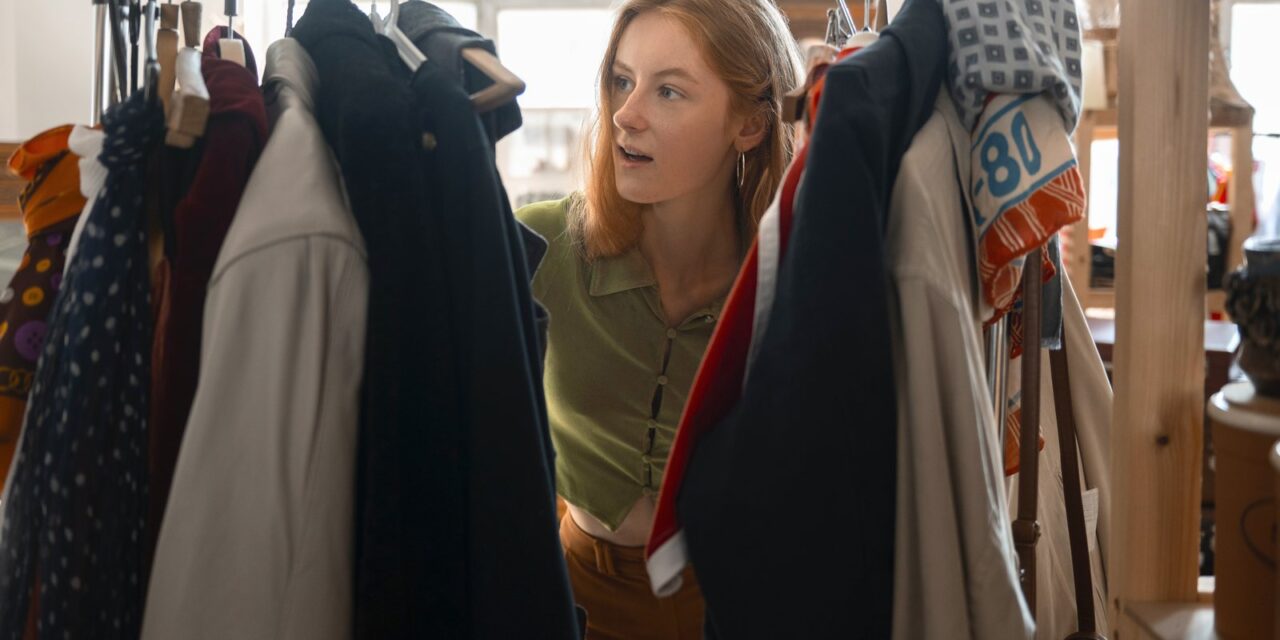
Sourcing is the real work in resale: the profit is made when you buy. Photo: Magnific.
The MarketSecondhand Clothing Is Taking Share From New
ThredUp’s 2026 Resale Report, built on market sizing by the research firm GlobalData, says the U.S. secondhand apparel market grew 13% in 2025, nearly four times faster than the broader retail clothing market (3.6%). GlobalData expects it to reach $78.8 billion by 2030, growing about 7.3% a year and adding $23.3 billion in sales, which puts the 2025 market at about $55.5 billion.
The fastest part is resale: clothing listed and sold again through resale platforms and shops, as opposed to traditional thrift and donation. U.S. resale grew 19% in 2025 to $29.7 billion and is projected to reach $48.3 billion by 2030, about 10% a year. That is the lane a reseller works in: buying underpriced pieces and selling them to the right buyer online.
U.S. Secondhand Apparel Sales in 2025
- Resale (platforms and resale shops)$29.7B
- Traditional thrift and donation$25.8B
Source: ThredUp 2026 Resale Report and GlobalData (April 2026). The $55.5B total is worked out from the $78.8B 2030 projection minus the $23.3B of growth GlobalData expects; thrift and donation is the total minus resale.
Global Secondhand Apparel Market, in Billions
Source: GlobalData 2026 market sizing in the ThredUp 2026 Resale Report. *2026 to 2030 are projections.
U.S. resale grew more than five times faster than the clothing market in 2025.
19% vs. 3.6% (ThredUp and GlobalData)
Why NowPrices Push Shoppers Toward Secondhand
ThredUp surveyed 3,268 U.S. adults in early 2026. Seventy-two percent said rising prices are directly affecting what they spend on clothing, and 27% said they will buy more secondhand to offset further price increases. Secondhand is also becoming a first stop: 46% browse resale before buying new, and nearly half of shoppers now discover secondhand finds through social media and creators rather than search.
Selling is going mainstream too. In the same survey, 57% of shoppers said they resell items for income, more than twice the share a year earlier. Big platforms are betting on it: Etsy agreed in early 2026 to sell its resale app Depop to eBay for $1.2 billion in cash, after Depop’s active sellers grew 41.1% in a year to 3.2 million at the end of 2025.
The IdeasSix Ways to Make Money Reselling
Every one of these starts with the same skill: knowing what sells and paying less than it is worth. The tags show whether each fits best as a side hustle, a full business, or both.
Online Clothing Flipping
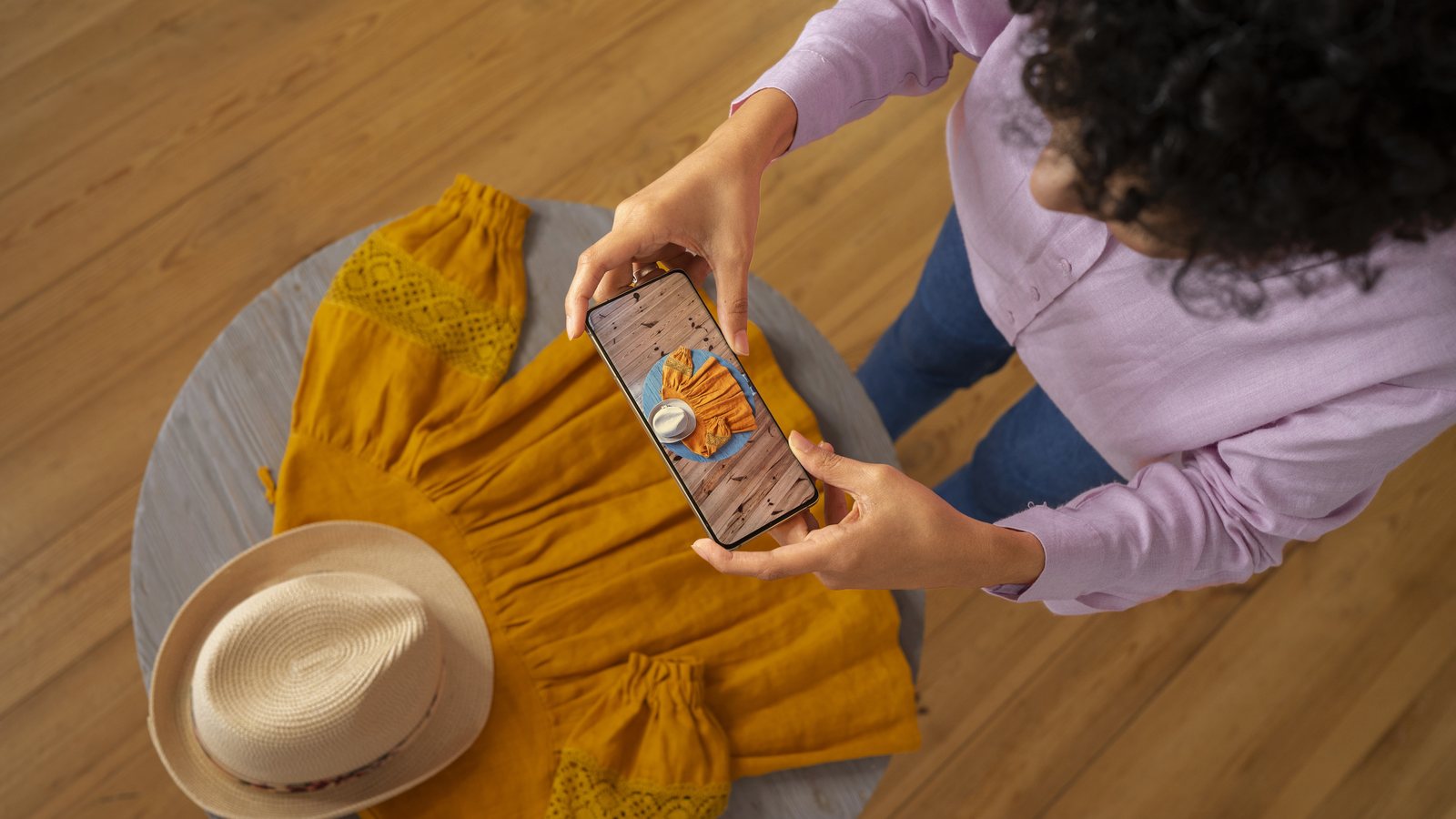
Buy brand-name clothing at thrift stores and sales, then list it on resale apps. Start with brands and sizes you know, and track what sells in days, not months.
Thrift and Estate Sale Sourcing
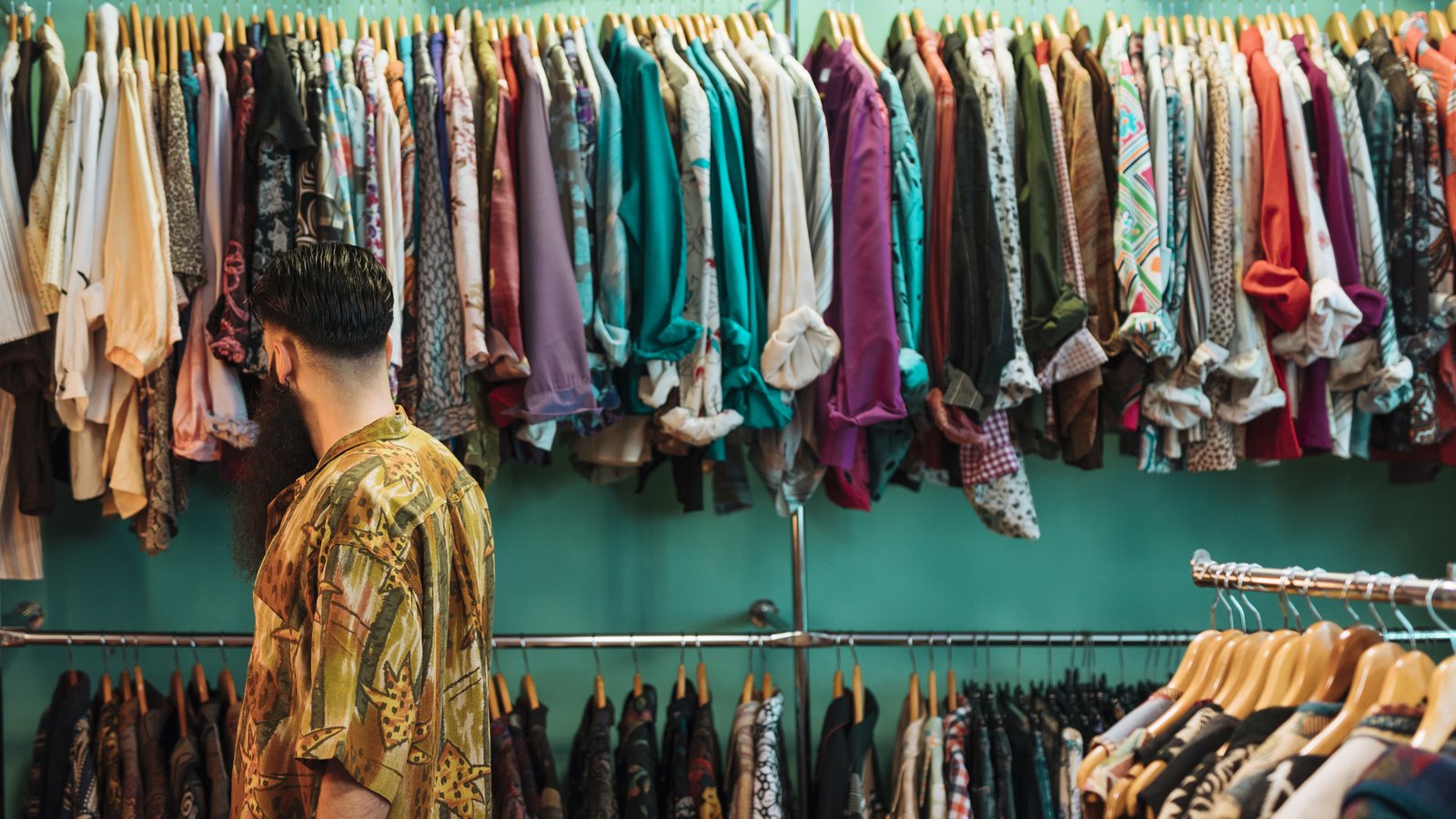
Weekly sourcing runs to thrift stores, estate sales and yard sales. Volume buyers learn which days stores restock and build relationships with estate sale companies.
Vintage Shop or Market Booth
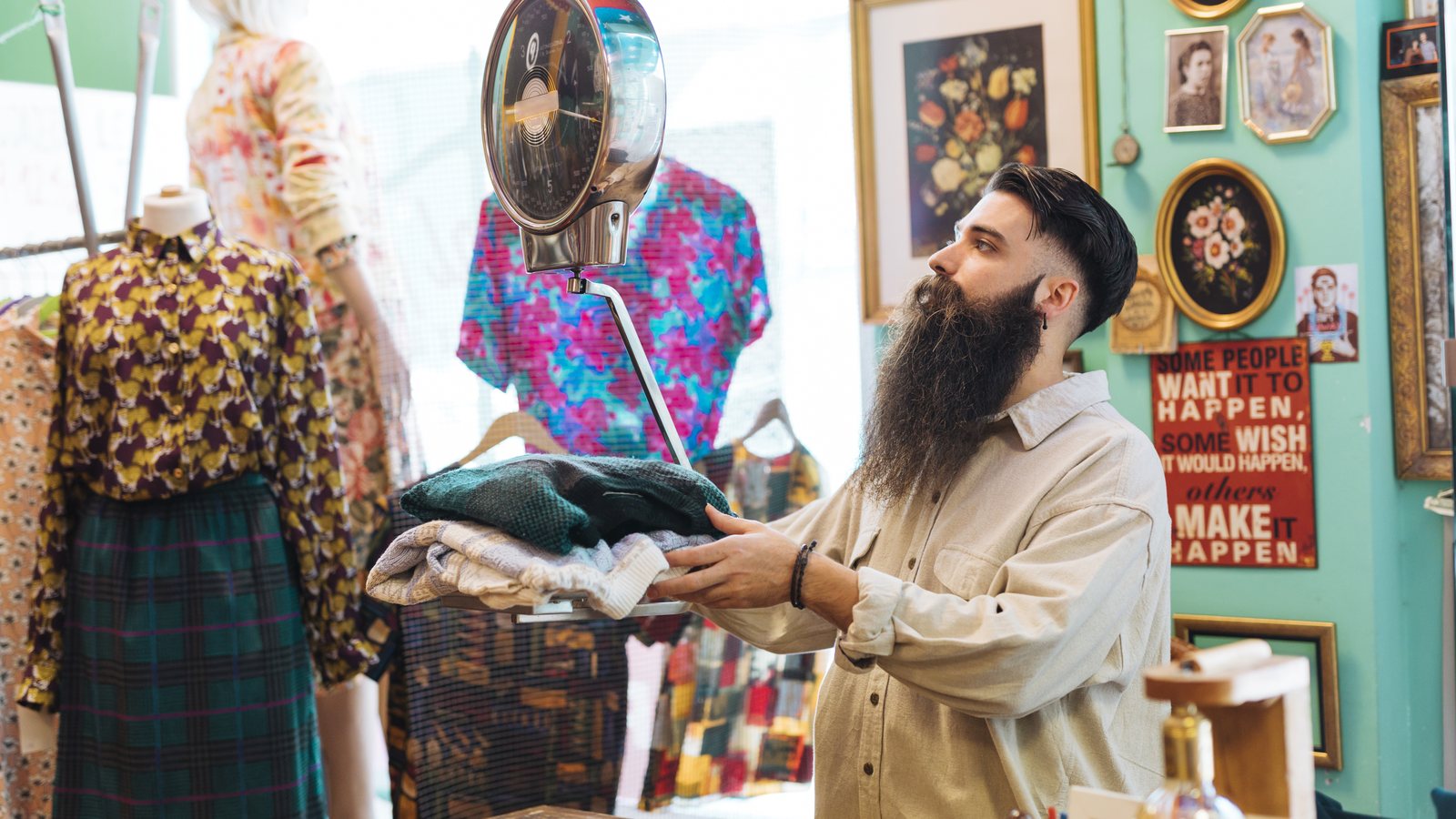
Curated vintage clothing sold in a small shop, a booth at an antique mall or a pop-up at markets. A strong look and a loyal local following matter more than size.
Consignment for Busy Sellers
Sell other people’s clothes for a share of the sale. Many people want the money but not the work of photographing, listing and shipping.
Niche Resale: Sneakers, Kids or Designer
Focus on one category where you can judge value fast, such as sneakers, children’s clothing or designer bags. Authentication skills build trust.
Bulk Lots and Bins
Buy clothing by the pound or by the pallet, sort it, list the best pieces and sell the rest in bundles. It needs storage space and a sorting system.
Side Hustle or Full Business?
Start as a Side Hustle
- Source on weekends, list in the evenings, ship twice a week.
- Startup needs are small: a phone, good light, a clothing rack and shipping supplies.
- Resale apps bring the buyers; your listings and ratings do the rest.
- Good test: can you list 20 items a week and sell most within a month?
Grow Into a Full Business
- A shop, booth or warehouse space adds sales channels and storage.
- Expect a seller’s permit, sales tax collection and bookkeeping.
- Hire help for photos and listing when sourcing becomes your bottleneck.
- Your own website and email list reduce what you pay in platform fees.
Inksight’s Scorecard for a Reselling Business
You can begin with clothes from your own closet.
Sourcing, listing and shipping all fit around a day job.
U.S. resale grew 19% in 2025 and is projected to grow about 10% a year to 2030.
Margins can be strong per item, but platform fees and unsold stock add up.
Growth needs storage, helpers and a steady supply of good inventory.
This scorecard is Inksight’s opinion based on the data above. It is not a guarantee of results.
Getting StartedHow to Start a Reselling Business
- Pick a niche you knowChoose clothing, brands or sizes you already understand. Knowing what a piece is worth at a glance is the whole edge.
- Study what actually sellsSearch sold listings on resale apps before you buy. Price from sold items, not from what other sellers are asking.
- Set up your sales channelsStart on one or two resale platforms. Learn their fees and shipping rules, and keep your photo style consistent.
- Register and track taxesGet a business license and, in most states, a seller’s permit. Keep receipts for what you pay, since resale income is taxable.
- Check recalls on kids’ itemsIt is illegal to sell recalled products, so check children’s items and gear against CPSC recalls before you list them.
- Build a sourcing routineVisit the same stores on restock days, and tell estate sale companies and friends that you buy closets and lots.
- Reinvest and measureTrack cost, sale price and days to sell for every item. Put profit back into the categories that sell fastest.
Know Before You StartThe Hard Parts
- Inventory can pile up. Clothes that do not sell tie up cash and space. Set a rule to bundle, discount or donate after a set number of weeks.
- Fees take a bite. Platform commissions, payment processing and shipping reduce every sale. Price with them in mind.
- Competition for supply is real. ThredUp calls supply, not demand, the main constraint as resale grows. Good sources are worth protecting.
- Taxes still apply. The IRS says you must report income whether or not a platform sends you a Form 1099-K.
None of these are reasons to skip the idea. They are why careful resellers do well: they buy with discipline, list fast and know their numbers. Start with one niche, learn what sells, and grow from there.
Key Takeaways
- U.S. secondhand apparel grew 13% in 2025 to about $55.5 billion and is projected to reach $78.8 billion by 2030 (GlobalData).
- U.S. resale grew 19% in 2025, more than five times the 3.6% growth of the clothing market.
- 59% of consumers shopped secondhand apparel in 2025, and 57% of shoppers say they resell items for income (ThredUp).
- Start as a side hustle with one niche; grow into a shop, booth or consignment business.
- Price from sold listings, check recalls on children’s items and report all sales income.
QuestionsFrequently Asked Questions
Is a reselling business profitable?
It can be. U.S. resale grew 19% in 2025 to $29.7 billion (ThredUp and GlobalData). Profit depends on buying well below resale value and keeping fees, shipping and unsold stock under control.
Can I start a reselling business as a side hustle?
Yes. Most resellers start part time: sourcing on weekends, listing in the evenings and shipping a few times a week. Your own closet is a free first batch of inventory.
Do I need a license to resell clothes?
Most places require a general business license, and most states require a seller’s permit to collect sales tax. Selling recalled products is illegal under federal law, so check children’s items with the CPSC. See the SBA’s licenses and permits guide.
Do resellers have to pay taxes on sales?
Yes. Payment apps and marketplaces send Form 1099-K when sales exceed $20,000 and 200 transactions, but the IRS says you must report income whether or not you receive one.
What sells best in resale?
It varies by platform and season. ThredUp’s 2026 report shows shoppers looking for value and for higher-end brands, so name brands, vintage and quality basics in good condition tend to move. Check sold listings before you buy.
Sources
- ThredUp 2026 Resale Report, with GlobalData market sizing (April 2, 2026)
- ThredUp: 14th annual Resale Report press release (April 2, 2026)
- Etsy, Inc.: Fourth quarter and full year 2025 results (Feb. 19, 2026)
- CPSC: Online Sellers’ Safety Guide
- IRS: Understanding your Form 1099-K (updated Nov. 13, 2026)
- SBA: Apply for licenses and permits
- BLS: Employment Projections 2025-35 (Aug. 27, 2026)