Trending Business Ideas · Junk Removal and Hauling
Americans throw out 12.1 million tons of furniture a year, plus millions of tons of appliances, mattresses and remodeling debris, and most of it has to be carried out by hand. A junk removal business starts with a pickup truck and a trailer on weekends and can grow into a fleet of trucks, a crew and steady work from landlords, real estate agents and contractors.
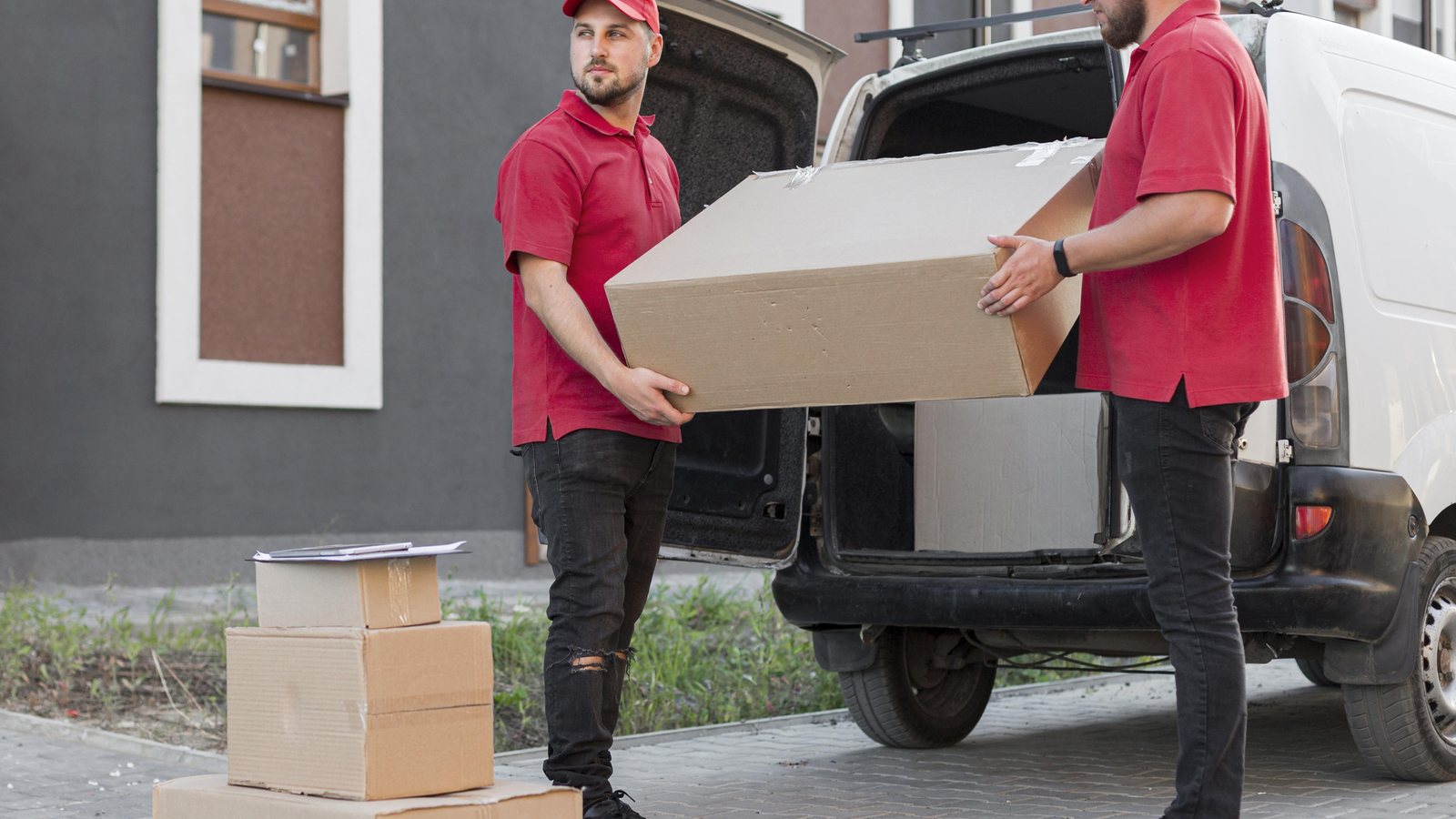
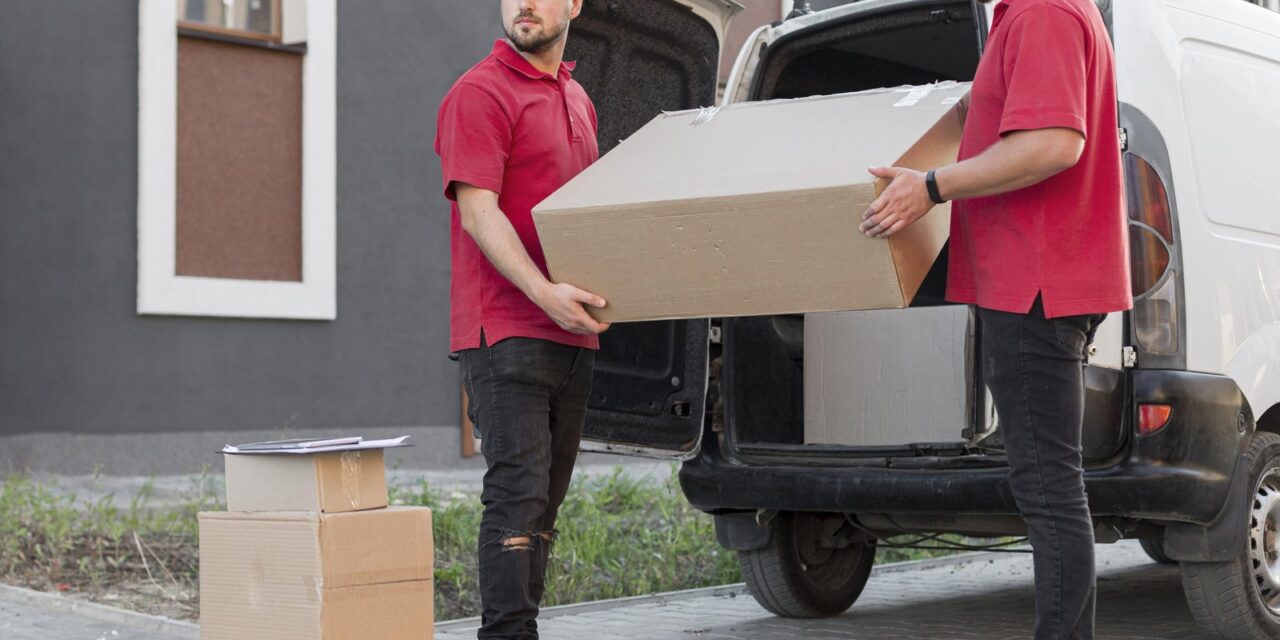
Most jobs are heavy items people cannot move on their own. Photo: Magnific.
The MarketAmerica Throws Out More Big Stuff Every Decade
The U.S. Environmental Protection Agency (EPA) tracks what Americans throw away. Its newest national figures, for 2018, show 292.4 million tons of municipal solid waste, or 4.9 pounds per person per day. Durable goods, the big and long-lasting items, made up 57.1 million tons. Furniture and furnishings alone came to 12.1 million tons, and EPA says 80.1% of it went to landfills, 19.5% was burned for energy, and very little was recycled.
Junk removal companies earn money in that gap between the curb and the landfill. Many cities will not pick up a couch, a broken treadmill or a garage full of boxes with the weekly trash. Owners pay someone to lift it, load it, sort out what can be donated or recycled, and dispose of the rest. Construction and demolition debris is an even bigger stream: EPA estimates 600 million tons in 2018, more than twice the amount of household and business trash.
Durable Goods Americans Discarded in 2018
- Furniture and furnishings12.1M tons
- Major appliances5.3M tons
- Carpets and rugs3.4M tons
- Other durable goods36.3M tons
Source: EPA durable goods product-specific data (2018, the latest national figures). Other durable goods, such as electronics, tires and small appliances, is the remainder, worked out by Inksight.
Furniture and Furnishings Discarded, in Millions of Tons
Source: EPA durable goods product-specific data. EPA’s national figures run through 2018; the page was last updated Dec. 19, 2025.
Discarded furniture grew about 78% from 1990 to 2018.
From 6.8 million to 12.1 million tons a year (EPA)
Why NowHeavy Lifting Is Hard to Do Yourself
Junk removal is a local, hands-on service that cannot be ordered online and shipped. People move, downsize, settle estates, renovate and clean out rentals every week of the year, and each of those moments creates a load. Appliances add a regulated step: EPA says the refrigerant in old fridges, freezers and window air conditioners must be recovered before final disposal, so haulers need a plan for those items.
The job data shows steady demand for the people who do this work. BLS projects jobs for light truck drivers to grow 6.3% from 2025 to 2035, faster than the 3.5% pace for all jobs. Refuse and recyclable material collectors are projected to grow 2.1%, and hand laborers and material movers 1.8%. Median wages in May 2025 ranged from $40,240 for hand laborers to $49,690 for refuse collectors.
The IdeasSix Ways to Make Money Hauling Junk
Each of these can start small. The tags show whether it fits best as a side hustle, a full business, or both.
Weekend Pickup and Trailer Hauling
Single-item pickups like a couch, a mattress or a hot tub, priced by the load. A truck, a trailer, straps and a dolly are enough to start.
Cleanouts
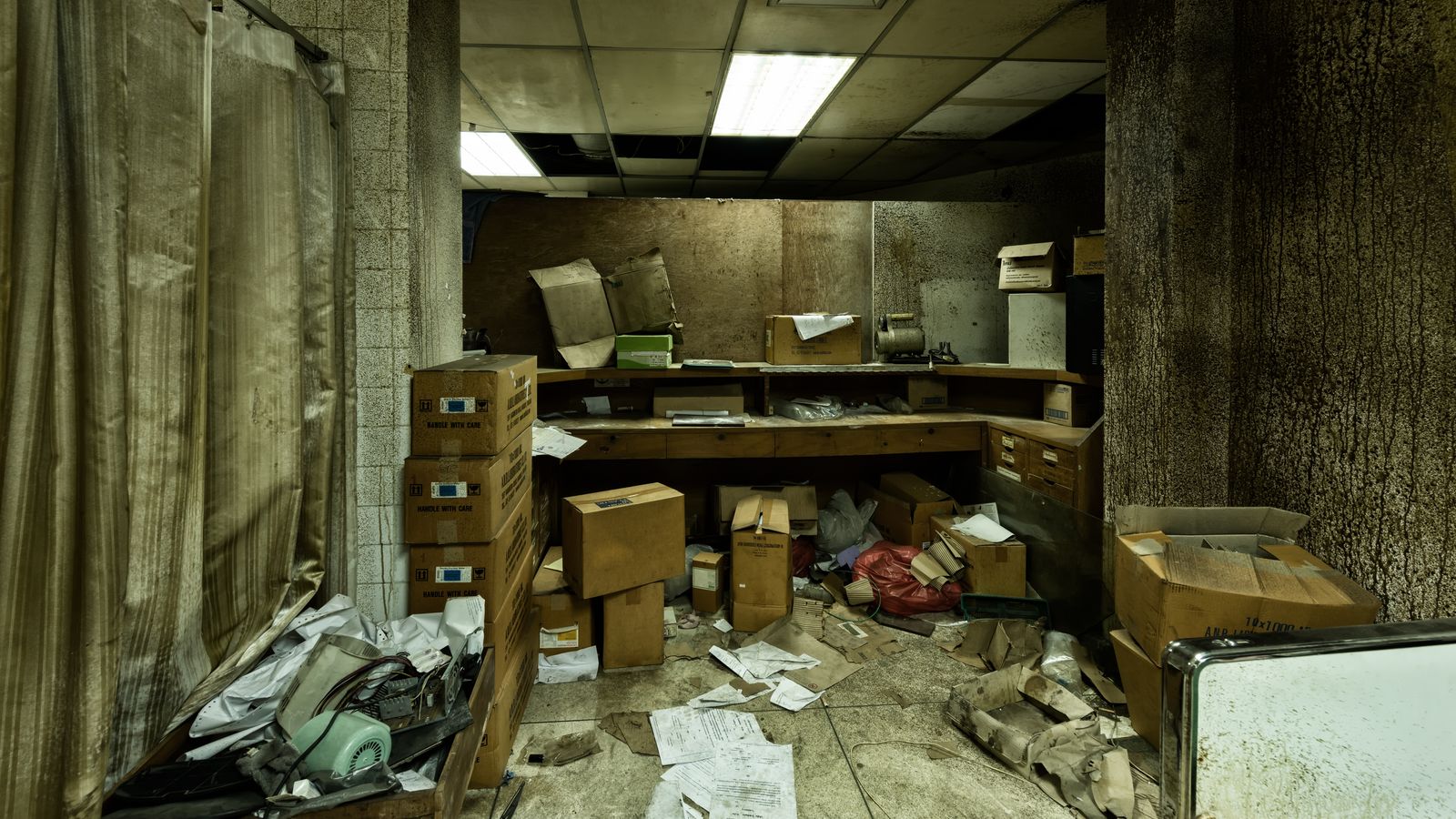
Garages, basements, storage units, estates and rental turnovers. Bigger jobs pay more and often lead to repeat work from landlords and real estate agents.
Construction and Remodel Debris
Haul drywall, wood, flooring and fixtures for contractors and homeowners. It needs a larger truck or dump trailer and knowledge of local disposal rules.
Appliance and Electronics Removal
Pick up old appliances and electronics for recycling. Refrigerant must be recovered from fridges and AC units before disposal, under EPA rules.
Donation and Resale Runs
Sort usable furniture and goods for donation or resale. Clients like that less goes to the landfill, and you pay lower dump fees.
Dumpster or Trailer Rental
Drop a roll-off dumpster or dump trailer, then haul it away when full. It takes more equipment and permits but earns on each rental.
Side Hustle or Full Business?
Start as a Side Hustle
- Single-item pickups and small cleanouts fit evenings and weekends.
- Startup needs: a truck or trailer, insurance, gloves, straps and a dolly.
- Local listings and neighborhood groups bring the first calls.
- Good test: can you book four to six loads a week?
Grow Into a Full Business
- Cleanouts and contractor debris support a box truck and a crew.
- Expect commercial auto insurance, disposal accounts and permits.
- Hire a helper when jobs need two people every day.
- Repeat clients like landlords and property managers smooth out cash flow.
Inksight’s Scorecard for a Junk Removal Business
A truck, a trailer and insurance can get you hauling this month.
Many clients want evening or weekend pickups.
Discarded furniture and durable goods keep rising, decade after decade.
Dump fees, fuel and labor take a big share of each job.
Add trucks and crews, then contracts with landlords and builders.
This scorecard is Inksight’s opinion based on the data above. It is not a guarantee of results.
Getting StartedHow to Start a Junk Removal Business
- Pick your services and areaStart with single-item pickups and small cleanouts in an area you can reach quickly, and say clearly what you will not take, such as hazardous waste.
- Get licensed and insuredGet a business license and ask your city or county whether haulers need a permit. Commercial auto and general liability insurance protect you and your clients.
- Find your disposal optionsLearn the fees and rules at nearby landfills, transfer stations and recycling centers, and line up charities that accept donations.
- Set your pricesCheck what local haulers charge, then price by the load or by the share of your truck you fill. Include dump fees and labor in every quote.
- Handle regulated itemsOld fridges, freezers and window AC units need their refrigerant recovered before disposal. Mattresses, tires and electronics often have special rules too.
- Make booking easyUse a simple website or booking app with photo quotes, so clients can text a picture and get a price.
- Add trucks, then peopleAdd a larger truck or dump trailer when jobs outgrow your setup. Hire your first helper when two-person jobs fill your week.
Know Before You StartThe Hard Parts
- The work is heavy. Lifting furniture and appliances all day is tiring and risks injury; train helpers to lift safely.
- Disposal costs add up. Landfill and transfer station fees, plus fuel, can eat profit if quotes are too low.
- Some items are regulated. Refrigerants, paint, chemicals, tires and electronics can need special handling or cannot be taken at all.
- Vehicles are the business. A truck that breaks down cancels the day, so budget for maintenance and a backup plan.
None of these are reasons to skip the idea. They are why good haulers get repeat calls: they show up on time, quote fairly, sweep up after themselves and donate what they can. Start small, learn your local disposal rules, and let reviews and referrals grow the business.
Key Takeaways
- Americans discarded 12.1 million tons of furniture in 2018, up from 6.8 million in 1990, and 80.1% was landfilled (EPA).
- Durable goods made up 57.1 million tons of household and business trash, and construction debris another 600 million tons (EPA, 2018).
- BLS projects 6.3% job growth for light truck drivers from 2025 to 2035, versus 3.5% for all jobs.
- Start with weekend pickups and small cleanouts; grow into contractor debris and dumpster rental with trucks and a crew.
- Know your disposal fees and rules, especially for appliances with refrigerant, and price every job to cover them.
QuestionsFrequently Asked Questions
Is a junk removal business profitable?
It can be. Demand is steady: Americans discarded 12.1 million tons of furniture and 57.1 million tons of durable goods in 2018 (EPA). Profit depends on pricing that covers dump fees, fuel, insurance and labor.
Can I start a junk removal business as a side hustle?
Yes. Single-item pickups and small cleanouts fit evenings and weekends, and a pickup truck with a trailer is enough to start. Larger cleanouts and contractor debris usually need a bigger truck and a crew.
Do I need a license to start a junk removal business?
Most places require a business license, and some cities and states require a waste hauler permit or registration. Refrigerated appliances fall under EPA refrigerant rules. Check with your city, county and state, and see the SBA’s licenses and permits guide.
What do junk removal companies do with the junk?
Good haulers sort each load: usable items go to charities or resale, metals and appliances to recyclers, and the rest to a landfill or transfer station. EPA says 80.1% of discarded furniture was landfilled in 2018.
How much do junk haulers earn?
BLS reports a median wage of $44,860 for light truck drivers and $40,240 for hand laborers and material movers (May 2025). Owners can earn more, or less, depending on prices, volume and costs.
Sources
- EPA: National overview, facts and figures on materials, wastes and recycling (data through 2018; updated Dec. 19, 2025)
- EPA: Durable goods, product-specific data (2018)
- EPA: Sustainable management of construction and demolition materials
- EPA: Stationary refrigeration safe disposal requirements
- BLS: Occupational projections 2025-35 and median wages, May 2025 (Employment Projections, Aug. 27, 2026)
- SBA: Apply for licenses and permits