
Trending Business Ideas · EV Chargers and Solar
The U.S. now has 264,591 public charging ports, and many more chargers go into garages, workplaces and apartment lots. An EV charger installation business, often paired with solar and battery work, is a licensed trade with real growth, but the end of federal tax credits in 2025 and 2026 has changed who buys and why.

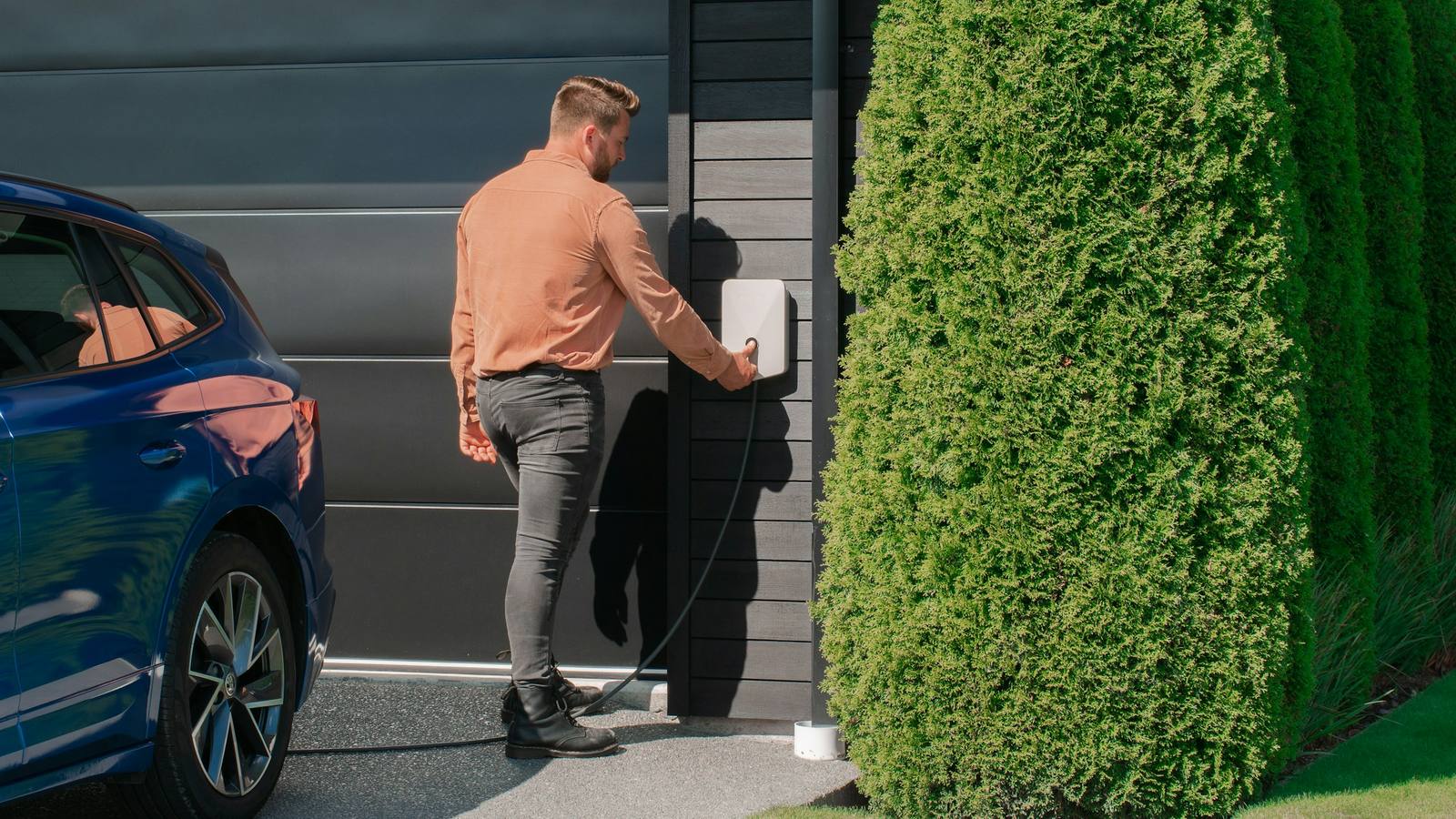
Home Level 2 chargers are the most common job for a new installer. Photo: Zaptec on Unsplash.
The MarketChargers Keep Going In, Even as Credits End
The U.S. Department of Energy’s Alternative Fuels Data Center (AFDC) counts 264,591 public charging ports at 84,204 locations as of Nov. 13, 2026. Of those, 183,637 are Level 2 ports, the kind found at workplaces, stores and apartments, and 80,254 are DC fast chargers. Public ports more than doubled from 2019 to 2023 alone. Home chargers are not in these counts, and they are the most common job for a small installer.
EV sales are lower than a year ago but still large. Kelley Blue Book estimates 262,649 EVs were sold in the third quarter of 2026, about 6.4% of new vehicles, up 6.1% from the second quarter but down 39.5% from a record third quarter of 2025, when buyers rushed ahead of expiring federal incentives. Every new EV owner with a driveway is a likely client for a Level 2 charger.
U.S. Public Charging Ports by Type, Nov. 2026
- Level 2183.6K
- DC fast80.3K
- Level 10.7K
Source: U.S. Department of Energy, Alternative Fuels Data Center station counts (Nov. 13, 2026). Counts exclude temporarily unavailable stations.
U.S. Public EV Charging Ports, in Thousands
Source: U.S. Department of Energy, Alternative Fuels Data Center, public charging infrastructure by year. From 2022, counts include temporarily unavailable ports. The AFDC count reached 264,591 by Nov. 13, 2026.
Public charging ports nearly tripled from 2018 to 2023.
From 57,386 to 168,388 (U.S. Department of Energy)
Why NowElectricians Are the Bottleneck
Solar is the harder story in 2026. The Solar Energy Industries Association (SEIA) and Wood Mackenzie report that U.S. homes added 4,647 megawatts of solar in 2025, down 2%. The 30% federal tax credit for homeowners who buy solar ended for systems placed in service after Dec. 31, 2025, and in the second quarter of 2026 residential installs fell 12% from a year earlier. SEIA expects a 23% drop in 2026, then about 6% average yearly growth from 2027 to 2031 as leases, power purchase agreements and prepaid third-party plans take over. Commercial solar grew 11% in the same quarter.
The federal credit for home and business chargers also ended, for property placed in service after June 30, 2026, according to the IRS. Even so, the skills stay in demand. BLS projects jobs for solar photovoltaic installers to grow 37% from 2025 to 2035, much faster than average, and electricians 9%, against 3.5% for all jobs. Most states require electricians to be licensed, and the Associated Builders and Contractors says about one-fifth of electricians are over 55, so licensed help is getting scarcer.
The IdeasSix Ways to Make Money in EV Charging and Solar
Each of these can start small, but most need a licensed electrician on the team. The tags show whether it fits best as a side hustle, a full business, or both.
Home EV Charger Installation
Install Level 2 chargers in garages and driveways, with a new circuit and, when needed, a panel upgrade. A licensed electrician can start on weekends.
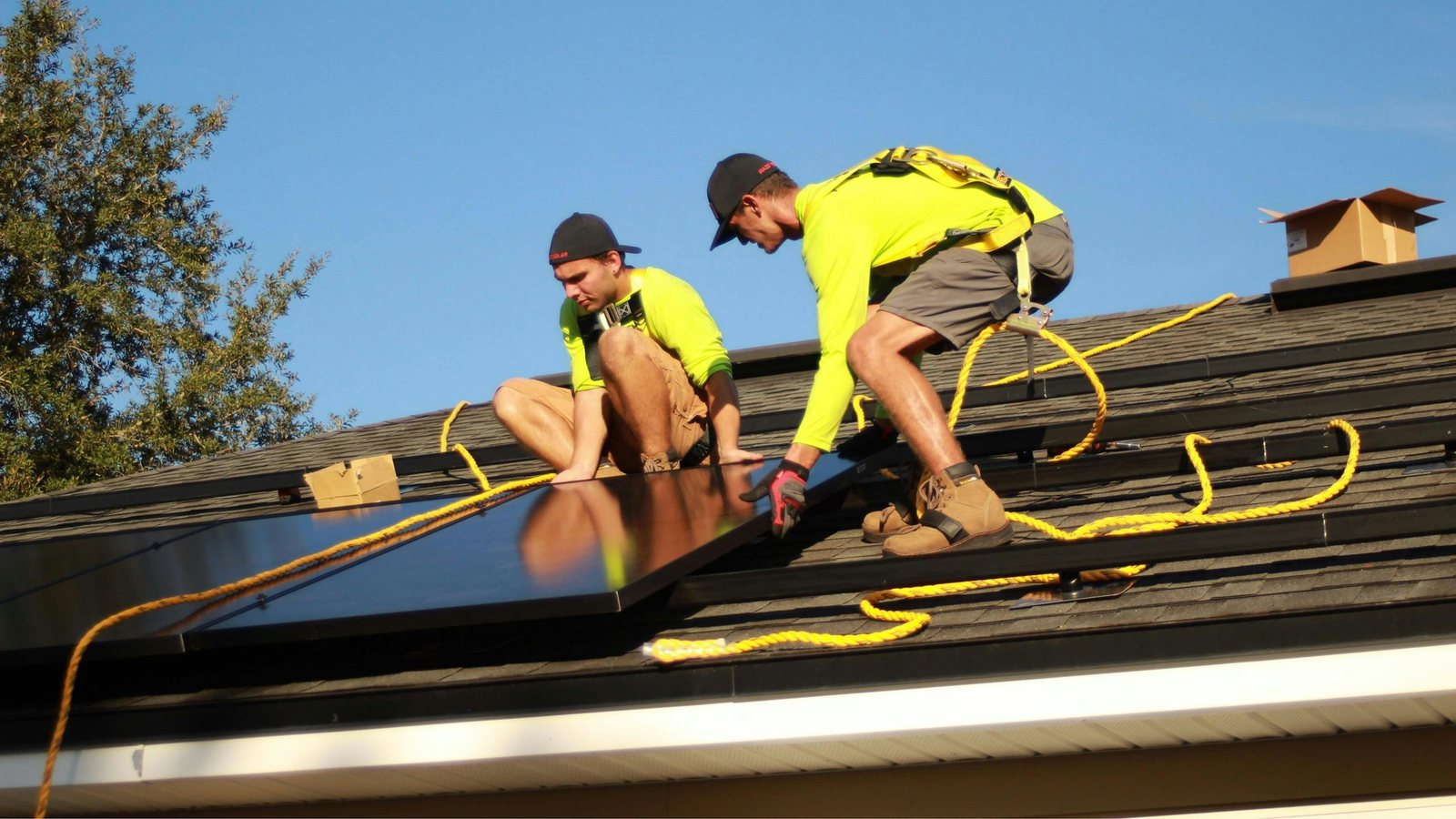
Residential Solar and Battery Installation
Install rooftop solar and home batteries, often as a subcontractor to companies that sell leases and power purchase agreements now that the homeowner credit has ended.
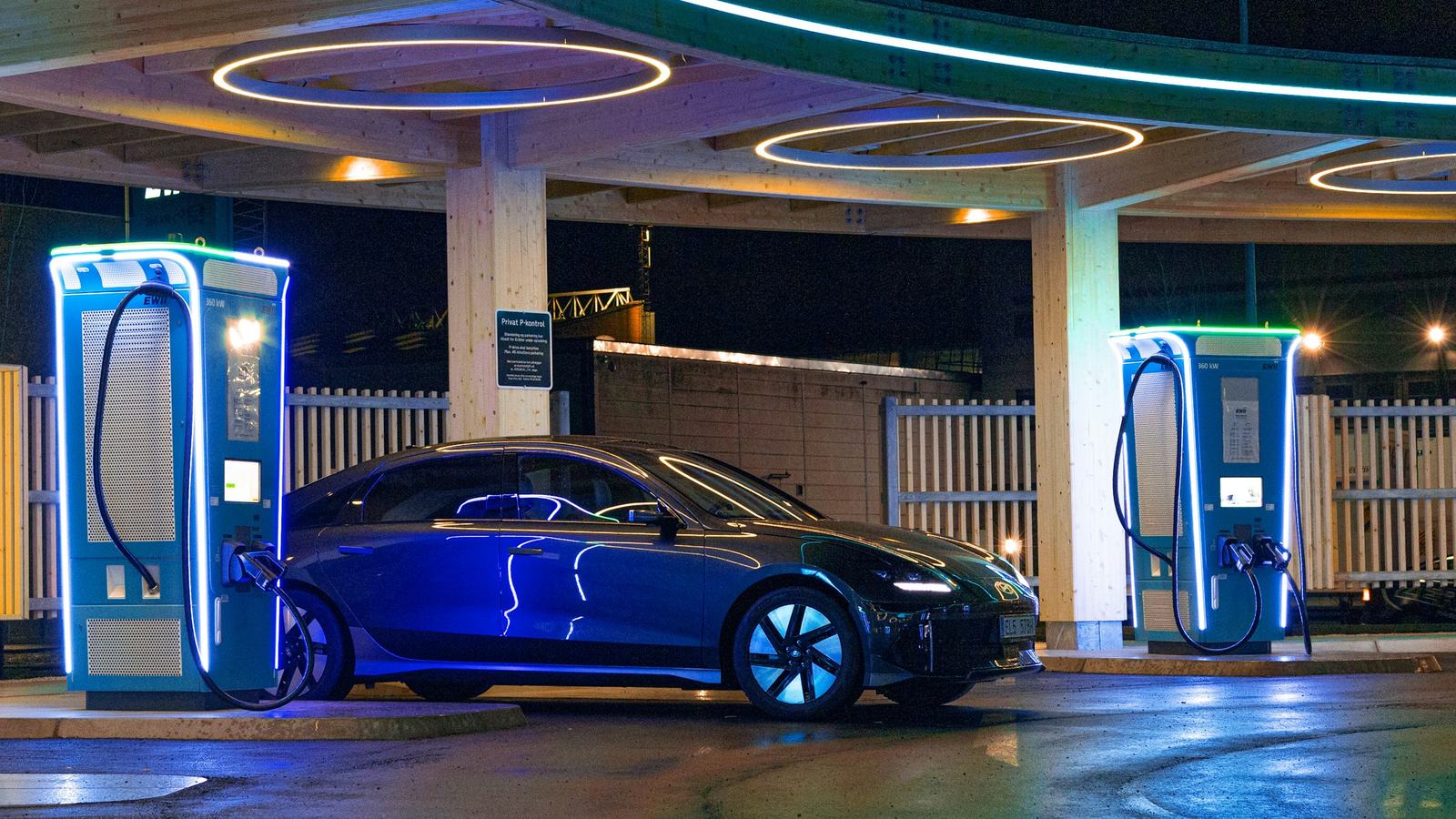
Commercial and Multifamily Charging
Install and maintain chargers at workplaces, stores, hotels and apartment lots. Jobs are larger and often come with service contracts.
Solar Cleaning and Maintenance
Clean panels, check systems and fix small problems on the millions of homes that already have solar. It needs ladders, safety gear and insurance more than a big crew.
Charger Repair and Service Plans
Fix broken public and private chargers and offer yearly service plans. Uptime matters to site owners, so reliable service earns repeat work.
Home Energy Assessments
Help homeowners plan for an EV, solar or a battery: panel capacity, utility rates and options. Many installers win jobs this way.
Side Hustle or Full Business?
Start as a Side Hustle
- Licensed electricians can install home chargers on evenings and weekends.
- Solar cleaning and energy assessments need little equipment.
- Car dealers, EV owner groups and neighbors bring early referrals.
- Good test: can you book two or three installs a week?
Grow Into a Full Business
- Solar, batteries and commercial charging support a licensed contractor.
- Expect a contractor license, bonding, insurance and permits on every job.
- Hire licensed electricians and apprentices as backlogs grow.
- Service contracts and commercial work smooth out swings in home sales.
Inksight’s Scorecard for an EV Charger Installation Business
Most work needs an electrical license, permits and inspections.
Home charger installs fit weekends; solar and commercial work do not.
Ports keep growing, but EV sales and home solar fell after tax credits ended.
Licensed, skilled work earns well, and service plans add steady income.
Crews, commercial contracts and maintenance can grow into a large contractor.
This scorecard is Inksight’s opinion based on the data above. It is not a guarantee of results.
Getting StartedHow to Start an EV Charger Installation Business
- Get licensed, or partner with someone who isMost states require an electrician license for this work, and many require a contractor license to run the business. If you are not licensed, partner with an electrician or start with cleaning and assessments.
- Choose your first serviceStart with home Level 2 chargers, then add batteries, solar or commercial chargers as your team and skills grow.
- Set up insurance and bondingGeneral liability, workers’ compensation once you hire, and a license bond where your state requires one.
- Learn the permit processMost installs need a permit and an inspection. Learn your local permit office and your utility’s rules for panel upgrades and solar interconnection.
- Build referral partnersCar dealers, solar sales companies, property managers and EV owner groups all send work to reliable installers.
- Price clearlyQuote by the job, show what a panel upgrade adds, and list any utility rebates. Do not promise tax credits that have ended.
- Add service and commercial workOffer yearly maintenance plans and bid on workplace and apartment charger projects as your crew grows.
Know Before You StartThe Hard Parts
- Policy moves the market. The homeowner solar credit ended after 2025 and the charger credit after June 30, 2026, and demand shifted fast.
- Licensing takes time. Electrician licenses usually require years of supervised work, so most owners partner or hire.
- EV sales swing. EV sales in the third quarter of 2026 were down 39.5% from a year earlier, even as they rose from the second quarter.
- Roofs and panels are risky. Falls, shocks and fires are real dangers; safety training and insurance are not optional.
None of these are reasons to skip the idea. They are why licensed, reliable installers stay busy: chargers, batteries and panels all need careful, permitted work and service for years. Start with the job you can do safely and legally, build referral partners, and grow with the market.
Key Takeaways
- The U.S. had 264,591 public EV charging ports on Nov. 13, 2026, including 80,254 DC fast ports (U.S. DOE).
- EVs were about 6.4% of new vehicle sales in Q3 2026, down from a record a year earlier (Cox Automotive).
- Residential solar is expected to fall 23% in 2026 after the homeowner credit ended, then recover from 2027 (SEIA).
- BLS projects 37% job growth for solar installers and 9% for electricians from 2025 to 2035, versus 3.5% for all jobs.
- A license, permits and insurance come first; start with home chargers and grow into solar, batteries and commercial service.
QuestionsFrequently Asked Questions
Is an EV charger installation business profitable?
It can be, because it is licensed, skilled work. BLS reports a median wage of $63,190 for electricians and $53,140 for solar installers (May 2025). Profit depends on your prices, permits, equipment costs and how steadily you book jobs.
Can I start an EV charger installation business as a side hustle?
Yes, if you are a licensed electrician: home Level 2 charger installs fit evenings and weekends. Without a license, solar panel cleaning and home energy assessments are side hustles you can start now.
Do I need a license to install EV chargers or solar panels?
Usually. BLS says most states require electricians to pass a test and be licensed, and installs typically need a permit and inspection. Some states also license solar contractors. Check with your state licensing board and see the SBA’s licenses and permits guide.
Are there still tax credits for EV chargers and solar?
Not for most new home projects. The IRS says the residential clean energy credit is not available for property placed in service after Dec. 31, 2025, and the charger credit covers property placed in service through June 30, 2026. Local utility rebates may still apply.
Is residential solar still growing?
Not in 2026. SEIA and Wood Mackenzie expect residential installs to drop 23% in 2026 after the homeowner credit ended, then grow about 6% a year on average from 2027 to 2031.
Sources
- U.S. DOE Alternative Fuels Data Center: Station counts by state (data as of Nov. 13, 2026)
- U.S. DOE Alternative Fuels Data Center: U.S. public EV charging infrastructure by year
- Cox Automotive: Q3 2026 EV sales, Kelley Blue Book estimates (Oct. 12, 2026)
- SEIA and Wood Mackenzie: Solar Market Insight Report Q3 2026 (Sept. 10, 2026)
- SEIA and Wood Mackenzie: Solar Market Insight 2025 Year in Review (March 9, 2026)
- IRS: Residential clean energy credit
- IRS: Alternative fuel vehicle refueling property credit
- BLS Occupational Outlook Handbook: Solar photovoltaic installers
- BLS Occupational Outlook Handbook: Electricians
- ABC: Construction industry must attract 349,000 workers in 2026 (Jan. 15, 2026)