Trending Business Ideas · Landscaping and Lawn Care
U.S. landscaping companies employed an average of 918,000 people in 2025, up 28% in ten years, and one in five grounds workers is self-employed. A landscaping business can start with a mower and a trailer on weekends and grow into crews, contracts and year-round work.
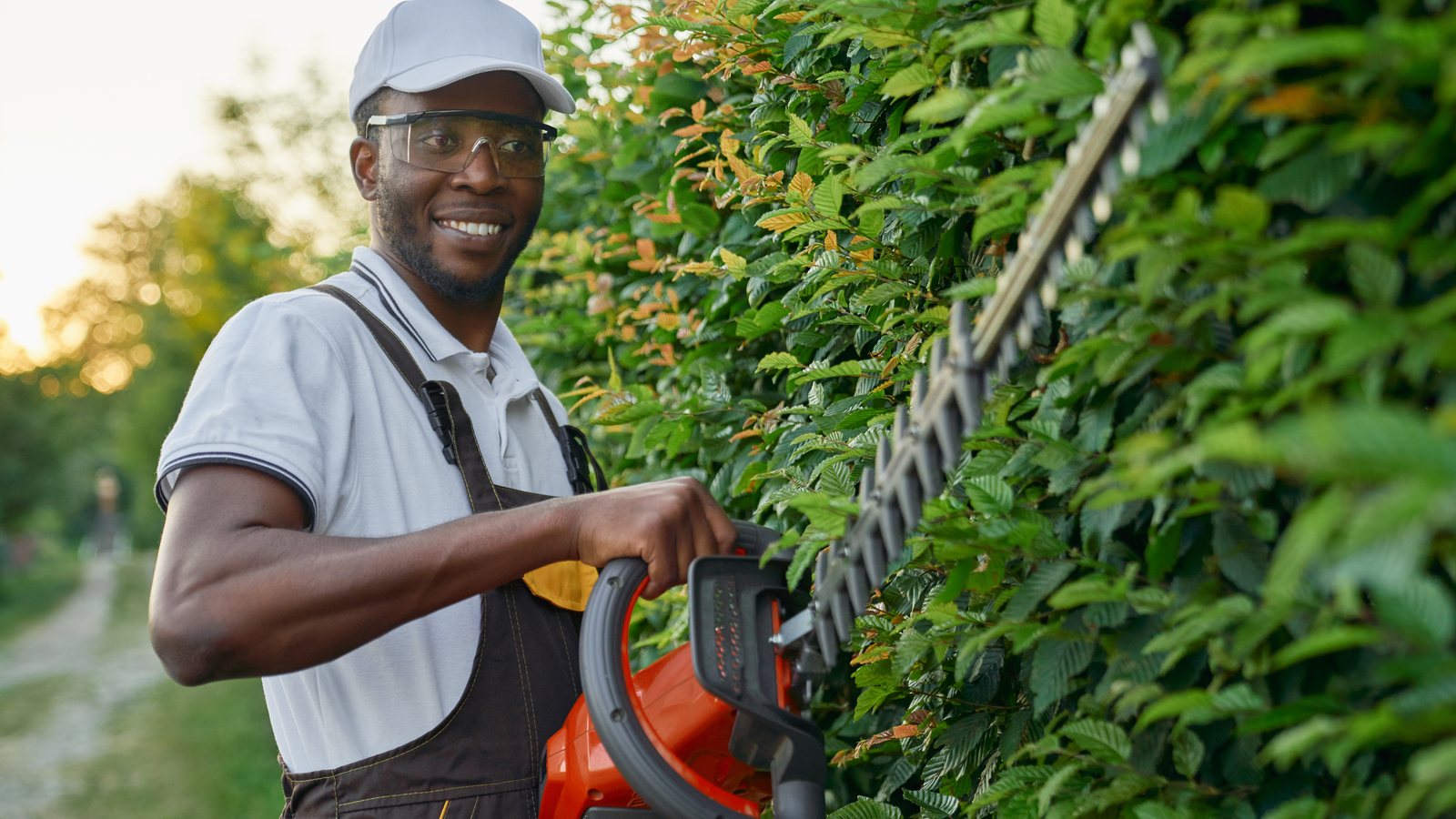
Weekly mowing routes are the backbone of most lawn care companies. Photo: Wavebreak Media on Magnific.
The MarketA Steady, Local Service Business
The U.S. Bureau of Labor Statistics (BLS) counts about 1.3 million grounds maintenance workers in 2025, including 1,188,600 landscaping and groundskeeping workers, 70,600 tree trimmers and 25,700 pesticide applicators. Twenty percent of all grounds maintenance workers are self-employed, a large share for any trade, which tells you how many people already run their own small lawn and landscape operations.
Landscaping companies keep adding people. BLS monthly payroll data shows employment at landscaping services firms averaged about 918,000 in 2025, up from about 718,000 in 2015. Mowing, planting, cleanups and irrigation cannot be shipped or done online, so local providers keep the work.
Where Grounds Maintenance Workers Work, 2025
- Services to buildings and homes (landscaping firms)48%
- Self-employed20%
- Government8%
- Amusement and recreation (golf, parks)8%
- Schools and colleges3%
- Other13%
Source: BLS Occupational Outlook Handbook, grounds maintenance workers (2025). “Other” is the remainder.
Jobs at U.S. Landscaping Services Firms, in Thousands
Source: BLS Current Employment Statistics, landscaping services (not seasonally adjusted). Annual averages worked out from BLS monthly data.
One in five grounds maintenance workers runs their own operation.
20% self-employed in 2025 (BLS)
Why NowBusy Owners and Thirsty Lawns
BLS projects jobs for landscaping and groundskeeping workers to grow 5% from 2025 to 2035, faster than the 3.5% pace for all jobs, and it expects about 162,500 openings for grounds maintenance workers every year as people retire or change jobs. Hiring is hard in this trade, which leaves room for reliable owners who show up on schedule.
Water is the other reason. The EPA says U.S. homes use nearly 8 billion gallons of water outdoors each day, mostly for landscapes, and the average household uses more water outdoors than for showering and washing clothes combined. That creates paid work in smart irrigation, drip systems and drought-tolerant planting on top of mowing and cleanups.
The IdeasSix Ways to Make Money in Landscaping
Each of these can start small. The tags show whether it fits best as a side hustle, a full business, or both.
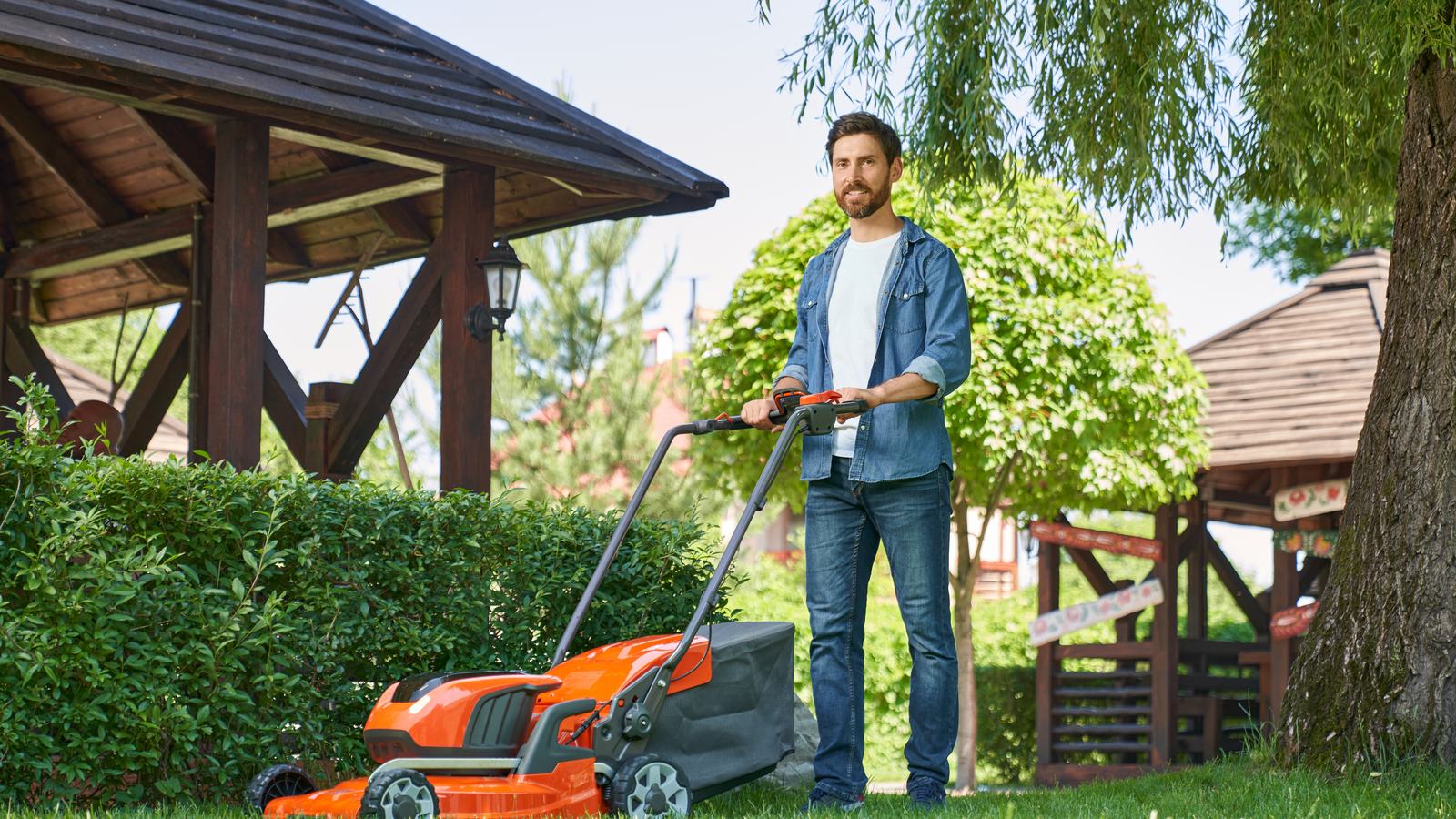
Weekly Mowing Routes
Mowing, edging and blowing on a set day each week. Clients close together on one route save drive time and fuel, which is where the profit is.
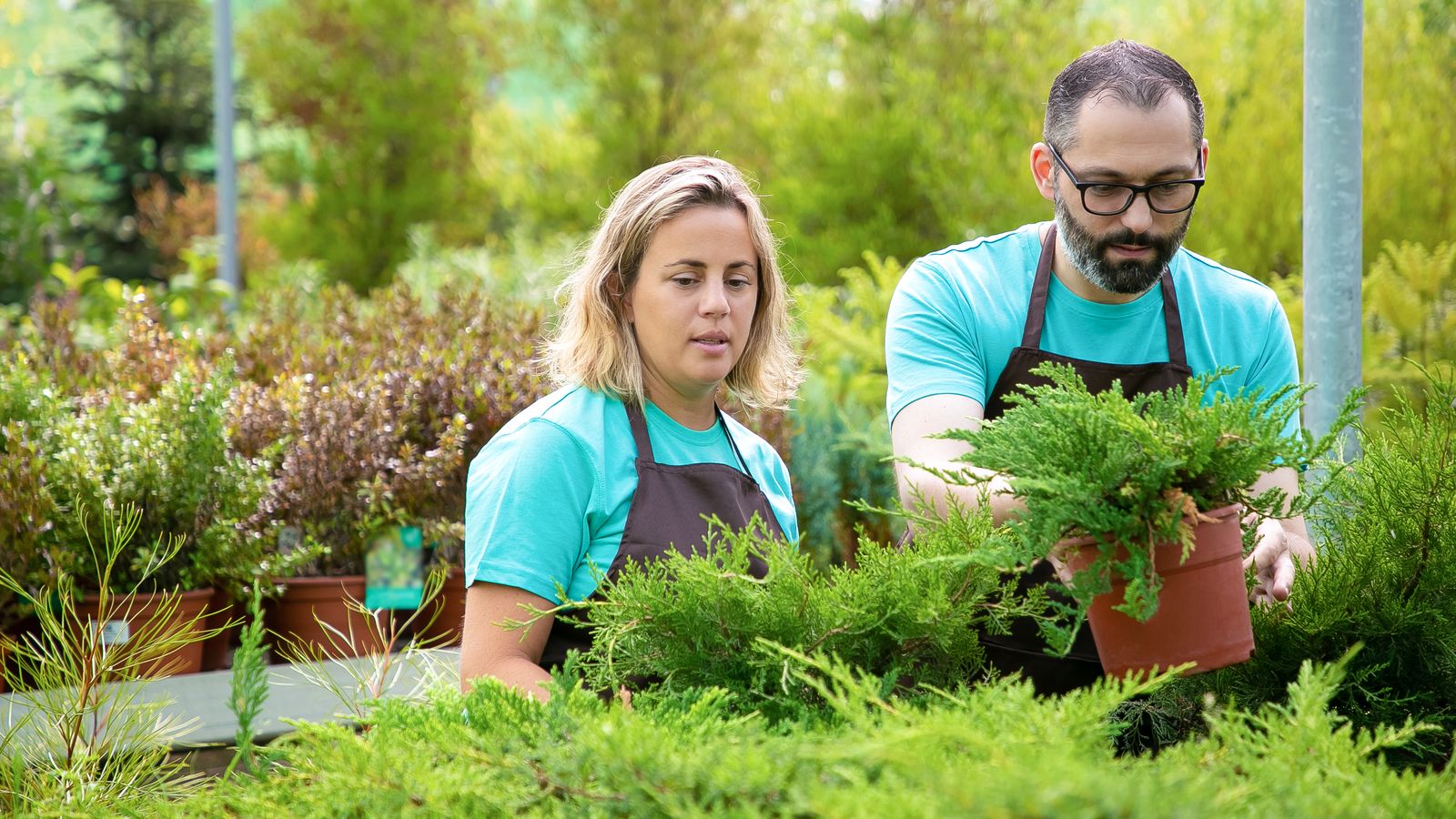
Planting, Mulch and Garden Care
Seasonal planting, mulching, pruning and bed care. These jobs take more skill and bring bigger tickets than mowing.

Hardscaping and Patios
Patios, walkways, retaining walls and outdoor kitchens. Higher prices, but it needs equipment, crews and often a contractor’s license.
Seasonal Cleanups and Snow Removal
Spring and fall cleanups, leaf removal, and snow plowing in cold states. BLS notes many grounds workers add snow removal in winter.
Irrigation and Water-Smart Landscapes
Install and tune sprinklers and drip systems, or replace lawn with drought-tolerant plants. Some states license irrigation work.
Commercial Grounds Contracts
Offices, apartment complexes and homeowner associations sign yearly contracts. Insurance, crews and reliability win these bids.
Side Hustle or Full Business?
Start as a Side Hustle
- Mow and clean up yards on evenings and weekends in one neighborhood.
- Startup needs: a mower, trimmer, blower, a way to haul them, and insurance.
- Neighbors, door hangers and local reviews bring the first clients.
- Good test: can you fill one full day a week with clients on one route?
Grow Into a Full Business
- Crews, a truck and trailer, commercial equipment and year-round services.
- Expect licenses, more insurance, workers’ compensation and payroll.
- Hire when you are turning down work every week in peak season.
- Annual contracts and snow or holiday-light work smooth out the off-season.
Inksight’s Scorecard for a Landscaping Business
Basic mowing can start with equipment many people already own.
Evenings and weekends work, though mowing season is the busy season for everyone.
Landscaping services jobs grew about 28% from 2015 to 2025, with 5% more projected by 2035.
Mowing alone is price-competitive; design, hardscape and contracts earn more.
Routes and crews can be copied, if you can hire and keep good workers.
This scorecard is Inksight’s opinion based on the data above. It is not a guarantee of results.
Getting StartedHow to Start a Landscaping Business
- Pick your services and areaStart with mowing and cleanups in a few neighborhoods close together. Tight routes cut drive time.
- Check licensesGet a business license. Ask your state about rules for landscape contractors, irrigation and tree work, which differ by state.
- Know the pesticide rulesApplying restricted use pesticides requires state certification, and many states require a license to apply any pesticide for hire.
- Get insuredGeneral liability covers damage to client property, such as a rock thrown through a window. Add commercial auto for your truck.
- Set your pricesPrice by the job or by the visit, based on lawn size and time. Offer weekly or biweekly plans billed monthly.
- Make booking and billing easyUse simple scheduling and invoicing software with online payment, and send a reminder before each visit.
- Add services, then crewsAdd cleanups, mulch, planting or irrigation as clients ask. Hire your first helper when you are turning work away.
Know Before You StartThe Hard Parts
- It is seasonal. BLS notes much grounds work is busiest in spring, summer and fall. Plan winter income such as snow removal or holiday lights.
- The work is physical and can be dangerous. BLS says tree trimmers and pruners have one of the highest injury rates of any job.
- Equipment is a real cost. Mowers, trailers and trucks need repairs and replacement. Budget for them from the first season.
- Hiring is hard. Reliable workers are the main limit on growth, so pay, training and scheduling matter.
None of these are reasons to skip the idea. They are why dependable landscaping businesses keep clients for years: once a homeowner trusts you, they rarely switch. Start with a tight route, show up on time every week, and let your yards do the selling.
Key Takeaways
- U.S. landscaping services firms employed about 918,000 people in 2025, up from about 718,000 in 2015 (BLS).
- 20% of grounds maintenance workers are self-employed, and BLS expects about 162,500 openings a year through 2035.
- BLS projects 5% job growth for landscaping workers from 2025 to 2035, versus 3.5% for all jobs.
- Start with mowing routes as a side hustle; grow into planting, hardscaping, irrigation and contracts.
- Check state rules for contractors and pesticides, get insured, and plan for the off-season.
QuestionsFrequently Asked Questions
Is a landscaping business profitable?
It can be. Landscaping services employment grew from about 718,000 in 2015 to about 918,000 in 2025 (BLS). Profit depends on tight routes, fair prices and higher-value work like planting, hardscaping and contracts.
Can I start a landscaping business as a side hustle?
Yes. Mowing and yard cleanups on evenings and weekends are a common start. Many owners keep a day job until they have one or two full days of clients.
Do I need a license for a landscaping business?
Most places require a general business license. Many states license landscape contractors, irrigation work or tree work, and applying pesticides for hire usually needs state certification. See the SBA’s licenses and permits guide and your state’s pesticide agency.
How much do landscaping workers earn?
The BLS reports a median wage of $18.82 an hour for landscaping and groundskeeping workers and $24.50 for tree trimmers and pruners (May 2025). Owners earn based on their own prices, volume and costs.
What landscaping services are in demand?
Weekly mowing is the steady base. Planting, cleanups, irrigation, water-smart landscapes and commercial contracts add higher-value work. The EPA says homes use nearly 8 billion gallons of water outdoors each day, which drives interest in efficient irrigation.
Sources
- BLS Occupational Outlook Handbook: Grounds maintenance workers (updated Sept. 14, 2026)
- BLS Current Employment Statistics: All employees, landscaping services (series CEU6056173001)
- BLS: Employment Projections 2025-35 (Aug. 27, 2026)
- EPA WaterSense: Outdoor water use (updated July 20, 2026)
- EPA: Certification standards for pesticide applicators (updated March 6, 2026)
- SBA: Apply for licenses and permits