Trending Business Ideas · Laundromats and Laundry Delivery
About 29,500 coin laundries in the U.S. bring in nearly $5 billion a year, according to the Coin Laundry Association. A laundromat business is a cash-flow investment with long leases and machines that last for years, and laundry pickup and delivery lets you start the same business with a car and a few loyal clients.
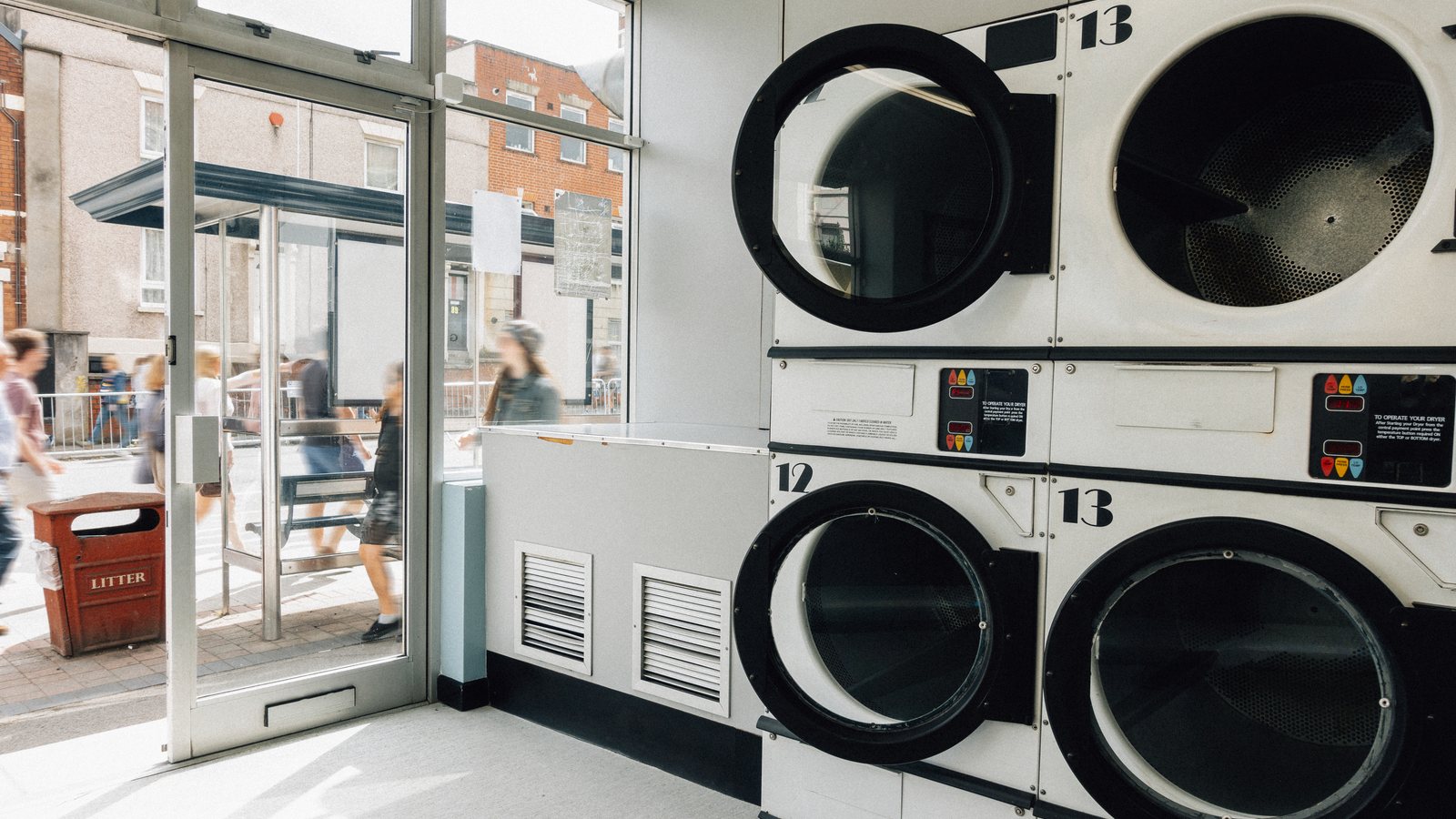
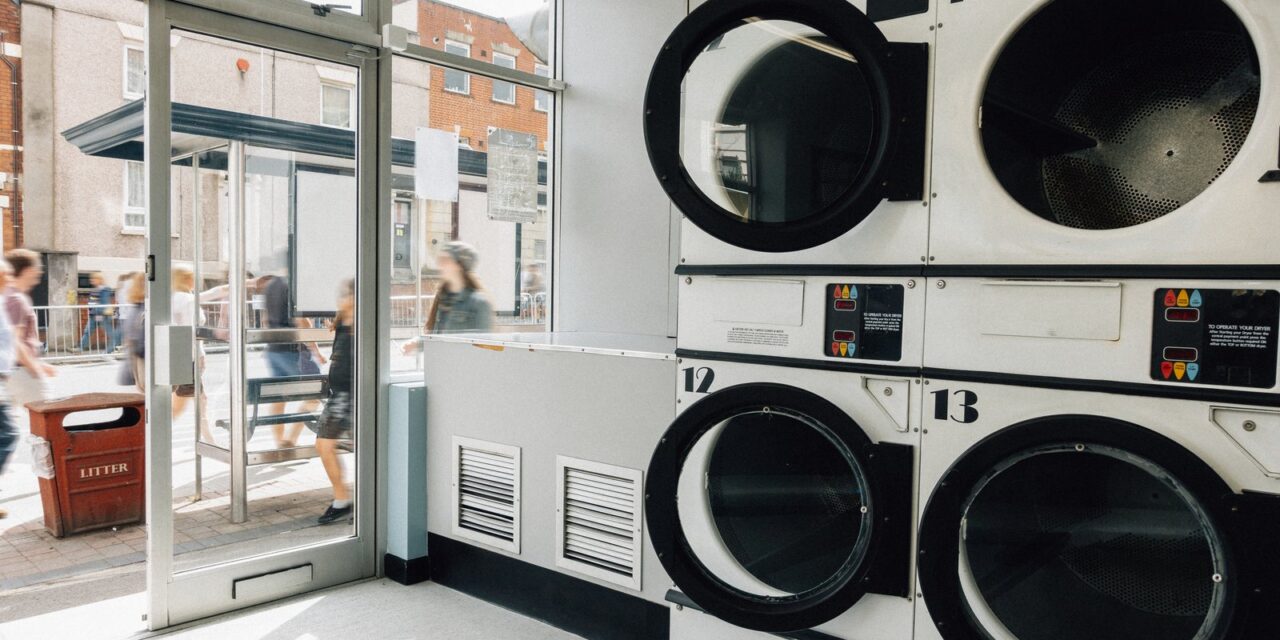
A modern laundromat runs on rows of large front-load washers and dryers. Photo: Shot Happens on Magnific.
The MarketA Steady, Everyday Service
The Coin Laundry Association (CLA) estimates about 29,500 coin laundries in the U.S., generating nearly $5 billion in gross revenue a year. Stores typically range from 1,000 to 5,000 square feet, stay open about 6 a.m. to 10 p.m., and sign leases of 10 to 25 years. The CLA puts annual cash flow for a single store anywhere from $15,000 to $300,000, depending on size, location and management.
The core client is a household without its own washer and dryer, which usually means renters. The Census Bureau reports a U.S. homeownership rate of 65.5% in the third quarter of 2026, so about 34.5% of occupied homes are rented. Busy owners with machines at home are a second market: they pay for wash-and-fold and delivery to get their weekends back.
Who Lives in U.S. Homes, Q3 2026
- Owner-occupied65.5%
- Renter-occupied34.5%
Source: U.S. Census Bureau, Housing Vacancies and Homeownership, third quarter 2026 (Oct. 28, 2026). Renter share is 100% minus the 65.5% homeownership rate.
About 29,500 U.S. laundromats bring in nearly $5 billion a year.
Coin Laundry Association industry overview, 2026
Why NowLaundry Is Moving From Coins to Service
Clean clothes are a need, not a trend, which is why investors like laundromats. What is changing is how people pay and what they buy. Card and app payments, larger machines, and wash-and-fold by the pound let one store earn from both self-service and full service. Pickup and delivery reaches clients who never visit the store at all.
The job data points to service. BLS projects jobs for driver/sales workers, the group that includes route delivery drivers, to grow 7.9% from 2025 to 2035, and laundry and dry-cleaning workers 4.3%, both faster than the 3.5% pace for all jobs. Pressers, tied to traditional dry cleaning, are projected to shrink 15.7%. That is one reason many new operators skip on-site dry cleaning, which also faces EPA’s phaseout of the solvent perchloroethylene (PCE) in dry cleaning, set in a December 2024 rule.
The IdeasSix Ways to Make Money in Laundry
Each of these can start small. The tags show whether it fits best as a side hustle, a full business, or both.
Self-Service Laundromat
Buy an existing store or build a new one. The CLA says stores often sell for 3 to 5 times net cash flow, so buying one is a numbers decision.
Wash-and-Fold Service
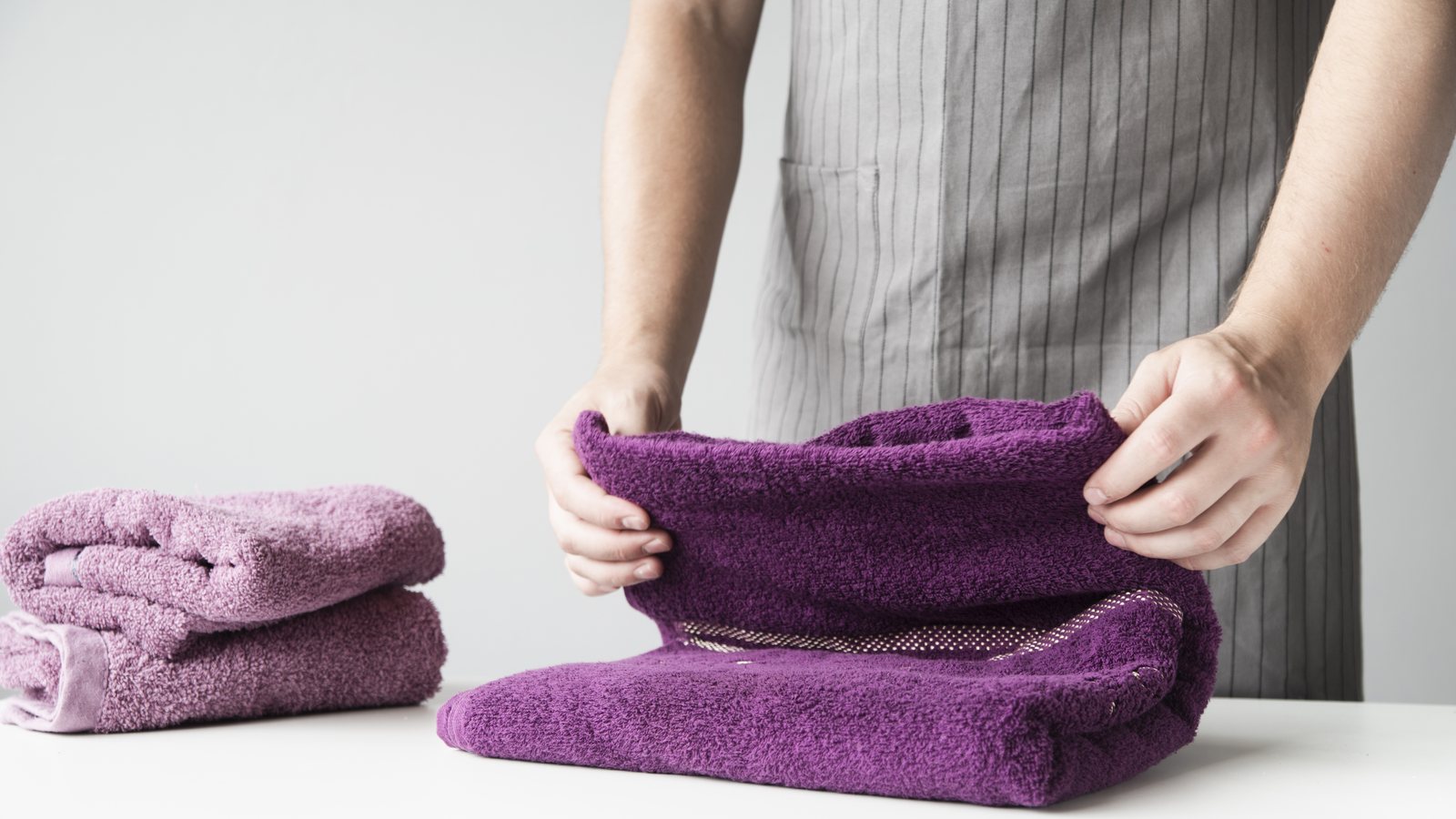
Clients drop off laundry and pick it up clean and folded, priced by the pound. It adds staff income to a laundromat, or can start in a partner store.

Laundry Pickup and Delivery
Collect bags on a set schedule, wash at a partner laundromat, and deliver folded clothes. A car, scales, bags and a booking page are enough to start.
Commercial Accounts
Towels and linens for gyms, salons, spas, restaurants and short-term rentals. Steady weekly volume fills machines on slow days.
Short-Term Rental Linen Service
Wash, fold and restock sheets and towels for vacation rental hosts between guests. Pairs well with a cleaning service.
Dry Cleaning Drop-Off Point
Take in dry cleaning and send it to a partner plant instead of cleaning on site. It adds revenue without solvent equipment.
Side Hustle or Full Business?
Start as a Side Hustle
- Pickup and delivery fits mornings, evenings and weekends.
- No store or machines: partner with a local laundromat for wash time.
- Busy families, students and seniors are easy first clients.
- Good test: can you fill 20 recurring weekly pickups?
Grow Into a Full Business
- A laundromat needs a long lease, machines, utilities and repairs.
- Most buyers finance the purchase; lenders look at cash flow history.
- Add attendants when wash-and-fold and delivery orders grow.
- Commercial accounts and delivery routes smooth out slow days.
Inksight’s Scorecard for a Laundromat Business
A store takes a large investment and a long lease; delivery is the easy way in.
Pickup and delivery works on a part-time schedule; a store can run with attendants.
About one in three U.S. homes is rented, and service options keep growing.
The CLA cites $15,000 to $300,000 in yearly cash flow per store, a very wide range.
More stores and routes are possible, but each store is a big purchase.
This scorecard is Inksight’s opinion based on the data above. It is not a guarantee of results.
Getting StartedHow to Start a Laundromat Business
- Choose your entry pointDecide between buying a store, building one, or starting with pickup and delivery using a partner laundromat.
- Study the locationLook for dense rental housing, parking and few nearby competitors. Count the machines in every store within a short drive.
- Check the numbersFor an existing store, ask for at least two years of utility bills, tax returns and machine counts, and compare price to the CLA’s 3 to 5 times cash flow range.
- Review the lease and equipmentA long lease protects your investment. Note each machine’s age against its useful life, since replacement is your biggest future cost.
- Get licensed and insuredGet a business license and any local permits for water, sewer and signs, plus property and liability insurance.
- Add service incomeOffer wash-and-fold, pickup and delivery, and commercial accounts. Card or app payments make it easier to pay.
- Keep it clean and safeBright lighting, working machines, cameras and a clean floor bring clients back and earn reviews.
Know Before You StartThe Hard Parts
- It takes real money. The CLA says store values range from $50,000 to more than $1 million, so most owners finance.
- Utilities are a big cost. Water, sewer, gas and electricity rise with use, and rate changes hit your margin.
- Machines wear out. Topload washers last about 5 to 8 years; frontload washers and dryers about 10 to 15.
- It is not fully passive. Cleaning, repairs, collections and service orders need someone on site or on call.
None of these are reasons to skip the idea. They are why well-run laundromats in the right locations keep clients for years. Start with delivery or buy carefully, check every number, and build service income on top of the machines.
Key Takeaways
- About 29,500 U.S. coin laundries generate nearly $5 billion a year (Coin Laundry Association, 2026).
- About 34.5% of occupied U.S. homes were rented in Q3 2026 (Census), the core laundromat market.
- BLS projects 7.9% growth for driver/sales workers and 4.3% for laundry workers, 2025-35.
- Start with pickup and delivery; buy or build a store when the numbers are proven.
- Check lease length, machine age, utilities and two years of records before buying.
QuestionsFrequently Asked Questions
Is a laundromat business profitable?
It can be. The Coin Laundry Association estimates nearly $5 billion in yearly revenue across about 29,500 U.S. laundromats, with yearly cash flow per store from $15,000 to $300,000. Location, lease, utilities and machine age decide where a store lands.
Can a laundry business work as a side hustle?
Yes. Laundry pickup and delivery can start with a car, bags and a scale, using a partner laundromat for washing, and fits mornings, evenings and weekends.
Do I need a license to open a laundromat?
You need a business license, and most cities require permits for plumbing, water and sewer connections and signs. Dry cleaning on site faces extra rules, including EPA’s phaseout of PCE. See the SBA’s licenses and permits guide.
How much does it cost to buy a laundromat?
The Coin Laundry Association says laundromats are valued from $50,000 to more than $1 million, and typically sell for 3 to 5 times net cash flow. Ask for utility bills and tax returns before you buy.
Is a laundromat a passive business?
Not fully. Machines run themselves, but someone must clean, repair, collect and handle service orders. Many owners hire attendants and add wash-and-fold to pay for them.
Sources
- Coin Laundry Association: Industry overview (2026)
- U.S. Census Bureau: Quarterly residential vacancies and homeownership, Q3 2026 (Oct. 28, 2026)
- BLS: Occupational projections and characteristics, 2025-35 (released Aug. 27, 2026)
- BLS: Employment Projections 2025-35 (Aug. 27, 2026)
- EPA: Risk management for perchloroethylene (PCE), final rule December 2024
- SBA: Apply for licenses and permits