Trending Business Ideas · Med Spas and Aesthetics
The number of U.S. medical spas grew from 8,899 to 10,488 in a single year, 2023, and wrinkle-relaxing injections now make up half of all minimally invasive treatments. A med spa business can be very profitable, but it is a medical practice first and a spa second.
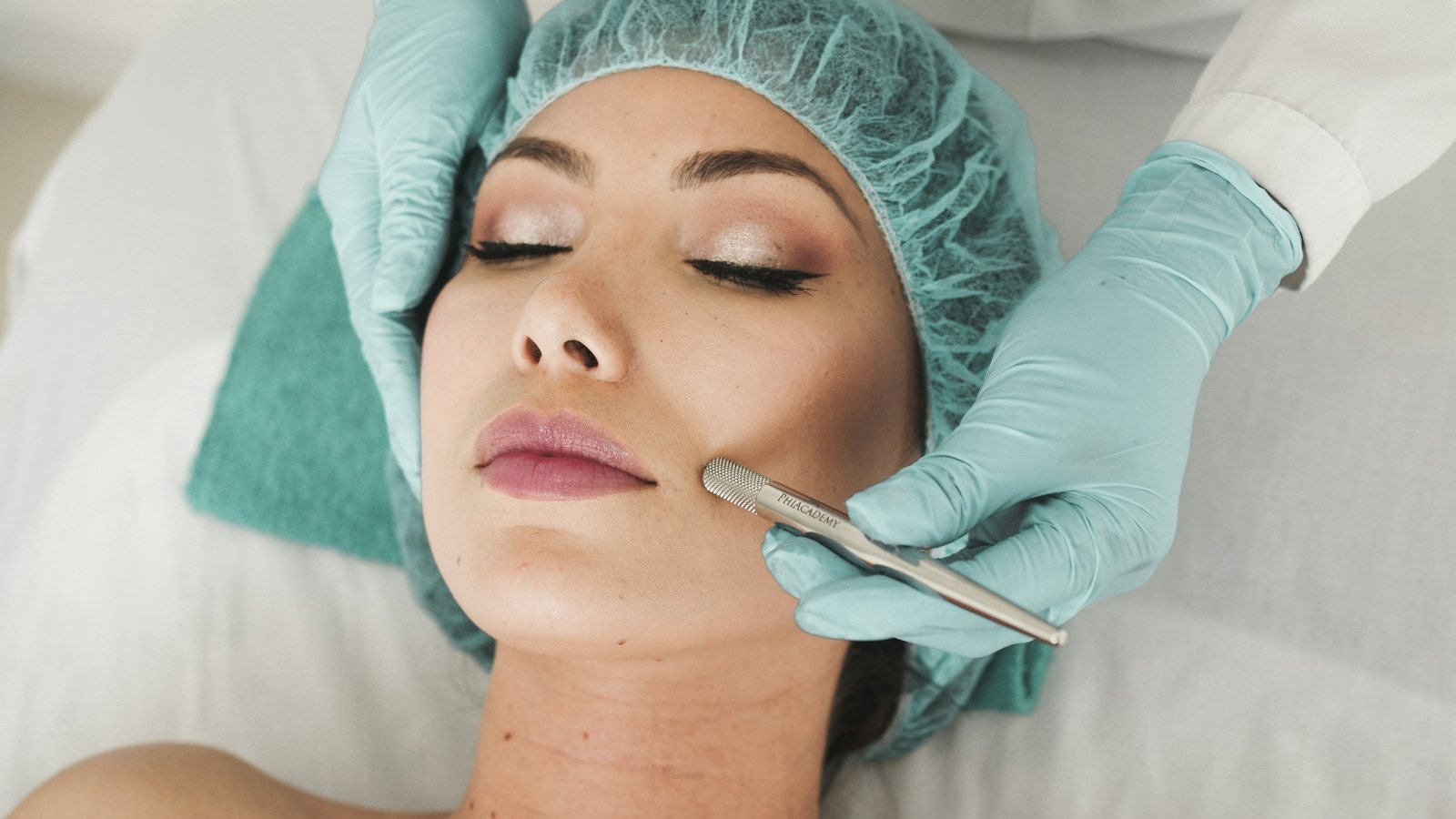
Injectables are the core of most med spas, and they must be given by licensed providers. Photo: karelys Ruiz on Unsplash.
The MarketMed Spas Are Multiplying
The American Med Spa Association (AmSpa) counted 10,488 medical spas in 2023, up from 8,899 in 2022, and 18% of med spas were newly opened in 2023. In its 2024 report, average annual revenue per med spa rose from $1,307,587 to $1,398,833, and 81% of med spas were single locations. Patients spent an average of $527 per visit, 73% were repeat patients, and 89% were women.
The treatments behind that growth are quick, non-surgical and repeatable. The American Society of Plastic Surgeons (ASPS) counted over 28.5 million minimally invasive procedures in 2024, including 9,883,711 neuromodulator injections such as Botox, up 4%, and 5,331,426 hyaluronic acid filler treatments. In 2025, neuromodulators made up half of all minimally invasive treatments and fillers made up 30%.
Neuromodulator Injections in the U.S., in Millions
Source: ASPS procedural statistics releases (2022, 2023 and 2024). 2019 is worked out from ASPS’s 73% growth from 2019 to 2022. Years are not evenly spaced.
Minimally Invasive Treatments by Type, 2025
- Neuromodulator injections50%
- Hyaluronic acid fillers30%
- Lasers, hair removal and other treatments20%
Source: ASPS 2025 procedural statistics. The third slice is worked out from the other two.
Half of all minimally invasive treatments in 2025 were wrinkle-relaxing injections.
American Society of Plastic Surgeons
Why NowRepeat Treatments and a Growing Workforce
Injectables wear off in a few months, so satisfied patients come back. AmSpa reports that the share of repeat patients rose to 73% in its 2024 report from 65% in its 2022 report. Patients are also getting older: ASPS reports that in 2025 procedures among people 56 to 65 rose 15% and among those 66 and up rose 24%, the fastest-growing age group.
The people who deliver these treatments are in demand. The BLS projects nurse practitioner jobs to grow 41% from 2025 to 2035 and skincare specialist jobs 9%, against 3.5% for all jobs. Skincare specialists earned a median $45,330 in May 2025, and those in physicians’ offices earned more per hour than those in personal care services.
The IdeasSix Ways to Make Money in Aesthetics
Some of these need a medical license; others do not. The tags show whether each fits best as a side hustle, a full business, or both.
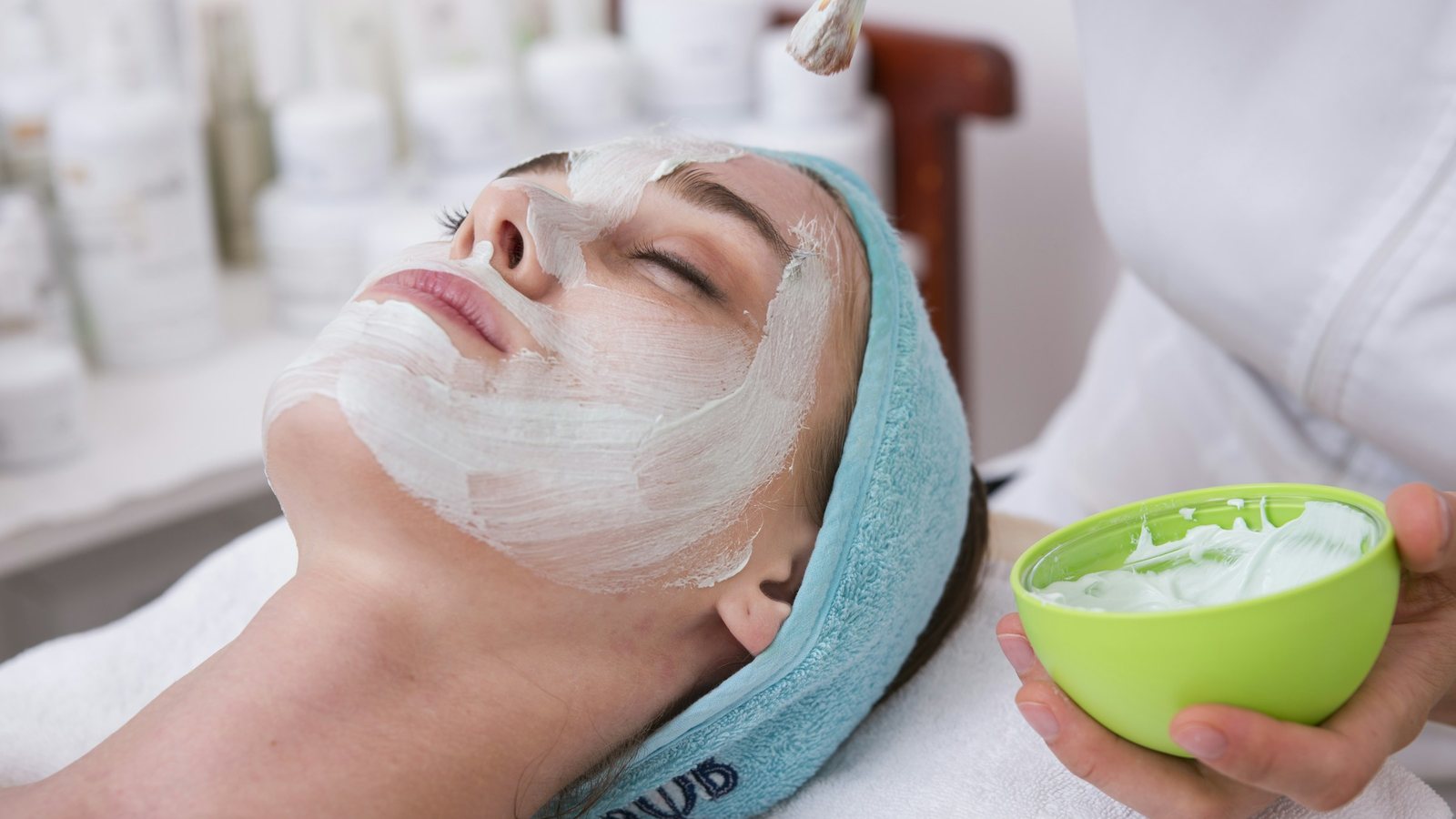
Esthetician Studio
Facials, peels within your license, brow and lash services and skin care sales. A licensed esthetician can start in a rented suite.
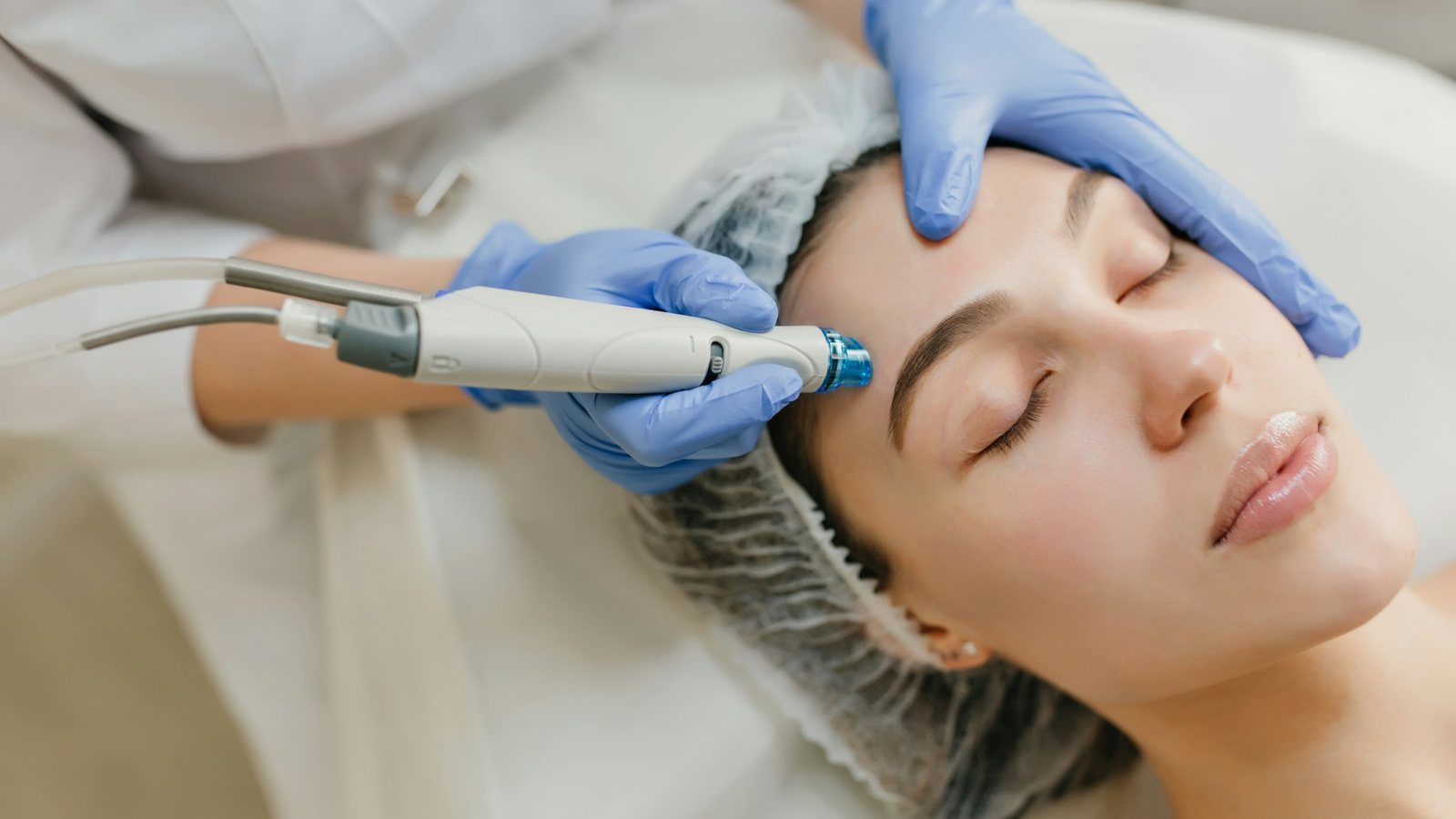
Laser and Energy Treatments
Hair removal, skin resurfacing and tightening devices. Equipment is costly and many states require medical supervision.

Full Med Spa
Injectables, fillers, lasers and skin care under a medical director, with nurse or physician injectors. Highest revenue, highest rules.
Mobile or Suite Injector Practice
A licensed nurse practitioner or registered nurse, where state law allows, offering injectables in a rented suite with proper supervision.
Aesthetics Training and Education
Courses for licensed providers on injection technique, safety and business. Requires deep experience and credentials.
Med Spa Support Services
Booking, marketing, photography, bookkeeping or compliance help for med spas. No medical license needed.
Side Hustle or Full Business?
Start as a Side Hustle
- Licensed estheticians and nurses can start with a few evening or weekend appointments.
- Non-clinicians can serve med spas with marketing, booking or bookkeeping.
- Referrals and before and after photos (with consent) bring the first clients.
- Good test: do clients rebook within three to four months?
Grow Into a Full Business
- A full med spa needs a medical director, licensed injectors and a front desk.
- Expect malpractice insurance, equipment, a lease and compliance work.
- Add injectors when your calendar is full two weeks out.
- Memberships and treatment plans turn visits into recurring revenue.
Inksight’s Scorecard for a Med Spa Business
Medical licensing, supervision rules and equipment make a full med spa hard to start.
Only for licensed providers or for support services like marketing.
Med spa counts and injectable treatments keep rising.
AmSpa reports average revenue of about $1.4 million per med spa.
Multi-location groups are common once systems and staffing work.
This scorecard is Inksight’s opinion based on the data above. It is not a guarantee of results.
Getting StartedHow to Start a Med Spa Business
- Learn your state’s rules firstWho may own a med spa, who may inject, and what supervision is required all vary by state. Talk to a health care attorney before you sign a lease.
- Line up a medical directorMost med spas need a physician or other qualified provider to oversee treatments, write protocols and handle complications.
- Hire licensed, trained injectorsNurse practitioners, physicians and, where allowed, registered nurses perform injections. Check training and experience.
- Buy only from authorized sourcesThe FDA says providers must buy prescription drugs from authorized sources and check for counterfeits. Use only FDA-approved fillers.
- Get the right insuranceMedical malpractice for providers, general liability for the business, and coverage for equipment and the lease.
- Start with a focused menuBegin with injectables and skin care, then add lasers once demand and staff are proven.
- Build a rebooking systemTreatment plans, reminders and memberships keep patients coming back every few months.
Know Before You StartThe Hard Parts
- It is medical. Injections and many lasers are medical procedures. The FDA says fillers should be given by licensed, trained providers.
- Counterfeits are a real risk. In 2024 the FDA warned of counterfeit Botox given in unlicensed settings. Buy only from authorized sources.
- Rules vary by state. Ownership, supervision and delegation rules differ, and breaking them can end a practice.
- Startup costs are high. Lasers, product inventory, build-out and staff add up before the first patient walks in.
None of these are reasons to skip the idea. They are why well-run, fully compliant med spas earn patient loyalty and strong revenue. Start with the right medical partners, follow the rules closely, and let safe, natural results bring patients back.
Key Takeaways
- U.S. med spas grew from 8,899 in 2022 to 10,488 in 2023 (AmSpa).
- ASPS counted 9.9 million neuromodulator injections in 2024, and they were half of all minimally invasive treatments in 2025.
- BLS projects 41% job growth for nurse practitioners and 9% for skincare specialists from 2025 to 2035.
- A full med spa is a medical practice: it needs licensed injectors, a medical director and state-by-state compliance.
- Non-clinicians can enter through support services; estheticians can start with a skin care studio.
QuestionsFrequently Asked Questions
Is a med spa business profitable?
It can be. AmSpa reports average annual revenue of $1,398,833 per med spa in its 2024 report, and 73% of patients are repeat patients. Costs are also high: licensed staff, a medical director, equipment, products and insurance.
Can I start a med spa business as a side hustle?
A full med spa is not a side hustle. Licensed estheticians and nurses can start with a few appointments in a rented suite where state law allows, and non-clinicians can offer marketing, booking or bookkeeping services to med spas.
Do I need a license to open a med spa?
Yes. Injections and many laser treatments are medical procedures, so you need licensed providers and usually a medical director. Who may own a med spa and who may inject vary by state. Check with your state medical and nursing boards and a health care attorney.
What are the most popular med spa treatments?
Neuromodulator injections such as Botox made up 50% of minimally invasive treatments in 2025, and hyaluronic acid fillers made up 30% (ASPS). Laser skin treatments and laser hair removal follow.
How much do skincare specialists and nurse practitioners earn?
The BLS reports a median wage of $45,330 a year for skincare specialists and $132,300 for nurse practitioners (May 2025). Med spa owners can earn more, or less, depending on revenue and costs.
Sources
- AmSpa: 2024 Medical Spa State of the Industry executive report recap (Nov. 6, 2024)
- ASPS: 2025 plastic surgery statistics
- ASPS: 2024 procedural statistics release (June 25, 2025)
- ASPS: 2023 procedural statistics release (June 25, 2024)
- ASPS: 2022 procedural statistics release (Sept. 26, 2023)
- BLS Occupational Outlook Handbook: Nurse anesthetists, nurse midwives, and nurse practitioners
- BLS Occupational Outlook Handbook: Skincare specialists
- BLS: Employment Projections 2025-35 (Aug. 27, 2026)
- FDA: Dermal fillers (soft tissue fillers)
- FDA: Counterfeit version of Botox found in multiple states (April 16, 2024)