Trending Business Ideas · Custom Merch and Print on Demand
Branded T-shirts, hats, mugs and bags are a record $27.7 billion market in North America. A print on demand business lets you sell your own designs without stocking inventory, and a custom merch shop can grow into a full promotional products company.
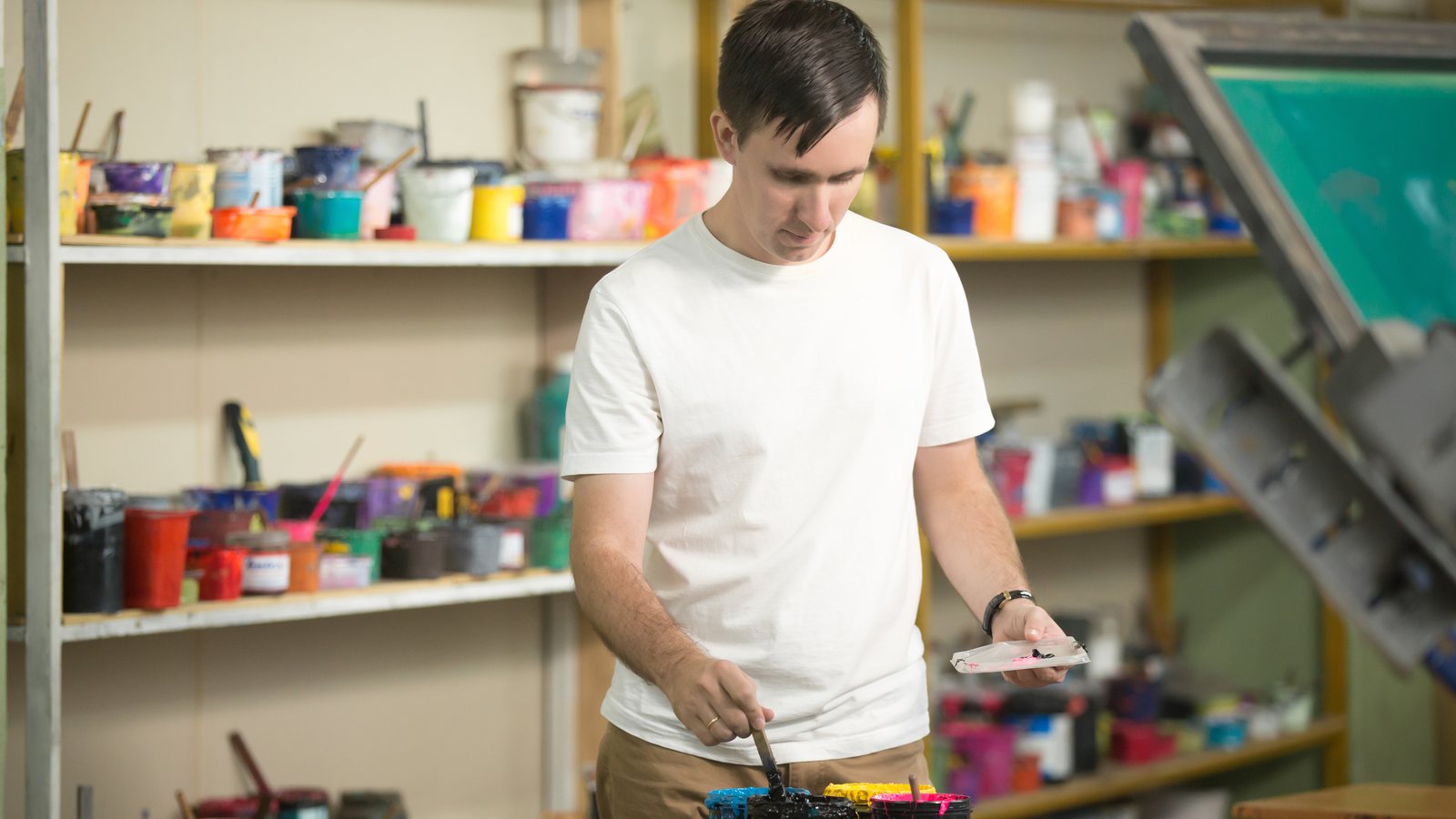
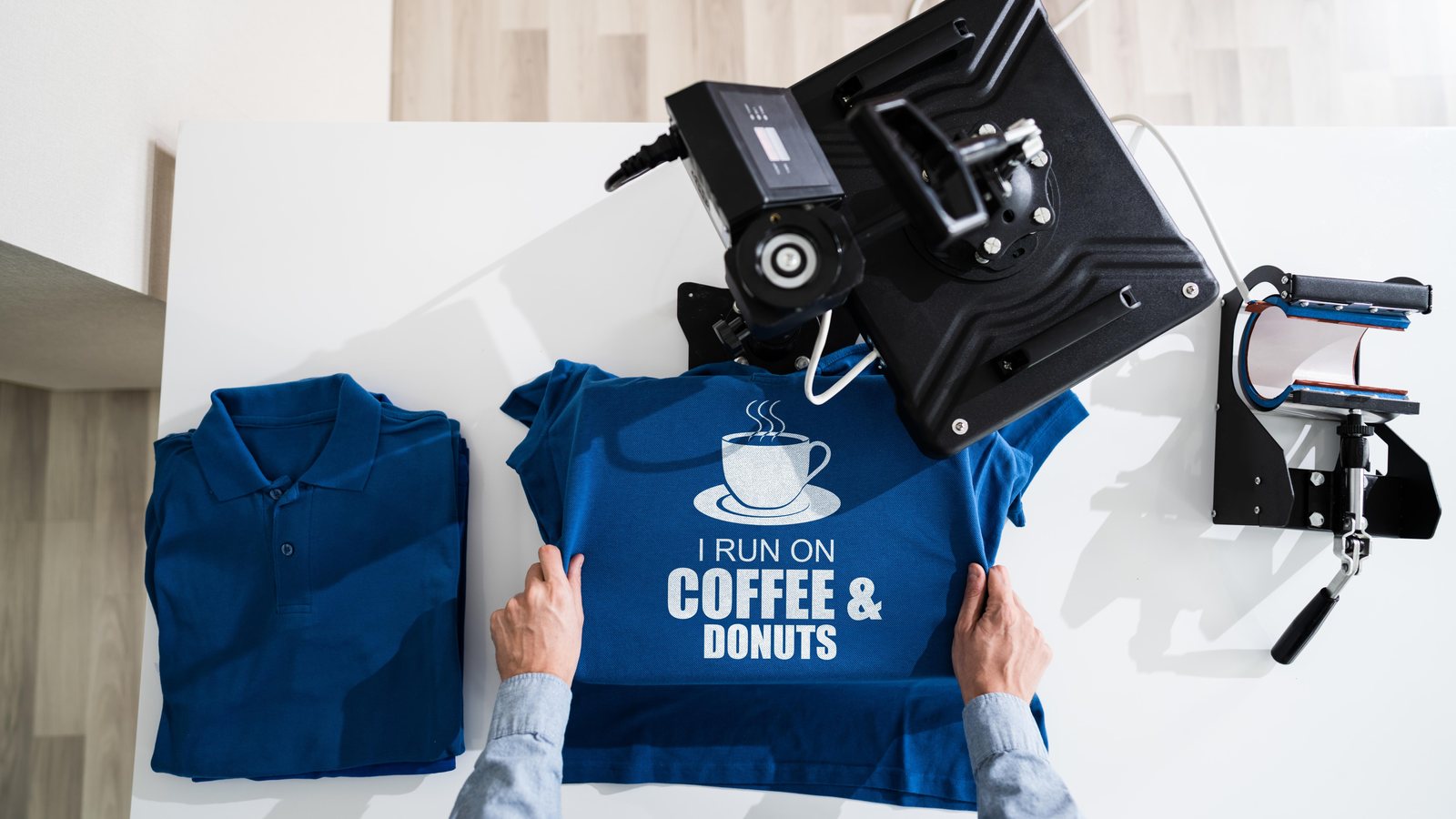
Printing shirts by hand. Custom apparel is the heart of most merch businesses. Photo: sajeevanctk98 on Magnific.
The MarketBranded Merch Is a $27 Billion Business
The Advertising Specialty Institute (ASI) estimates that North American promotional products distributors sold a record $27.7 billion in 2025, up 4.2% from 2024. That covers the shirts, hats, mugs, pens and bags that companies, schools, teams and events order with their logos. The Promotional Products Association International (PPAI) uses a different method and puts U.S. distributor sales at $27.1 billion in 2025, up 1.3%.
Small sellers have real room in this market. PPAI found that distributors with under $2.5 million in yearly sales made 46% of U.S. sales, just over $12.5 billion, and their online sales grew 11.4% in 2025. Online sales reached $7.1 billion, or 26.3% of the total. Census counted 35,735 one-person printing businesses in 2024, up from 31,833 in 2022.
Who Sold U.S. Promotional Products in 2025
- Large distributors, over $2.5M in sales$14.6B
- Small distributors, under $2.5M in sales$12.5B
Source: PPAI 2025 U.S. Distributor Sales Volume Estimate (Jan. 12, 2026).
North American Promotional Products Sales, in Billions
Source: ASI (Feb. 2025, Jan. 2026 and Counselor State of the Industry, Aug. 2026). 2021 and 2023 dollar totals were not given in these releases.
Promo sales fell nearly 20% in 2020, then climbed to a record.
$27.7 billion in 2025 (ASI)
Why NowOnline Ordering and Print on Demand Lowered the Barrier
A decade ago, selling custom shirts meant buying screens, ink and boxes of blank shirts. Today print on demand partners print and ship each order only after it sells, and online design tools let clients approve a mockup in minutes. Small distributors are using these tools: their online sales grew 11.4% in 2025, far faster than the market as a whole.
Prices rose too. ASI found that nearly 90% of distributors raised prices in 2025, by about 11% on average among those that did, while inflation was about 2.7%. Some of the 2025 growth came from higher prices, not more items sold, so watch your own costs closely.

The IdeasSix Ways to Make Money With Custom Merch
Each of these can start small. The tags show whether it fits best as a side hustle, a full business, or both.
Print on Demand Store
Sell your own designs on shirts, mugs and posters through an online store or marketplace. A partner prints and ships each order, so there is no inventory.
Heat Press and DTF Shop
Print small custom orders in house with a heat press or direct-to-film transfers: team shirts, family reunions and small businesses.

Promotional Products Distributor
Sell branded items to companies, schools and events, sourced from suppliers. You handle the art, quotes and client service.
Screen Printing Shop
Larger runs of shirts and hoodies at a lower cost per piece. More equipment and space, but strong repeat orders.
Embroidery
Hats, polos and jackets for businesses, clubs and uniforms. Embroidery looks premium and earns repeat work.
Event and Team Merch
Merch tables and online pop-up stores for teams, schools, bands and fundraisers. Pre-orders mean you print only what sells.
Side Hustle or Full Business?
Start as a Side Hustle
- A print on demand store with a few strong designs.
- Or a heat press at home for small local orders.
- Spend on designs and marketing, not inventory.
- Good test: do designs sell without paid ads, and do local clients reorder?
Grow Into a Full Business
- Promotional products for businesses, schools and events.
- In-house printing or embroidery for faster turnaround.
- Expect equipment, space, samples and supplier accounts.
- Repeat business clients bring steady orders all year.
Inksight’s Scorecard for a Print on Demand Business
Print on demand needs no inventory; a heat press is a small step up.
Online stores and small local orders fit evenings and weekends.
Record sales in 2025, but much of the growth came from higher prices.
Print on demand margins are thin; in-house printing and business clients pay better.
Business clients, equipment and staff can grow a shop into a full company.
This scorecard is Inksight’s opinion based on the data above. It is not a guarantee of results.
Getting StartedHow to Start a Print on Demand Business
- Pick a nicheChoose a group you understand: a hobby, a job, a sport, a pet breed or local businesses. Niche designs sell better than generic ones.
- Create original designsDraw or commission your own art. Never print logos, characters or slogans you do not own; trademarks and copyrights are protected by law.
- Choose how you printStart with a print on demand partner for online sales, or a heat press for local orders. Order samples to check quality before you sell.
- Price for real marginsAdd the blank item, printing, shipping, platform fees and returns, then set prices. Thin margins are the most common mistake.
- Set up your storeOpen an online store or marketplace shop with clear mockups, sizes and shipping times. Get a business license and a seller’s permit for sales tax.
- Sell to local businessesOffer shirts, hats and promo items to businesses, schools, teams and nonprofits. Business clients reorder every year.
- Follow product rulesProducts made for children under 12 need third-party testing and a Children’s Product Certificate (CPSC). Check this before you sell kids’ items.
Know Before You StartThe Hard Parts
- Margins can be thin. Print on demand partners charge per item, so after fees and shipping, little may be left. Price carefully.
- Designs get copied. Popular designs are quickly copied by other sellers, so keep making new work and build a brand.
- Intellectual property matters. Printing a team logo, character or brand you do not own can lead to takedowns and legal claims.
- Costs are rising. Nearly 90% of distributors raised prices in 2025 (ASI), by about 11% on average among those that did.
None of these are reasons to skip the idea. They are why the best merch sellers focus on a niche and on business clients: original designs and dependable service bring repeat orders. Start with a few designs or a few local clients, and grow from what sells.
Key Takeaways
- North American promotional products sales hit a record $27.7 billion in 2025, up 4.2% (ASI).
- Distributors under $2.5 million in sales made 46% of U.S. sales, and their online sales grew 11.4% (PPAI).
- Census counted 35,735 one-person printing businesses in 2024, up 12% from 2022.
- Print on demand needs no inventory; in-house printing and business clients bring better margins.
- Print only original designs, price for real margins, and follow children’s product rules.
QuestionsFrequently Asked Questions
Is a print on demand business profitable?
It can be, but margins are thin because a partner charges for each printed item. Business clients and in-house printing usually pay better. Census data show one-person printing businesses averaged about $48,000 in receipts in 2024, before costs.
Can I start a print on demand business as a side hustle?
Yes. Print on demand is one of the easiest side hustles to start: you upload designs, and a partner prints and ships each order. A heat press for local orders also fits evenings and weekends.
Do I need a license to sell custom merch?
Most places require a business license and a seller’s permit to collect sales tax. Products for children under 12 need third-party testing and a Children’s Product Certificate (CPSC). Only print designs you own. See the SBA’s licenses and permits guide.
What is the difference between print on demand and promotional products?
Print on demand sells your own designs to shoppers one item at a time. Promotional products are items printed with a company’s logo, sold to businesses, schools and events, usually in larger orders.
How big is the custom merch market?
ASI estimates North American promotional products sales at a record $27.7 billion in 2025, up 4.2%. PPAI puts U.S. distributor sales at $27.1 billion, with $7.1 billion sold online.
Sources
- ASI: North American promotional products industry grows 4.2% in 2025 to record $27.7 billion (Jan. 21, 2026)
- ASI: Record $26.6 billion in annual sales for promo products industry (Feb. 11, 2025)
- ASI Counselor: State of the Industry 2026, economic indicators (Aug. 5, 2026)
- PPAI Research: U.S. distributor sales reached new height in 2025 (Jan. 12, 2026)
- U.S. Census Bureau: County Business Patterns 2018-2023 datasets (2023 is the latest year)
- U.S. Census Bureau: Nonemployer Statistics 2022-2024 datasets (2024 is the latest year)
- USPTO: Trademark basics
- CPSC: Children’s products (testing and certification)
- SBA: Apply for licenses and permits