Trending Business Ideas · Content Creation and UGC
U.S. brands spent about $37 billion on creators in 2025, and the total is growing four times faster than media overall. You do not need a big following to get a share: a UGC creator makes short, real-looking videos and photos that brands run as their own ads.
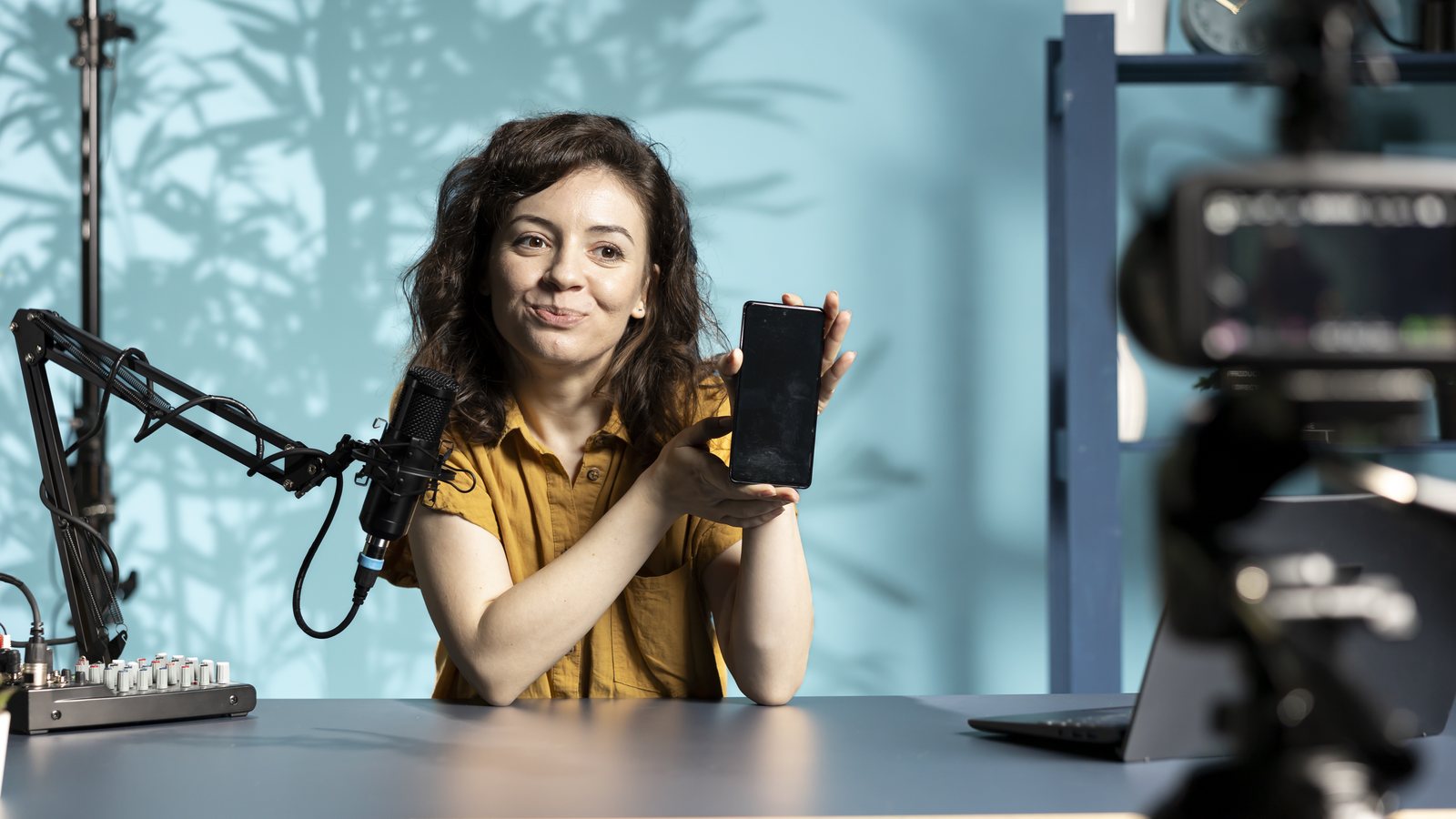
A phone, good light and a clear script are the basic kit for user-generated content. Photo: DC Studio on Magnific.
The MarketBrands Now Treat Creators As a Core Ad Channel
The Interactive Advertising Bureau (IAB) estimates that U.S. brands spent $37 billion on creator advertising in 2025, up 26% from 2024 and nearly four times the 5.7% growth of the media industry overall. That spending was $13.9 billion in 2021 and $29.5 billion in 2024. In its April 2026 report with PwC, the IAB called creators a core media channel and projected $44 billion for 2026.
Much of that money pays established influencers, but a growing share pays for user-generated content, or UGC: videos and photos made by everyday people that brands post on their own pages and run as ads. Brands like it because it looks real and costs less than a studio shoot. In the IAB survey, 48% of ad buyers called creators a “must buy,” behind only social media and paid search.
U.S. Creator Ad Spend, in Billions
Source: IAB Creator Economy Ad Spend and Strategy Report (Nov. 2025) and IAB/PwC Internet Advertising Revenue Report (April 2026). The IAB did not publish 2022-23 in these releases. *2026 is a projection.
48% of ad buyers now call creators a “must buy.”
Behind only social media and paid search (IAB, 2025)
Why NowBrands Need More Video Than Ever
Social media ads grew 32.6% in 2025 to $117.7 billion, according to the IAB and PwC report. Every one of those ads needs fresh video, and short-form platforms reward new content every week. Most brands cannot film that much in-house, so they hire creators. The IAB found that brand awareness (43%) and reaching new audiences (41%) are the top goals for creator campaigns.
The work is built for self-employment. The U.S. Bureau of Labor Statistics (BLS) reports that 64.8% of writers and authors and 35.5% of film and video editors were self-employed in 2025. Census counted 1,115,783 one-person independent artist, writer and performer businesses in 2024, up from 1,067,295 in 2022.
The IdeasSix Ways to Make Money Creating Content
Each of these can start small. The tags show whether it fits best as a side hustle, a full business, or both.
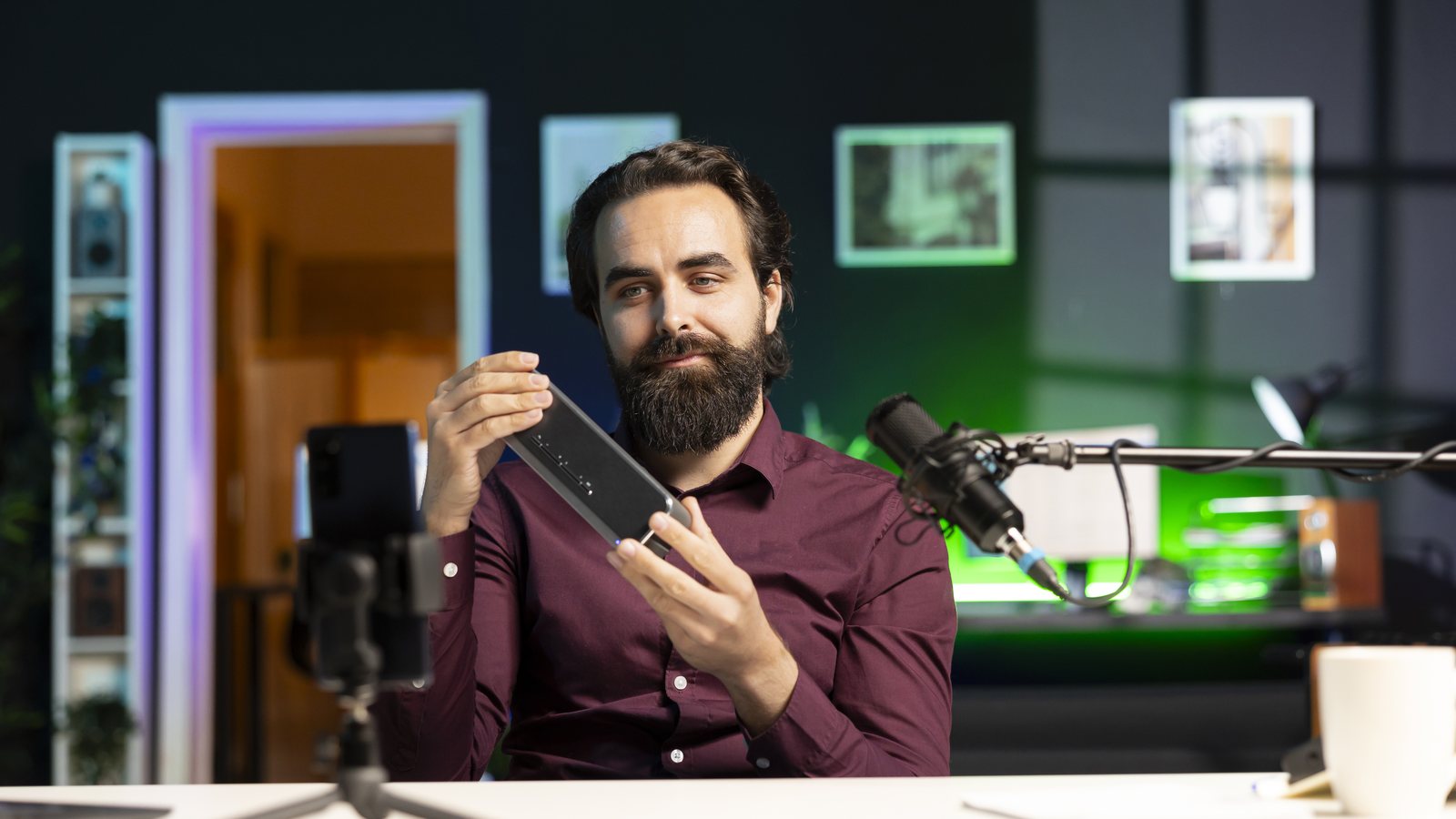
UGC Videos for Brands
Film unboxings, reviews, how-tos and testimonials that brands post as ads. No following needed; your portfolio gets you hired.
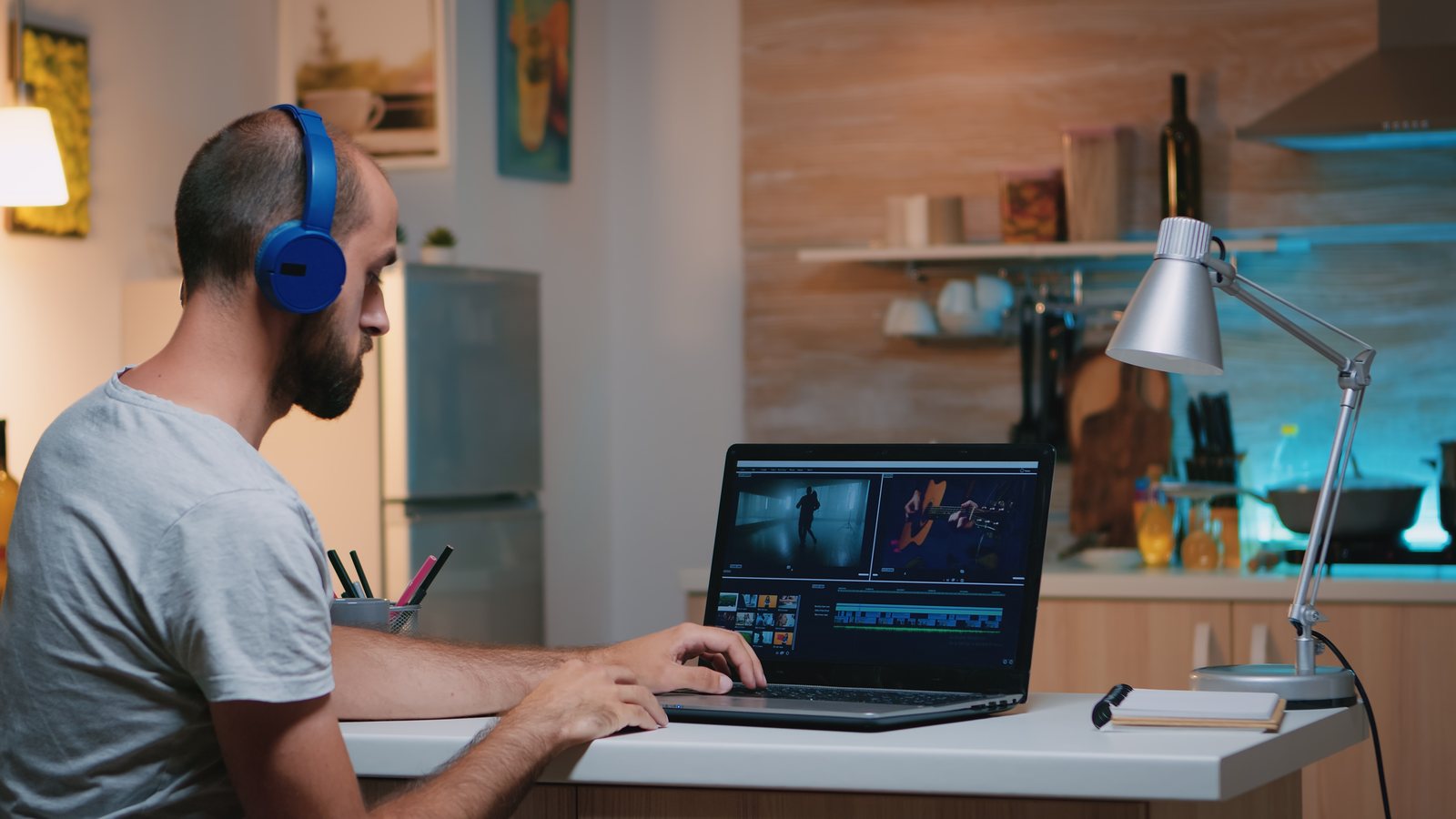
Video Editing and Captions
Edit raw clips into short ads with captions, hooks and music for creators and brands. Steady work for people who like the computer side.

Local Business Content Packages
Plan, shoot and post content each month for restaurants, salons, gyms and shops. Monthly retainers bring steady income.
Niche Creator Channel
Build your own audience around a topic you know, then earn from sponsors, affiliate links and platform payouts. Slower to start, but you own it.
Product Photography
Clean product photos and lifestyle shots for online stores and marketplaces. A phone, light and simple backdrops go a long way.
UGC Agency
Match brands with a team of creators, write the briefs and handle edits and delivery. You earn on every project the team completes.
Side Hustle or Full Business?
Start as a Side Hustle
- Make five to ten sample videos for products you already own.
- Pitch small brands and use creator marketplaces for first jobs.
- Work evenings and weekends with a phone, light and microphone.
- Good test: do brands rehire you or refer you to others?
Grow Into a Full Business
- Monthly retainers with brands and local businesses.
- Add editing, ad scripts and usage rights to raise each project’s value.
- Hire editors or other creators to take on more work.
- Clear contracts, invoices and taxes matter as income grows.
Inksight’s Scorecard for a UGC Creator Business
A phone, good light and a few sample videos are enough to begin.
Filming and editing fit around a day job, on your own schedule.
Creator ad spend grew 26% in 2025, four times faster than media overall.
Low costs, but rates vary widely and new creators start low.
Growth means retainers, an editing team or an agency model.
This scorecard is Inksight’s opinion based on the data above. It is not a guarantee of results.
Getting StartedHow to Become a UGC Creator
- Pick a nicheChoose products you know and use: beauty, food, pets, tech, fitness or home. Brands like creators who fit their buyers.
- Make a portfolioFilm five to ten sample videos with products you already own. Show different formats: unboxing, review, how-to and before-and-after.
- Set up simple gearA recent phone, a ring light or window light, a clip-on microphone and a free editing app are enough to start.
- Set your rates and termsPrice per video, then charge extra for raw footage, edits and the brand’s right to run your video as a paid ad, called usage rights.
- Find clientsPitch small brands directly, join creator marketplaces, and offer content packages to local businesses.
- Follow the disclosure rulesIf a brand pays you or sends free products and you post about it, the FTC says you must clearly disclose the relationship.
- Run it like a businessUse written agreements, send invoices, track income and set aside money for self-employment taxes.
Know Before You StartThe Hard Parts
- Income is uneven. Projects come and go, and brands may pay weeks after delivery. Keep a cash cushion.
- Competition is growing. Anyone with a phone can apply, so a strong portfolio and reliable delivery set you apart.
- Rules apply. The FTC requires clear disclosure of paid or gifted posts, and contracts should spell out who owns the content and for how long.
- AI is changing the work. Nearly three in four creator ad buyers use or plan to use AI (IAB, 2025), but 95% have concerns about it, including the loss of human connection.
None of these are reasons to skip the idea. They are why creators who treat it as a business do well: brands rehire people who deliver on time, follow the brief and make content that feels real. Start with a portfolio, land a few clients, and build from there.
Key Takeaways
- U.S. creator ad spend reached $37 billion in 2025, up 26%, and is projected at $44 billion in 2026 (IAB).
- Creator ad spend is growing about four times faster than the 5.7% growth of all media.
- UGC creators make videos brands post as their own ads, so no large following is needed.
- 64.8% of writers and 35.5% of film and video editors were self-employed in 2025 (BLS).
- Build a portfolio, price usage rights separately, and follow the FTC’s disclosure rules.
QuestionsFrequently Asked Questions
Is UGC creation profitable?
It can be. Costs are low, and U.S. creator ad spend reached $37 billion in 2025 (IAB). Rates vary widely by experience, niche and usage rights. Census data show one-person independent artist, writer and performer businesses averaged about $32,000 in receipts in 2024, before costs.
Can I be a UGC creator as a side hustle?
Yes. UGC is one of the most flexible side hustles: you film and edit on your own schedule, and you do not need a large following because brands post the content on their own pages.
Do I need a license to be a UGC creator?
Most places require a general business license or registration for a home business. If you post sponsored or gifted content, the FTC requires clear disclosure. Check your city and state, and see the SBA’s licenses and permits guide.
Do I need followers to make UGC?
No. UGC creators are paid for the content, not for their audience. A portfolio of sample videos matters more than follower counts.
How do content creators get paid?
UGC creators are usually paid per video or per package, plus fees for usage rights and edits. Creators with their own audience also earn from sponsors, affiliate links and platform payouts.
Sources
- IAB: Creator economy ad spend to reach $37 billion in 2025 (Nov. 20, 2025)
- IAB and PwC: Internet Advertising Revenue Report, full year 2025 (April 16, 2026)
- BLS: Occupational projections and worker characteristics, 2025-35 (table 1.7)
- BLS: Employment Projections 2025-35 (Aug. 27, 2026)
- U.S. Census Bureau: Nonemployer Statistics 2022-2024 datasets (2024 is the latest year)
- FTC: Disclosures 101 for social media influencers
- SBA: Apply for licenses and permits