Trending Business Ideas · Specialty Coffee
Two in three American adults drink coffee every day, and a record 48% had specialty coffee in the past day in 2026. A coffee business can start as a weekend cart, grow into a drive-thru stand, and become a small cafe once regulars know your name.
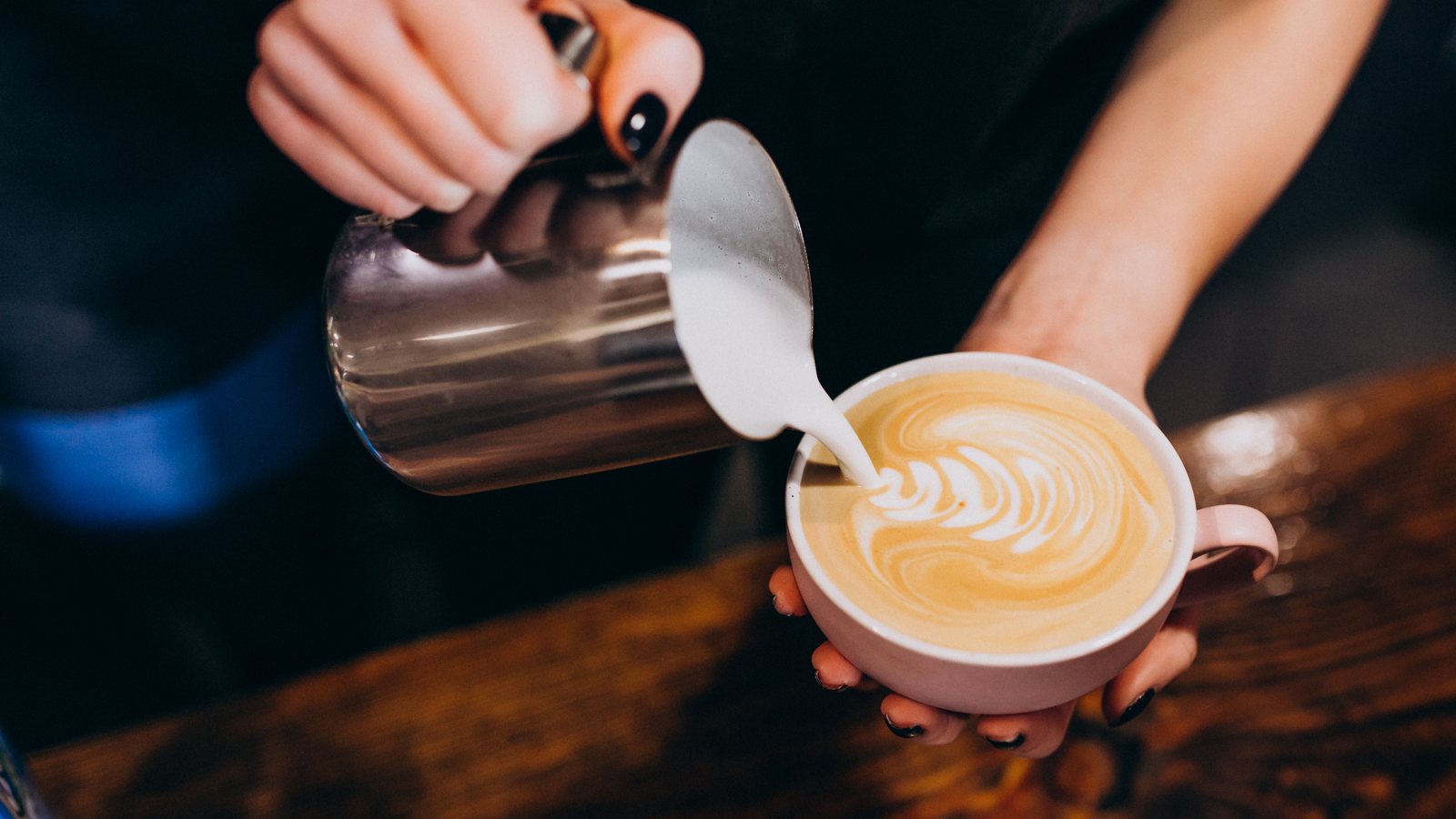
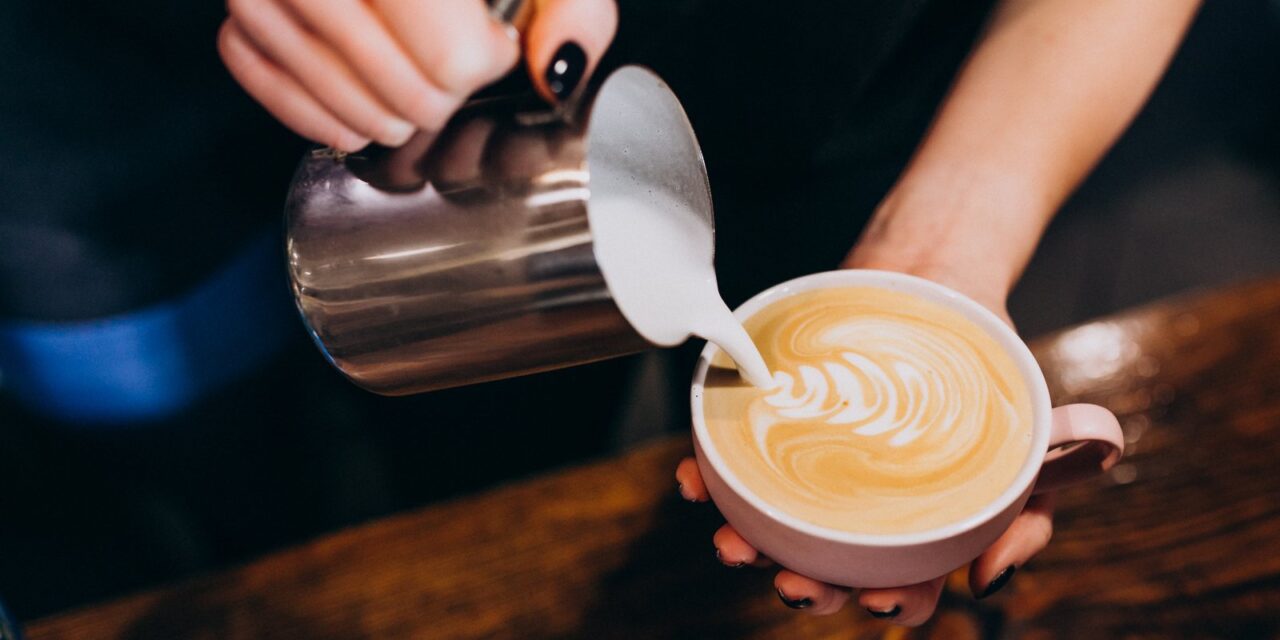
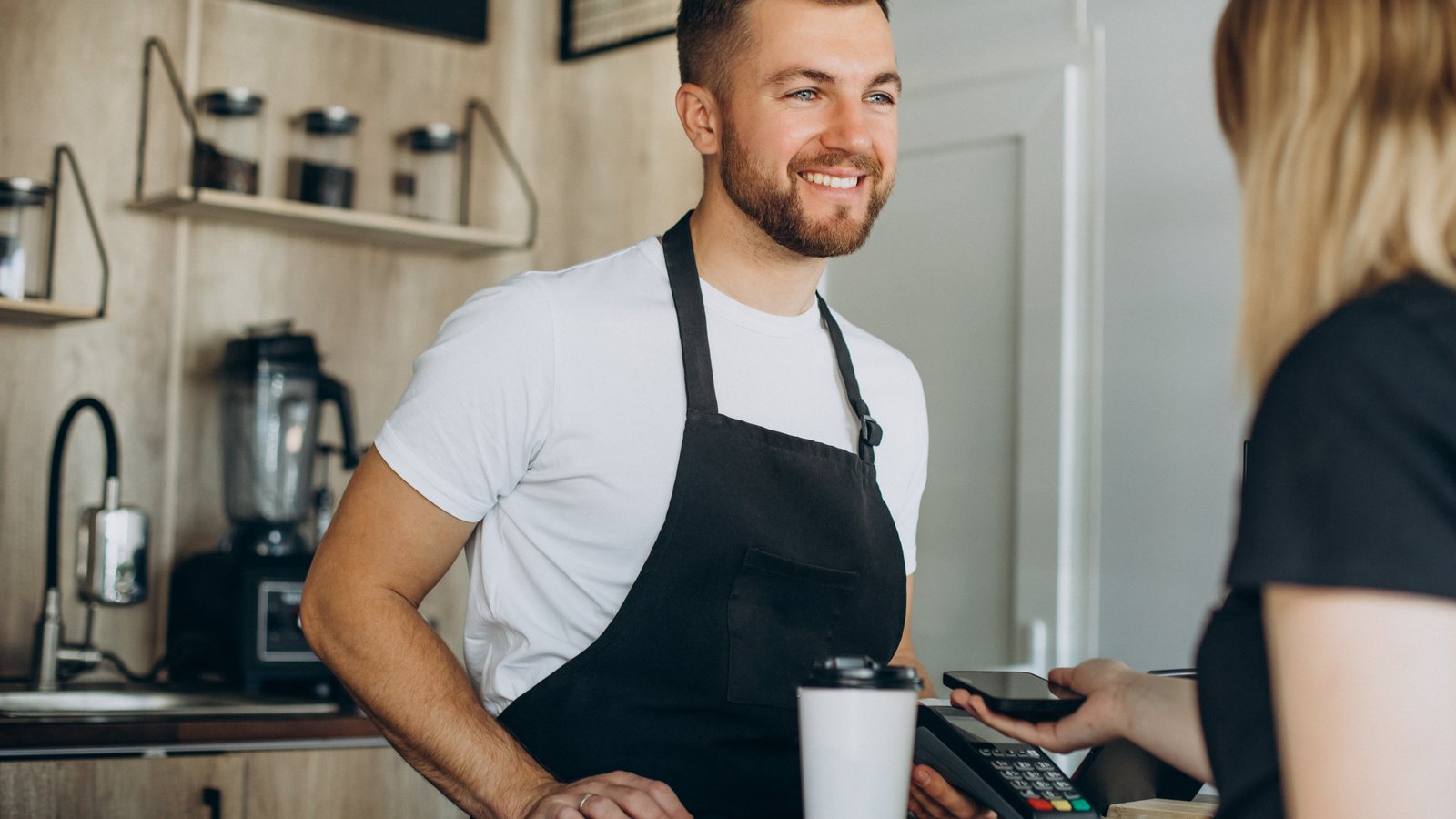
A barista at work. Quality and speed are what bring regulars back every morning. Photo: Babaleo_Motion on Magnific.
The MarketCoffee Is America’s Most Popular Drink
The National Coffee Association (NCA) reported in September 2026 that 66% of American adults drank coffee in the past day, more than any other beverage. Specialty coffee, the espresso drinks, lattes, cold brew and pour-overs that small shops sell, reached a record 48% of adults in the past day. More adults now drink specialty coffee than traditional coffee.
More of that coffee is being bought away from home. Among past-day coffee drinkers, 38% had coffee prepared out of home, the highest level since January 2020. Census counts coffee shops with juice, smoothie, donut and ice cream shops as snack and nonalcoholic beverage bars. Those with paid employees grew from 65,865 in 2018 to 85,140 in 2023, and Census counted another 22,060 one-person shops in 2024.
U.S. Coffee, Juice and Snack Bars With Paid Employees
Source: U.S. Census Bureau, County Business Patterns, NAICS 722515 Snack and Nonalcoholic Beverage Bars (coffee shops are the largest part), in thousands. 2023 is the latest year.
55% of people who bought coffee out of home ordered at a drive-thru.
And a record 40% ordered on an app (NCA, 2026)
Why NowSpecialty Drinks and Drive-Thrus Are Growing
Two trends favor small, fast coffee businesses. First, people want specialty drinks: a record 47% of adults had an espresso-based drink in the past week in 2026, up 17.5% since 2022, and cold coffee rose to 21% of past-day drinkers from 16% in 2022. Those drinks sell for more than a cup of drip coffee. Second, buyers want speed: a drive-thru stand or a cart near a busy entrance meets them where they are.
Jobs are growing too. The U.S. Bureau of Labor Statistics (BLS) projects fast food and counter workers, the group that includes baristas, to grow 6% from 2025 to 2035, and all food and beverage serving workers to grow 5%. Both beat the 3.5% pace for all jobs.
The IdeasSix Ways to Make Money With Coffee
Each of these can start small. The tags show whether it fits best as a side hustle, a full business, or both.
Drive-Thru Coffee Stand
A small building or kiosk on a busy commuter road. No dining room to staff and fast service; the morning rush brings most of the sales.
Mobile Coffee Cart
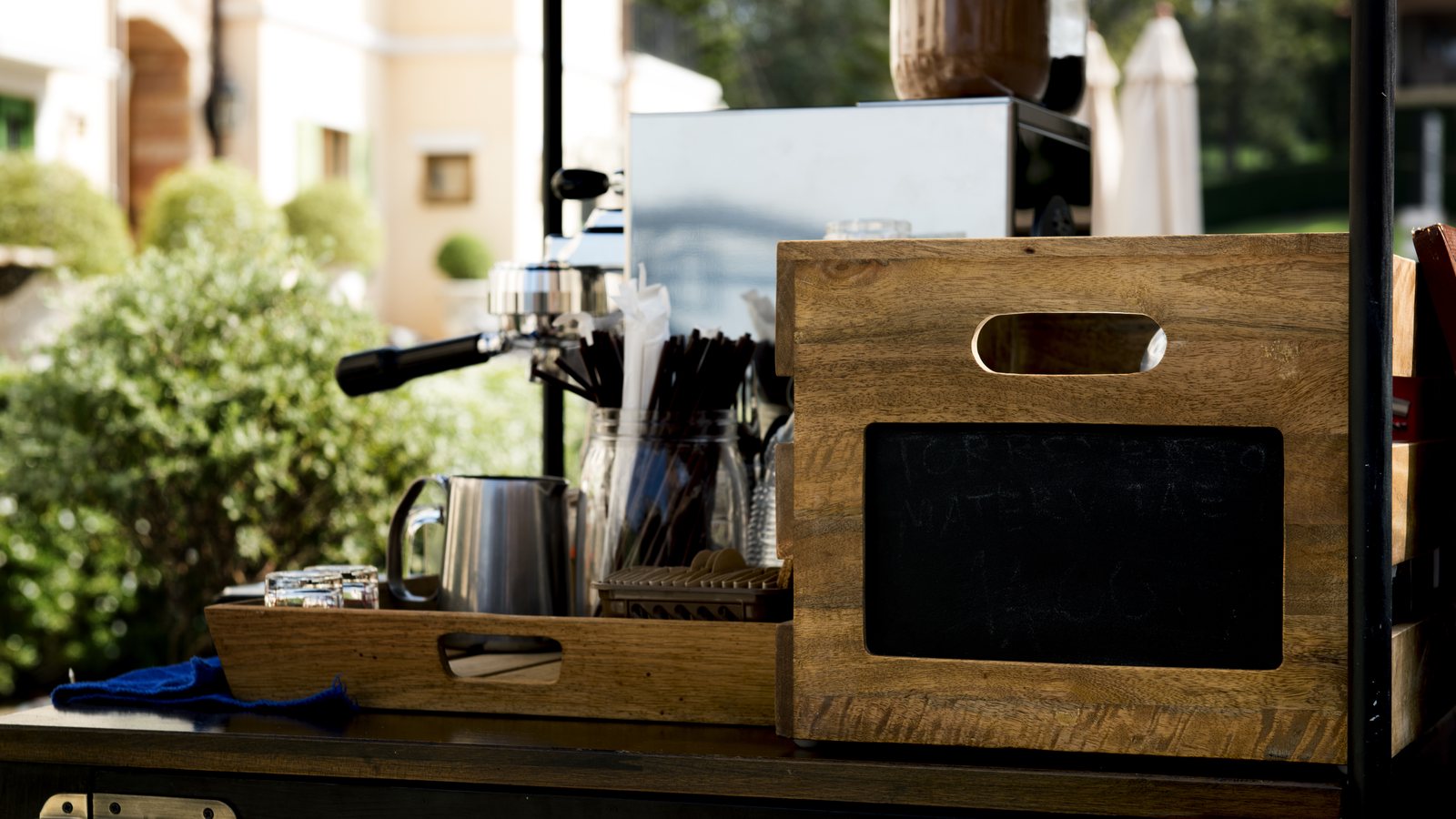
An espresso cart at farmers markets, sports games, weddings and office events. Event bookings pay a set fee or a minimum.
Small Neighborhood Cafe
Seating, pastries and a place to meet. More rent and staff, but also more sales per visit and a loyal local crowd.
Coffee Truck or Trailer
A truck or trailer that follows the crowds: office parks, schools, games and festivals. More flexible than a fixed stand.
Small-Batch Roasting
Roast beans and sell bags online, at markets and to local offices and cafes. Roasting for sale is food production, so check your state’s food rules first.
Office and Event Coffee Service
Bring an espresso bar to offices, conferences and open houses on a schedule. Business clients book again and again.
Side Hustle or Full Business?
Start as a Side Hustle
- A cart at weekend markets, games and private events.
- Rent time in a licensed kitchen for prep and cleaning.
- Learn your best sellers and your busiest hours.
- Good test: do you sell out most weekends and get event requests?
Grow Into a Full Business
- A drive-thru stand, a truck or a small cafe open every morning.
- Expect a lease, build-out, permits, staff and equipment costs.
- An app or loyalty program brings regulars back.
- Add food, catering and bagged beans for more sales per visit.
Inksight’s Scorecard for a Coffee Business
A cart is affordable; a stand or cafe needs a site, permits and equipment.
Carts and events work on weekends; a stand opens early every day.
Specialty coffee hit a record 48% of adults in the past day in 2026.
Drinks have good markups, but rent, labor and bean prices add up.
Stands and carts can be copied in new spots; roasting adds a second product.
This scorecard is Inksight’s opinion based on the data above. It is not a guarantee of results.
Getting StartedHow to Start a Coffee Business
- Pick your formatChoose a cart, a drive-thru stand, a truck or a small cafe. Start with the one that fits your money and your time.
- Find your spotLook for busy morning traffic: commuter roads, office parks, schools, gyms and markets. A drive-thru needs easy in and out for cars.
- Check health and zoning rulesTalk to your county health department and city planning office first. Coffee stands need a health permit, and drive-thrus often need zoning approval.
- Learn the craftPractice espresso, milk and latte art until every drink is consistent. Train anyone who works with you to the same standard.
- Price every drinkAdd up beans, milk, cups, lids, labor and rent per drink. Specialty drinks carry the margins; drip coffee brings people in.
- Make ordering fastUse a point-of-sale system with card and phone payments, and consider mobile ordering. A record 40% of out-of-home buyers ordered on an app in 2026.
- Reward regularsA punch card or app reward keeps people coming back. Add pastries, cold drinks and bagged beans as you grow.
Know Before You StartThe Hard Parts
- Early mornings, every day. Coffee sells best in the morning rush, so the work starts before sunrise.
- Location decides sales. A stand on the wrong side of a commuter road can struggle no matter how good the coffee is.
- Bean prices move. Tariffs and harvests change coffee prices. The NCA reported that most coffee imports were exempted from reciprocal tariffs in November 2025, but prices can shift again.
- Competition is close. Big chains run drive-thrus and apps too. Quality, speed and a friendly face are how small shops win.
None of these are reasons to skip the idea. They are why the best small coffee businesses are so loyal to their regulars: people buy coffee almost every day, and once they like your drink and your service, they come back. Start with one spot and do it well.
Key Takeaways
- 66% of U.S. adults drank coffee in the past day, and a record 48% had specialty coffee (NCA, Sept. 2026).
- 55% of out-of-home coffee buyers ordered at a drive-thru, and a record 40% ordered on an app.
- Coffee, juice and snack bars with paid staff grew from 65,865 in 2018 to 85,140 in 2023 (Census).
- BLS projects 6% job growth for fast food and counter workers, including baristas, from 2025 to 2035.
- Start with a cart or events, then grow into a drive-thru stand or small cafe in a busy location.
QuestionsFrequently Asked Questions
Is a coffee business profitable?
It can be. Specialty drinks like lattes and cold brew sell for more than they cost to make, and 66% of adults drink coffee daily (NCA, 2026). Rent, labor and bean prices are the big costs. Census data show one-person coffee, juice and snack bars averaged about $45,600 in receipts in 2024, before costs.
Can I start a coffee business as a side hustle?
Yes. A coffee cart at weekend markets, sports games, weddings and office events fits around a day job. A drive-thru stand or cafe that opens every morning is a full-time business.
What permits do I need for a coffee business?
Most places require a business license, a health permit and a food handler certificate. Drive-thru stands often need zoning approval, and carts may need event or vending permits. Local health codes follow the FDA Food Code. See the SBA’s licenses and permits guide.
Is a drive-thru coffee stand a good idea?
Drive-thrus match how many people buy coffee now: 55% of out-of-home coffee buyers ordered at a drive-thru in 2026 (NCA). Success depends on a busy commuter location with easy access.
How much do baristas earn?
BLS groups baristas with fast food and counter workers, who earned a median of $15.00 an hour in May 2025. Owners can earn more, or less, depending on sales, prices and costs.
Sources
- National Coffee Association: Coffee tops beverage charts again, specialty coffee hits new high (Sept. 15, 2026)
- National Coffee Association: Specialty coffee consumption remains at record high (June 2, 2026)
- National Coffee Association: Removal of reciprocal tariffs on most coffee imports (Nov. 14, 2025)
- U.S. Census Bureau: County Business Patterns 2018-2023 datasets (2023 is the latest year)
- U.S. Census Bureau: Nonemployer Statistics 2022-2024 datasets (2024 is the latest year)
- BLS Occupational Outlook Handbook: Food and beverage serving and related workers
- BLS: Employment Projections 2025-35 (Aug. 27, 2026)
- FDA: Food Code (2026 edition)
- SBA: Apply for licenses and permits