Trending Business Ideas · Home and Office Cleaning
Cleaning is one of the largest service jobs in America: 2.4 million janitors and building cleaners worked in 2025, plus about 1.3 million maids and housekeepers. A cleaning business needs no degree and little equipment, and it can start with one house on a Saturday and grow into crews with commercial contracts.
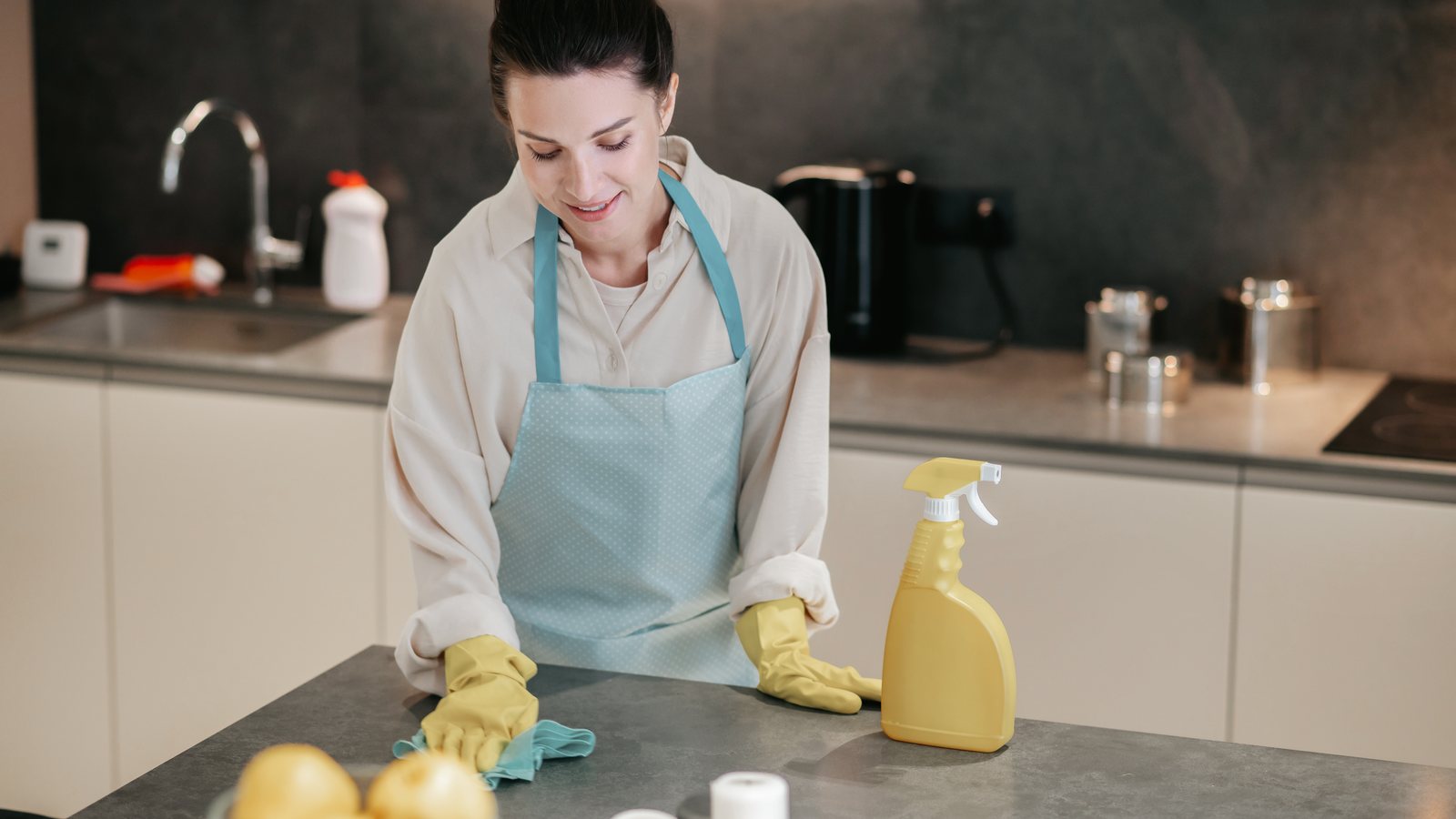
Home cleaning is the easiest place to start. Photo: SkelDry on Magnific.
The MarketA Huge, Steady Service Market
The U.S. Bureau of Labor Statistics (BLS) counted 2,432,600 janitors and building cleaners in 2025. The largest group, 35%, worked for companies that clean buildings and homes for clients, and 5% were self-employed. O*NET, which uses BLS data, lists about 1,332,100 maids and housekeeping cleaners in 2025. Together that is more than 3.7 million people paid to clean.
This is not a fast-growing field. BLS projects 2% growth for janitors from 2025 to 2035, and O*NET shows 1% to 2% for maids, both below the 3.5% pace for all jobs. What it has is size and turnover: BLS expects about 321,800 openings a year for janitors alone, as people change jobs or retire. For a new owner, that means steady demand from clients and a large pool of people who already know the work.
Where Janitors and Building Cleaners Worked in 2025
- Services to buildings and dwellings35%
- Schools and colleges17%
- Healthcare and social assistance7%
- Government5%
- Self-employed5%
- Other31%
Source: BLS Occupational Outlook Handbook. Other is the remainder.
More than a third of all janitors work for cleaning companies, not for the buildings they clean.
35% in services to buildings and dwellings (BLS, 2025)
Why NowBusy Households Buy Back Time
Housework still takes real time. The BLS American Time Use Survey found that in 2025, 87% of women and 75% of men did household activities on an average day. On those days, women spent 2.8 hours and men 2.1 hours on them. Weekends are when most of it happens: 40% of people did housework on weekend days, versus 35% on weekdays.
At the same time, both spouses worked in 49.1% of married-couple families in 2025, according to BLS. Households with two jobs and little free time are the natural clients for a weekly or every-other-week cleaning. On the business side, offices, clinics, gyms, schools and rental properties all need cleaning on a schedule, and many prefer to hire a contractor instead of their own staff.
The IdeasSix Ways to Make Money in Cleaning
Each of these can start small. The tags show whether it fits best as a side hustle, a full business, or both.
Recurring Home Cleaning
Weekly or every-other-week visits to the same homes. A route of loyal clients is the most stable cleaning income.
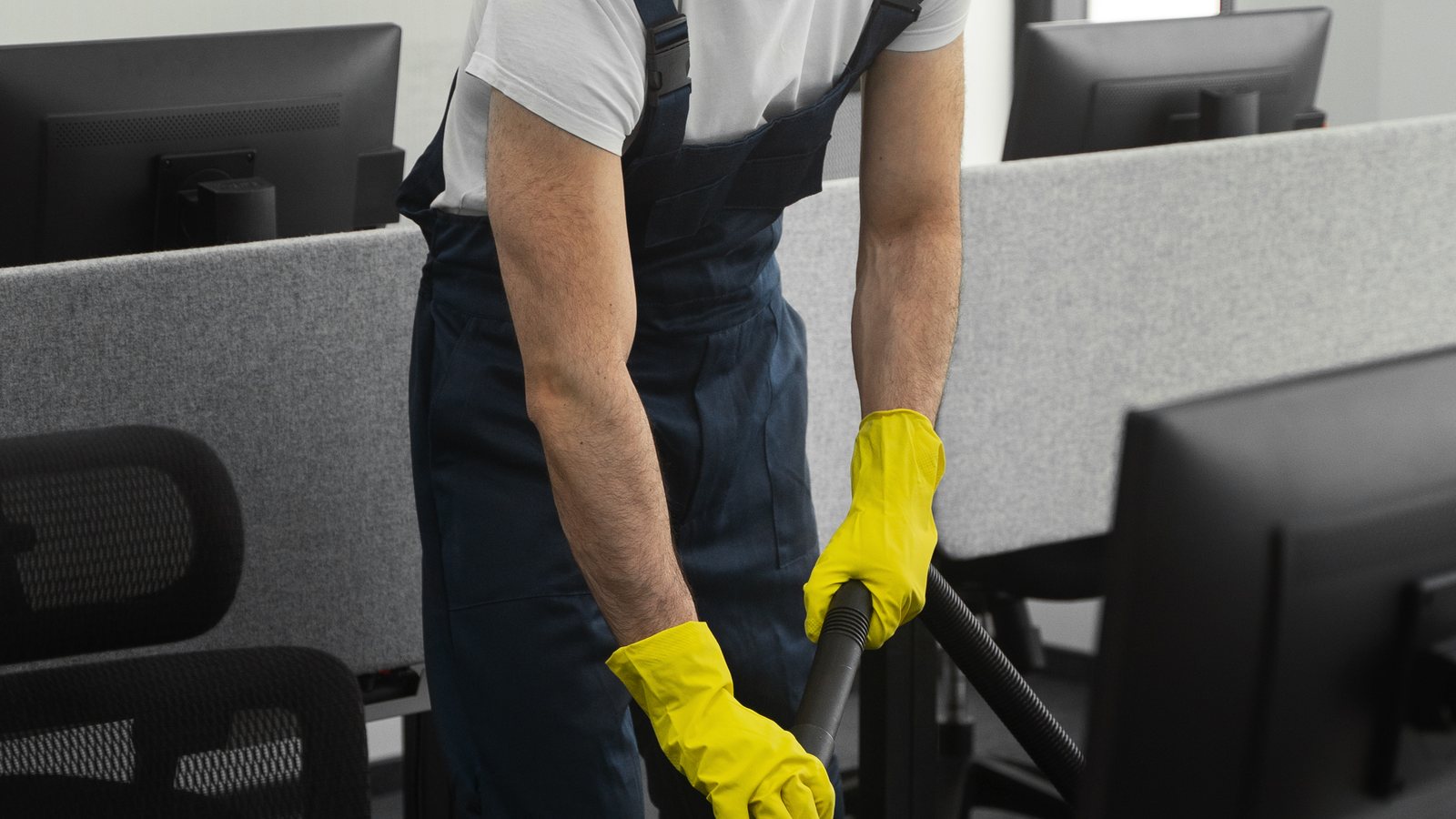
Office and Commercial Cleaning
Evening cleaning for offices, clinics, gyms and stores on monthly contracts. It needs crews, a bond and more insurance, but contracts renew.

Move-In, Move-Out and Deep Cleaning
One-time jobs for renters, landlords, real estate agents and property managers. Higher prices per job and easy to book on weekends.
Short-Term Rental Turnovers
Fast cleans between guests for vacation rental hosts, often with laundry and restocking. Work follows the booking calendar.
Post-Construction Cleanup
Dust, debris and window cleaning after remodels and new builds, sold to contractors and builders.
Green Cleaning
A niche for clients who want safer products. Products that carry EPA’s Safer Choice label are an easy way to show what you use.
Side Hustle or Full Business?
Start as a Side Hustle
- Clean homes on evenings and weekends, or turn over rentals between guests.
- Startup needs are small: supplies, a vacuum, insurance and a way to get to jobs.
- Neighbors, friends and local groups bring the first clients.
- Good test: can you keep 5 to 8 recurring homes on your calendar?
Grow Into a Full Business
- Crews, commercial contracts and post-construction work need staff and a vehicle.
- Expect a bond, workers’ compensation and more insurance.
- Hire when your recurring list fills your week for a month.
- Monthly contracts make cash flow predictable.
Inksight’s Scorecard for a Cleaning Business
No degree needed; a business license, supplies and insurance get you started.
Weekend homes and rental turnovers fit around a day job.
Huge, steady demand, but BLS projects slow job growth of 1% to 2%.
Solo work is capped by your hours; crews and contracts earn more.
Recurring routes and commercial contracts grow well with trained crews.
This scorecard is Inksight’s opinion based on the data above. It is not a guarantee of results.
Getting StartedHow to Start a Cleaning Business
- Pick homes or officesChoose residential or commercial first. Homes are easier to start; offices need evening crews and contracts.
- Register and get licensedRegister the business and get a local business license. Ask your city or county about any other permits.
- Get insured and bondedGeneral liability insurance covers damage in a client’s home or office. A bond reassures clients who give you keys or alarm codes.
- Build a checklistWrite a room-by-room checklist so every clean is the same. It also makes training helpers much easier.
- Set your pricesCheck what local cleaners charge, then price by the home size, the job or the hour. Offer recurring plans at a better rate than one-time cleans.
- Make booking easyUse online booking with saved cards, a service agreement and clear rules for cancellations, pets and access.
- Earn reviews, then hireAsk happy clients for reviews. Hire and train your first helper when your week is full for a month.
Know Before You StartThe Hard Parts
- The work is physical. Bending, lifting and scrubbing all day is tiring. Pace your schedule and use good tools.
- Trust is everything. Clients give you their keys. Background checks, a bond and insurance matter.
- Hiring is the bottleneck. Cleaning jobs turn over often, so plan to recruit and train regularly.
- Prices get compared. Compete on reliability and quality, not on being the cheapest.
None of these are reasons to skip the idea. A cleaning business with reliable people and a checklist keeps clients for years, because once a home or office is cared for well, few people want to start over with someone new.
Key Takeaways
- BLS counted 2.4 million janitors and building cleaners in 2025, plus about 1.3 million maids and housekeepers (O*NET).
- BLS expects about 321,800 openings a year for janitors from 2025 to 2035, even though growth is slow at 2%.
- In 2025, both spouses worked in 49.1% of married-couple families, and most adults did housework every day.
- Start with recurring home cleaning as a side hustle; grow into crews and commercial contracts.
- Insurance, a bond, a checklist and reliable people are what keep clients.
QuestionsFrequently Asked Questions
Is a cleaning business profitable?
It can be. Demand is large and steady: BLS counted 2.4 million janitors and building cleaners in 2025 and expects about 321,800 openings a year. Costs are low to start, and recurring home routes and commercial contracts make income predictable. Profit depends on your prices, your crew and your travel time.
Can I start a cleaning business as a side hustle?
Yes. Home cleaning on weekends and short-term rental turnovers fit around a day job, and you can start with supplies you mostly already own.
Do I need a license to start a cleaning business?
Most places require a general business license, and some cities ask for more. Insurance and a bond are not always required but most clients expect them. Check with your city, county and state, and see the SBA’s licenses and permits guide.
Is home or office cleaning better?
Home cleaning is easier to start and works as a side hustle. Office cleaning needs crews, evening hours and contracts, but contracts renew and pay monthly. Many companies start with homes and add offices later.
How much do cleaners earn?
BLS reports a median wage of $36,840 a year for janitors and building cleaners in May 2025, and O*NET lists $35,510 for maids and housekeeping cleaners using 2025 BLS data. Owners can earn more, or less, depending on prices and costs.
Sources
- BLS Occupational Outlook Handbook: Janitors and building cleaners (pay as of May 2025)
- O*NET OnLine: Maids and housekeeping cleaners, BLS 2025 wages and 2025-35 projections
- BLS: American Time Use Survey, 2025 results (June 25, 2026)
- BLS: Employment Characteristics of Families, 2025 (April 23, 2026)
- BLS: Employment Projections 2025-35 (Aug. 27, 2026)
- EPA: Safer Choice program
- SBA: Apply for licenses and permits