
Trending Business Ideas · Boutique Fitness and Personal Training
A record 81 million Americans belonged to a gym or studio in 2025, and they visited nearly 7 billion times. A personal training business can start with one client in a park and grow into a small studio with classes, coaches and memberships.

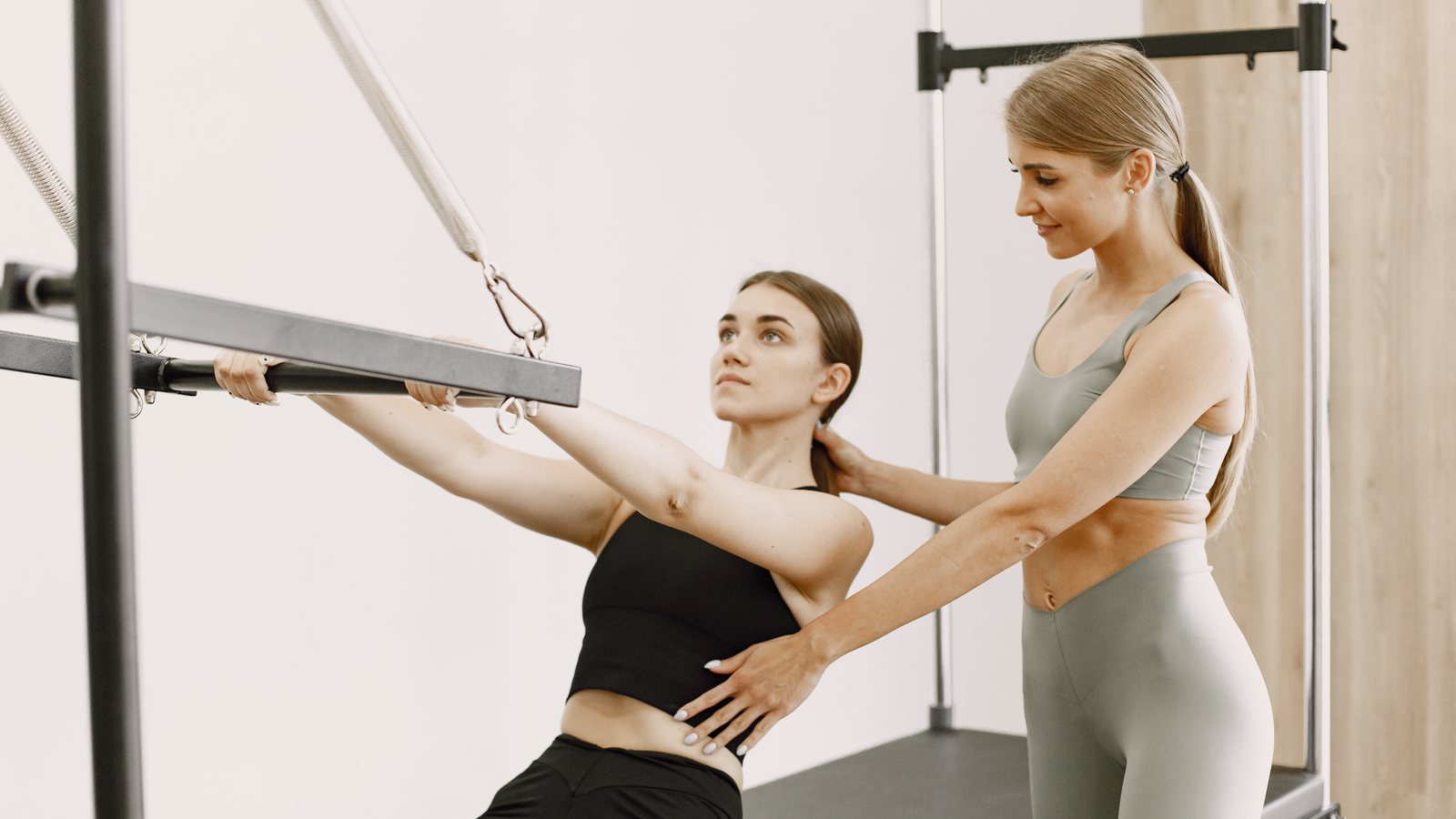
One-on-one coaching is the simplest way to start in fitness. Photo: tereliukv on Magnific.
The MarketMore People Work Out Than Ever
The Health and Fitness Association (HFA) reports that U.S. fitness facility membership reached 81 million in 2025, an all-time high and up 5.2% from 2024. That is 26.1% of Americans age six and older. Counting people who use day passes or guest privileges, more than 100 million people used a gym or studio, and visits reached nearly 7 billion, above the 2019 peak before the pandemic.
Members are also showing up more. The share who paid for a membership and never used it fell to 4.6% in 2025, an all-time low. Growth came from older and younger adults alike: membership among people 65 and older grew 8.6%, and 35.5% of 18 to 24 year olds were members, the highest share of any age group. Yoga was the most practiced activity, with 17.7 million members.
U.S. Fitness Facility Members, in Millions
Source: Health and Fitness Association (formerly IHRSA) consumer report releases, Dec. 2023, Oct. 2024, Oct. 2025 and April 2026. 2020 and 2021 are not shown.
Nearly one in four gym members paid for a personal trainer in 2024.
23% of members, and one in three took small-group training (HFA)
Why NowCoaching Is What People Pay Extra For
A basic gym membership is cheap and easy to find. What people pay more for is coaching: a plan, a person who checks their form, and a reason to show up. HFA found that 23% of members used a personal trainer in 2024 and 32% took part in small-group training. Women drove much of the growth: women using personal training rose 16% in a year, to 7.3 million. More than 75% of studio users also keep at least one other membership, so a boutique studio does not have to replace the big gym. It can sit next to it.
The job data agrees. The U.S. Bureau of Labor Statistics (BLS) projects jobs for fitness trainers and instructors to grow 7% from 2025 to 2035, about twice the 3.5% pace for all jobs, adding about 28,500 jobs. It expects about 68,000 openings a year, and 15% of trainers and instructors were already self-employed in 2025.
Where Fitness Trainers Worked in 2025
- Fitness and recreational sports centers55%
- Self-employed15%
- Civic and social organizations8%
- Schools and colleges7%
- Government4%
- Other11%
Source: BLS Occupational Outlook Handbook, share of 388,400 jobs. Other is the remainder.

The IdeasSix Ways to Make Money in Fitness
Each of these can start small. The tags show whether it fits best as a side hustle, a full business, or both.
Independent Personal Trainer
Train clients in their homes, a park, a rented gym or online. Start with a few early-morning or evening clients and raise prices as your schedule fills.

Small-Group Training
Sessions of three to eight people at a lower price per person. One coach earns more per hour and clients get a built-in community.
Boutique Studio
A focused studio for strength, Pilates, yoga, cycling or boxing. It needs a lease, equipment and a schedule of classes, and it sells memberships and class packs.
Online Coaching
Workout plans, video check-ins and app-based programs. No space needed, and clients can live anywhere.
Active Aging Classes
Strength, balance and mobility classes for older adults, run at community centers, senior housing or your own studio. Membership among people 65 and older grew 8.6% in 2025.
Corporate and Team Wellness
On-site classes or group challenges for local employers, sports teams and schools, sold as monthly contracts.
Side Hustle or Full Business?
Start as a Side Hustle
- Train private clients before or after your day job, or on weekends.
- Startup needs are small: certification, CPR and AED training, insurance and a few pieces of equipment.
- Train in clients’ homes, outdoors or online to avoid rent.
- Good test: can you keep 8 to 10 regular sessions a week?
Grow Into a Full Business
- A studio adds rent, equipment, booking software and staff coaches.
- Memberships and class packs bring steady monthly revenue.
- Small-group classes make each hour of coaching earn more.
- Open a studio after your private client list is full, not before.
Inksight’s Scorecard for a Personal Training Business
A certification, insurance and a few clients are enough to begin.
Early mornings, evenings and weekends are when most people train.
Membership hit a record 81 million in 2025, and BLS projects 7% job growth.
Private sessions are capped by your hours; groups and studios earn more but cost more.
Scaling means a studio, a lease and hiring coaches who keep clients.
This scorecard is Inksight’s opinion based on the data above. It is not a guarantee of results.
Getting StartedHow to Start a Personal Training Business
- Get certifiedMost personal trainers must be certified before working with clients, according to BLS. Choose a well-known accredited certification and add CPR, first aid and AED training.
- Pick a nicheChoose who you serve best: new exercisers, busy parents, older adults, athletes or people training for an event. A clear niche makes marketing easier.
- Set up the businessRegister the business, get a local business license and buy professional liability insurance. Use a client intake form, a health questionnaire and a signed waiver.
- Choose where you trainStart in clients’ homes, outdoors, online or in a gym that rents space to independent trainers before you sign a lease.
- Price in packagesCheck what local trainers and studios charge, then sell packs of sessions or monthly plans instead of single visits.
- Track results and ask for reviewsRecord each client’s progress. Results, photos with permission and reviews are what bring referrals.
- Add groups, then spaceWhen your private schedule is full, add small-group sessions. Look at a studio only when groups are full too.
Know Before You StartThe Hard Parts
- Your hours are the product. Private sessions stop earning when you stop working, so groups and online programs matter.
- Peak times are crowded. Most clients want early mornings, lunch hours and evenings, which makes long, split days.
- Rent is the big risk. A studio lease and equipment are a large fixed cost before the first class fills.
- Clients drop off. Many people start strong in January and fade. Plans, check-ins and community keep them coming back.
None of these are reasons to skip the idea. Fitness rewards coaches who get results and stay in touch. Start with a few clients, keep them for a year, and let their progress and referrals grow your schedule.
Key Takeaways
- U.S. fitness facility membership reached a record 81 million in 2025, up 5.2% from 2024 (HFA).
- In 2024, 23% of members used a personal trainer and 32% took small-group training.
- BLS projects 7% job growth for fitness trainers from 2025 to 2035, versus 3.5% for all jobs.
- Start with private clients as a side hustle; grow into small groups and a boutique studio.
- Certification, insurance, waivers and visible client results are what win trust.
QuestionsFrequently Asked Questions
Is a personal training business profitable?
It can be. The Health and Fitness Association counted a record 81 million gym and studio members in 2025, and 23% of members used a personal trainer in 2024. Private sessions have low costs but are limited by your hours; small groups and studios earn more per hour but cost more to run.
Can I start a personal training business as a side hustle?
Yes. Most clients train early in the morning, in the evening or on weekends, which fits around a day job. You can train in clients’ homes, outdoors or online before paying for space.
Do I need a license or certification to be a personal trainer?
Rules vary by state, so check yours. BLS notes that most personal trainers must be certified before working with clients, and most also need CPR, first aid and AED training. You will also need a business license and insurance. See the SBA’s licenses and permits guide.
What kind of boutique fitness studio is growing?
HFA data show yoga is the most practiced activity, with 17.7 million members in 2025, pickleball members grew 21.3%, and free weights have grown faster than any other equipment category since 2021. Strength, Pilates and yoga studios match those trends.
How much do personal trainers earn?
BLS reports a median wage of $47,160 a year for fitness trainers and instructors in May 2025. Business owners can earn more, or less, depending on prices, hours and costs.
Sources
- Health and Fitness Association: 81 million Americans were members of a fitness facility in 2025 (April 9, 2026)
- Health and Fitness Association: How 77 million U.S. fitness facility members work out (Oct. 30, 2025)
- Health and Fitness Association: U.S. fitness facility membership reaches historic high (Oct. 16, 2024)
- IHRSA: 2023 U.S. Health and Fitness Consumer Report release, 2022 and 2019 membership (Dec. 20, 2023)
- BLS Occupational Outlook Handbook: Fitness trainers and instructors (pay as of May 2025)
- BLS: Employment Projections 2025-35 (Aug. 27, 2026)
- SBA: Apply for licenses and permits