























Government Contracting Guide · City
Your first public customer may be your own city.
How cities buy, the dollar limits that matter, and how to get on the vendor list.
City government contracts are often the easiest public contracts for a small business to win, because cities buy everyday goods and services and many purchases are small enough to be awarded on a few quotes instead of a formal bid.
Cities run on contractors. A city buys printing, landscaping, janitorial service, event food, repairs, signs, uniforms, IT support and professional services such as engineering and marketing. The 2022 Census of Governments counted 90,837 local governments in the United States, from cities and counties to school and special districts, and every one of them buys from businesses.
Who buys at City Hall
- The purchasing or procurement office runs formal bids, keeps the vendor list and writes the rules every department follows.
- Departments such as Parks, Public Works, Police or the Library often buy small items and request quotes themselves, within limits set by the purchasing code.
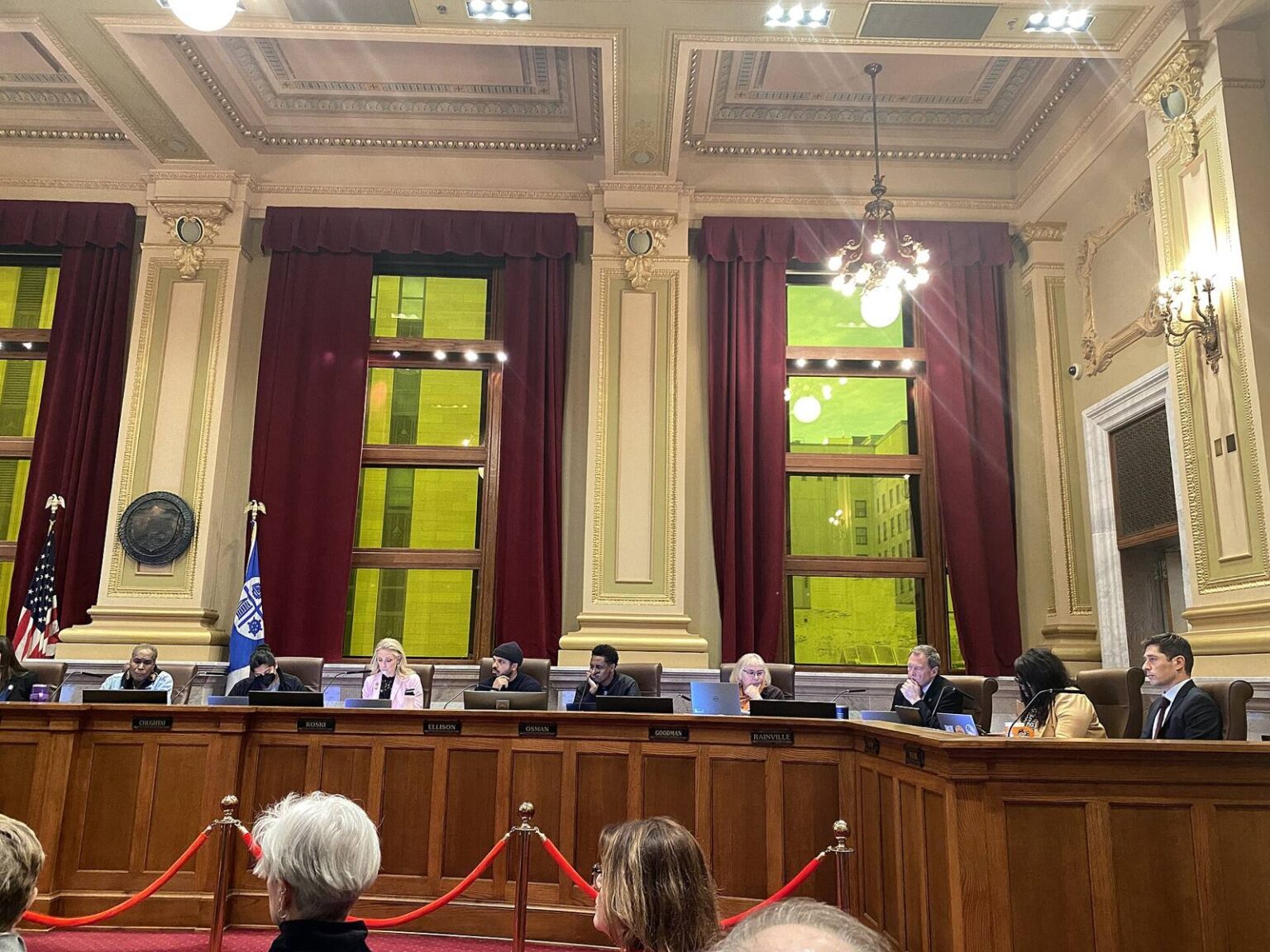
- The city council approves the largest contracts in a public meeting, based on a staff report that names the recommended vendor and price.
Small purchases, informal quotes and formal bids
The dollar amount decides how a city buys. Small purchases may need only one quote or a city purchasing card. Mid-size purchases use informal quotes, where a department contacts a few vendors directly. Large purchases use a formal bid: advertised publicly, submitted sealed and opened on a set date. Every city sets its own limits, as these examples show.
How four cities buy
| City | Informal quotes | Formal bid starts |
|---|---|---|
| Sacramento, CA | Most buys of $15,000.01 to $100,000, at least three vendors | Above $100,000 |
| Midland, TX | Three written quotes from $3,000 | Sealed bids from $30,000 |
| Atlanta, GA | Informal purchases from $5,000 | $20,000 |
| San Diego, CA | Informal purchases from $25,000 | $150,000 |
Sacramento’s figures come from the city’s own bid page; Atlanta and San Diego are from a 2023 Harvard Kennedy School study and may have changed, so always check your city’s current purchasing code. The lesson is the same everywhere: a new vendor can win city work through quotes long before facing a large formal bid.
Get on the vendor list
Departments can only ask for quotes from vendors they can find. Most cities now use an online bid portal where you create a free vendor account, choose the commodity codes for what you sell, and receive email alerts when a matching quote or bid is posted. Midland, Texas, for example, posts its quote requests on the Bonfire portal.
Your city vendor checklist
- Find the bid pageSearch your city name plus “bid opportunities” or “vendor registration.”
- Register for freeLegal name, address, tax ID and a contact who answers email quickly.
- Pick your codesChoose every commodity code that matches what you sell, so alerts reach you.
- Get your documents readyCity business license if required, W-9 and a general liability insurance certificate.
- Write a capability statementOne page: what you do, who you have done it for, your contact details.
Local and small business preferences
Many cities give local and small firms an edge, but only to businesses that sign up. Longmont, Colorado gives a 5% preference to local businesses and 2.5% more to small local businesses with 35 or fewer employees. Madison, Wisconsin requires that at least one of the three quotes a department collects comes from a registered local business. Look for your city’s local business, small business or disadvantaged business program, and ask whether it accepts state or federal certifications such as those in our guide to small business certification.
Winning quotes and city bids
- Answer quote requests fast and exactly. Price every line requested, use the city’s form and send it before the deadline.
- Read every page and addendum of a formal bid. An addendum changes the bid, and missing one can disqualify you.
- Go to the pre-bid meeting and ask questions in writing before the question deadline.
- Study the awards. Bid results and council staff reports are public: see who won, at what price and why.
- Ask for a debrief when you lose, and use it on the next bid.
Public works and professional services have their own rules
Construction, street repair and building work on city property are public works. They usually require a contractor’s license, payment and performance bonds above a set amount, and often prevailing wages, so read the bid for those requirements before you price the job. Professional services such as engineering, architecture, consulting and marketing are often bought through a request for proposals that scores qualifications and approach, not only price.
Mistakes that cost small businesses city work
- Registering on the portal but choosing too few commodity codes, so the right alerts never arrive.
- Letting insurance certificates lapse; many cities will not issue a purchase order without one.
- Missing a deadline by minutes: late quotes and bids are usually rejected without being opened.
- Pricing the work without reading the scope, the payment terms and any bonding requirement.
- Never meeting the department buyers who request quotes for what you sell.
Take the free City Contracts workshop in Inksight Courses and Trainings: six narrated lessons, quizzes and a certificate. Then continue with county, state and federal contracting, and see how to bid for government contracts.
Key takeaways
- Cities buy everyday goods and services, and many purchases are won with a few quotes.
- The dollar amount decides the method: small purchase, informal quotes or formal bid.
- In Sacramento, most buys up to $100,000 use informal quotes from at least three vendors.
- Register on your city’s bid portal and pick the right commodity codes to get alerts.
- Local and small business preferences help only firms that register for them.
Frequently asked questions
How do I get city government contracts as a small business?
Register as a vendor on your city’s bid portal, choose the commodity codes for what you sell, sign up for any local or small business program, and answer every matching quote request on time.
What is the difference between an informal quote and a formal bid?
An informal quote is a price a department requests directly from a few vendors for a mid-size purchase. A formal bid is advertised publicly, submitted sealed and opened on a set date, and is used for larger purchases.
Do I need a business license to sell to my city?
Many cities require one, along with a W-9 and proof of general liability insurance. Check your city’s vendor registration page.
Are city contract awards public?
Yes. Bid results and city council staff reports are public records, so you can see who won and at what price.
Do cities give preference to local businesses?
Many do. Longmont, Colorado gives local businesses a 5% preference, and Madison, Wisconsin requires a local vendor among the quotes. Rules differ by city.
Sources
- U.S. Census Bureau: 2022 Census of Governments, via Federal Reserve Bank of St. Louis, Local Governments in the U.S.: A Breakdown by Number and Type (March 2024)
- City of Sacramento: Procurement, Bid Opportunities
- Harvard Kennedy School Government Performance Lab: Are Procurement Thresholds Slowing You Down? (2023)
- City of Midland, Texas: Purchasing FAQ
- City of Longmont, Colorado: Doing Business with Us
- City of Madison, Wisconsin: Purchasing Guidelines
Keep reading on Inksight
- Business Credit vs. Personal Credit: What Every Small Business Owner Should Know
- How to Choose a Business Structure in California: Sole Proprietorship, LLC, S Corp or C Corp
- Business Banking 101: How to Choose and Open a Business Bank Account
- Small Business Funding Options: Loans, Grants and Investors
- Business Resources: all guides →