





















Government Contracting Guide · State
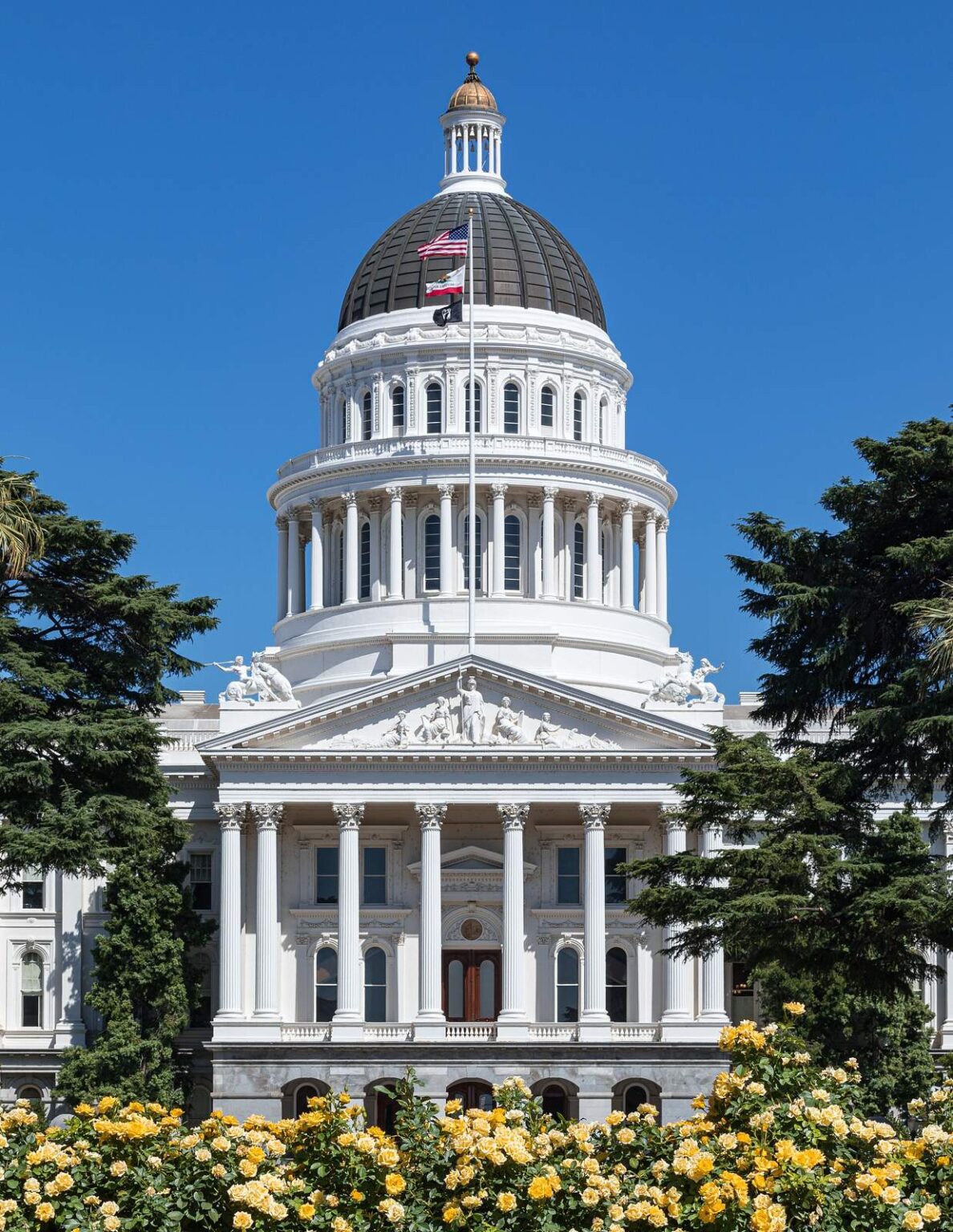
State agencies need suppliers in every county.
State bid portals, small business goals and how to get certified.
State government contracts cover everything from office supplies and IT to construction, consulting and food service, and most states run small business programs that give qualified firms goals, preferences or set-asides.
Every state agency, from transportation and corrections to health and universities, buys from private businesses. States usually post opportunities on one central portal and certify small and diverse businesses through one office. Learning your state’s portal and certification is the key that opens dozens of agencies at once.
California: 25% goal and a 5% preference
California’s Department of General Services sets a goal of 25% of state contracting dollars with certified small businesses. Certified small businesses get a 5% bid preference, and a large prime that subcontracts at least 25% to certified small businesses can also earn a 5% preference. Bids are posted on Cal eProcure, and the state also has a 3% goal for Disabled Veteran Business Enterprises.

Texas: the HUB program
Texas certifies Historically Underutilized Businesses, or HUBs. In the first half of fiscal 2024, Texas agencies reported $1,891,957,323 spent with HUBs, 11.58% of their spending, with 2,967 HUBs receiving payments. State opportunities over $25,000 are posted on the Electronic State Business Daily (ESBD), and vendors register on the Centralized Master Bidders List (CMBL) to receive notices.
New York: the MWBE program
New York sets a 30% goal for certified minority- and women-owned business enterprises, and reported 31.86% utilization in fiscal year 2024-25, about $3.3 billion. Certification runs through Empire State Development, and state contracts list MWBE goals that primes must meet with certified partners.
How to start with your state
Your state checklist
- Find the state portalSearch your state name plus “procurement” or “bid opportunities.”
- Register as a vendorChoose all the commodity or NAICS codes that fit what you sell.
- Get state certifiedSmall business, HUB, MWBE, DVBE or the program your state runs.
- Look for statewide contractsMany states have master contracts every agency can use.
- Meet agency buyersGo to state outreach events and agency small business days.
Statewide contracts and agency buys
Some purchases go through statewide or master contracts that every agency can use, while others are bought by each agency on its own. Getting onto a statewide contract can be a big win, but it is competitive; many small firms start with agency-level quotes or as a subcontractor to a statewide contract holder.
Mistakes to avoid
- Registering on the portal but skipping the state certification that unlocks preferences.
- Assuming one state’s certification counts in another state.
- Missing the question deadline in a state solicitation, then guessing.
- Ignoring prime contractors that need certified partners to meet state goals.
What states buy
State agencies buy a little of everything. Transportation departments buy construction, engineering, materials and maintenance. Corrections buys food, clothing, medical services and facility repair. Health and social service agencies buy outreach, translation, case management and IT systems. Universities, parks, motor vehicle offices and courts buy janitorial, security, printing, furniture, vehicles and training. Because agencies are spread across the state, many contracts are regional, which gives local small businesses a real advantage on delivery and service.
Certifications are where the advantage starts
Each state’s preference or goal applies only to firms with that state’s certification. In California that means the DGS small business or DVBE certification; in Texas, HUB certification from the Comptroller; in New York, MWBE certification from Empire State Development. Applications ask for tax returns, ownership records and proof of control, and review can take weeks, so apply before a bid you want is posted, not after. Keep certifications current, because an expired one usually cannot be used on a bid even if the firm still qualifies.
Teaming with primes on state work
Large state contracts often carry participation goals. In California, a non-small prime that subcontracts at least 25% to certified small businesses can earn a 5% preference; in New York, primes must show how they will meet MWBE goals. That makes certified small businesses valuable partners. Introduce yourself to the primes that win state work in your field, and ask to be listed on their next bid. Read the subcontract terms carefully: payment timing, scope and reporting duties matter as much as the price.
Statewide contracts versus agency purchases
Two buying paths run side by side in most states. A statewide or master contract is competed once by the central purchasing office, and then any agency can order from it without a new bid. These contracts are large and competitive, and they often favor established suppliers. Agency purchases are smaller buys made by a single department, a prison, a university campus or a district office, often through quotes. For a new small business, agency purchases are usually the faster door: they are local, they are frequent, and the buyer can see your service first-hand. As your record grows, the statewide contracts become realistic targets, either as a prime or as a certified partner on a larger supplier’s team.
Take the free State Contracts workshop in Inksight Courses and Trainings: six narrated lessons, quizzes and a certificate, taught by Kevin Phan. It is part of a 15-workshop series on government contracting, from city hall to federal agencies.
Key takeaways
- States post bids on central portals and certify small firms in one place.
- California: 25% small business goal and a 5% bid preference.
- Texas: HUB program; 11.58% of reported spending in the first half of FY2024.
- New York: 30% MWBE goal; 31.86% reached in FY2024-25.
- Primes need certified partners to meet state goals.
Frequently asked questions
Where do I find state government contracts?
On your state’s procurement portal, such as Cal eProcure in California or the ESBD in Texas.
Does my state give small businesses a preference?
Many do. California gives certified small businesses a 5% bid preference.
What is a HUB in Texas?
A Historically Underutilized Business certified by the Texas Comptroller.
Does a California certification work in Texas?
No. Each state runs its own certification, though some accept others’ paperwork to speed review.
How long does state certification take?
It varies by state and by how complete your application is, from a few weeks to a few months. Apply early and keep copies of every document you submit.
Can I bid on state contracts in more than one state?
Yes. Register on each state’s portal and get each state’s certification if you want its preferences, since certifications rarely carry over between states.
Sources
- California Department of General Services: Procurement Division, Small Business and DVBE Services
- Cal eProcure (California State Contracts Register)
- Texas Comptroller: Historically Underutilized Business (HUB) Program and reports
- Empire State Development: Division of Minority and Women’s Business Development
Keep reading on Inksight
- Business Credit vs. Personal Credit: What Every Small Business Owner Should Know
- How to Choose a Business Structure in California: Sole Proprietorship, LLC, S Corp or C Corp
- Business Banking 101: How to Choose and Open a Business Bank Account
- Small Business Funding Options: Loans, Grants and Investors
- Business Resources: all guides →