






















Government Contracting Guide · County
Your county buys what you sell, every single week.
What counties buy, how they choose vendors, and how to get on their lists.
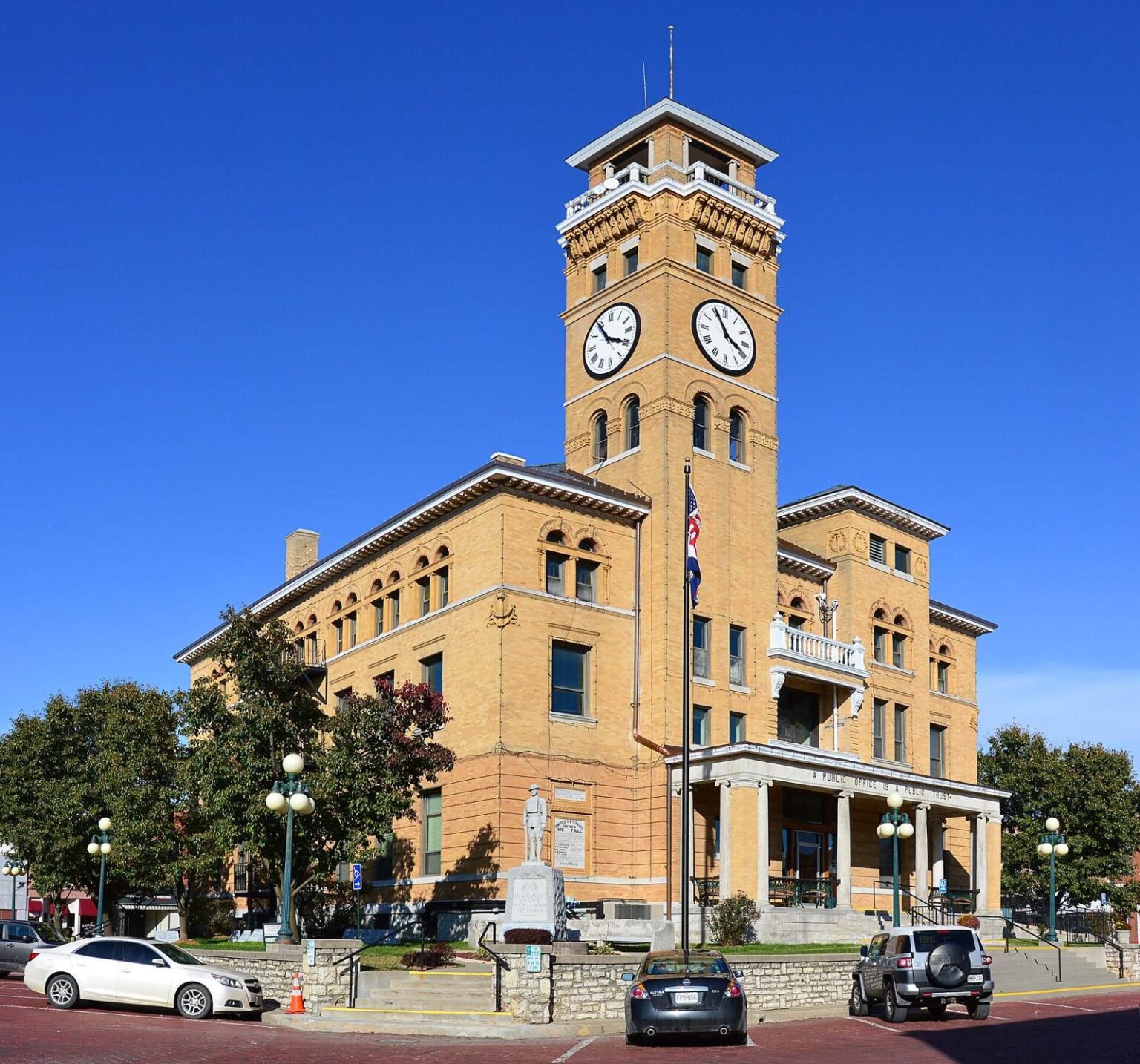
County government contracts reach far beyond road work: counties run courts, jails, public health, social services, elections, parks and airports, and each of those departments buys goods and services from private businesses, often small and local ones.
The 2022 Census of Governments counted 3,031 county governments in the United States, part of 90,837 local governments in all. Counties are big buyers because they deliver so many services. A typical county buys janitorial and security services, food for jails and senior programs, printing and mailing for elections, IT support, medical supplies, vehicles and repairs, consulting, outreach and translation, plus construction for roads, bridges and buildings.
How a county buys
- The purchasing agent or procurement division writes the rules, keeps the vendor list and runs formal solicitations.
- Departments such as Health, Public Works, the Sheriff and Elections request quotes for smaller purchases within limits the county sets.
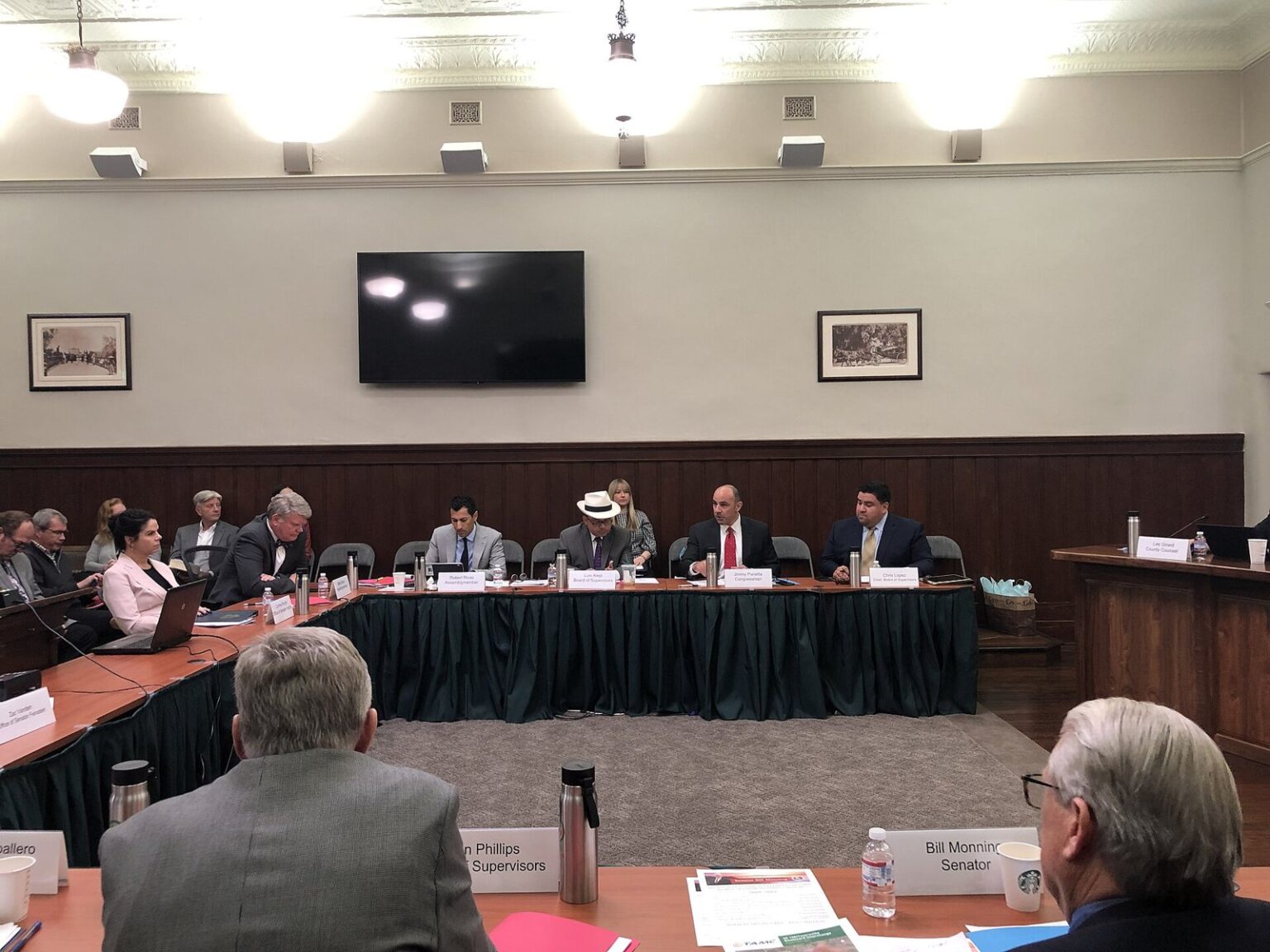
- The board of supervisors (called commissioners in some states) approves the largest contracts in public meetings, based on a staff report naming the recommended vendor.

Bid limits differ from county to county
Every county sets its own dollar limits, usually inside a framework set by state law. These real examples show how wide the range can be, and why you should read your own county’s purchasing policy before you price anything.
How four counties buy
| County | Informal process | Formal bid starts |
|---|---|---|
| Sacramento County, CA | Smaller buys under county policy | Over $100,000; award to the greatest value |
| Mesa County, CO | $5,000 to $100,000: documented bids from at least three sources | Above $100,000 |
| Utah County, UT | Goods from $10,000: informal competition | Goods from $50,000 |
| Tennessee counties | Below $10,000 under state law (a county may set less) | $10,000 and over: public advertising |
Sacramento County’s purchasing policy also says formal awards go to the offer with the greatest value, not automatically the lowest price, and its bids are posted on the SacCountyEbids portal. Tennessee’s County Purchasing Law sets $10,000 as the level for public advertising and competitive bidding, while letting each county choose a lower amount.
County small business programs
Large counties often run their own small business programs. Los Angeles County’s Local Small Business Enterprise program, for example, gives certified firms up to a 15% bid price reduction on certain goods and services, capped at $150,000, and up to 7% on construction. To qualify, a firm needs its principal office in the county for at least 12 months and a California small business certification. Smaller counties may simply ask departments to include local vendors in their quotes.
Getting on the county vendor list
Your county vendor checklist
- Find the portalSearch your county name plus “purchasing” or “bid opportunities.”
- Register for freeLegal name, tax ID, contact details and the commodity codes for what you sell.
- Join local programsAsk whether the county has a local or small business program and what certification it accepts.
- Prepare documentsW-9, insurance certificate, business license and a one-page capability statement.
- Meet the buyersIntroduce yourself to the departments that use what you sell.
Reading the board agenda
County board agendas are public and posted before each meeting. They list contracts up for approval, renewals, amendments and new projects, often with the staff report attached. Reading them every week tells you which departments are buying, which contracts are about to expire and which vendors are winning. It is one of the best free market research tools a small business has.
Mistakes to avoid
- Assuming the city’s rules apply at the county; they are separate governments with separate codes.
- Ignoring the insurance limits in the bid until after you win.
- Pricing a service contract without reading the reporting and invoicing terms.
- Never asking for a debrief after a loss.
What county departments buy most often
Start with the departments closest to your business. Health and human services departments buy outreach, translation, case management software, medical and lab supplies, and food for senior and family programs. The sheriff and probation buy uniforms, vehicle upfitting, jail food and commissary items, and inmate health services. Public works buys paving, striping, traffic control, tree trimming, fleet repair and engineering. Elections buys printing, mailing, ballot drop box service, temporary staff and multilingual outreach every election year, on very tight deadlines that reward vendors who are already registered. Parks, libraries and airports add landscaping, janitorial, security and event services.
Professional services and requests for proposals
Counties buy many services, such as consulting, engineering, architecture, public relations and IT projects, through requests for proposals rather than low-bid solicitations. An RFP scores your approach, staff, experience and price together. Read the evaluation criteria closely, answer each one in the same order, and show results from similar public clients. If the county holds a pre-proposal conference, attend it; questions answered there often become addenda that every proposer must acknowledge.
Payment and cash flow
Counties pay reliably, but rarely fast. Many pay 30 days or more after an approved invoice, and new vendors must first be set up in the county’s finance system with a W-9 and banking details. Ask about electronic payment, invoice exactly as the contract says, and plan your cash flow so a first county contract does not strain your business while you wait for payment.
Take the free County Contracts workshop in Inksight Courses and Trainings: six narrated lessons, quizzes and a certificate, taught by Kevin Phan. It is part of a 15-workshop series on government contracting, from city hall to federal agencies.
Key takeaways
- The U.S. has 3,031 county governments, and each buys from private businesses.
- Counties buy for courts, health, jails, elections, roads and more.
- Bid limits vary widely; Sacramento County’s formal bids start over $100,000.
- County small business programs, like LA County’s LSBE, can give a bid price reduction.
- Board agendas show what the county is buying next.
Frequently asked questions
How do I get county government contracts?
Register on your county’s purchasing portal, choose the right commodity codes, join any local or small business program, and answer quotes and bids on time.
Who approves large county contracts?
The board of supervisors or county commissioners, in a public meeting.
Are county bid limits the same everywhere?
No. Each county sets its own limits within state law, from $10,000 in many Tennessee counties to over $100,000 for formal bids in Sacramento County.
What is the LA County LSBE preference?
Certified local small businesses can get up to a 15% bid price reduction on certain goods and services, capped at $150,000, and up to 7% on construction.
Do counties buy from out-of-state businesses?
Yes, most county bids are open to any qualified vendor, though local preference programs may give nearby firms an edge. Read the solicitation to see whether a preference applies.
How can I see what my county paid for past contracts?
Board agendas, staff reports and bid tabulations are public records. Many counties also post contract lists and spending data online, and you can request records from the clerk of the board.
Sources
- U.S. Census Bureau: 2022 Census of Governments
- U.S. Census Bureau: 2022 Census of Governments, via Federal Reserve Bank of St. Louis (March 2024)
- County of Sacramento: Purchasing Policy 8-2101 and SacCountyEbids
- University of Tennessee County Technical Assistance Service: County Purchasing
- Los Angeles County: Local Small Business Enterprise (LSBE) Program
Keep reading on Inksight
- Business Credit vs. Personal Credit: What Every Small Business Owner Should Know
- How to Choose a Business Structure in California: Sole Proprietorship, LLC, S Corp or C Corp
- Business Banking 101: How to Choose and Open a Business Bank Account
- Small Business Funding Options: Loans, Grants and Investors
- Business Resources: all guides →