



















Government Contracting Guide · Education
Every school day runs on local suppliers.
How districts, colleges and universities buy, and how to get on their lists.
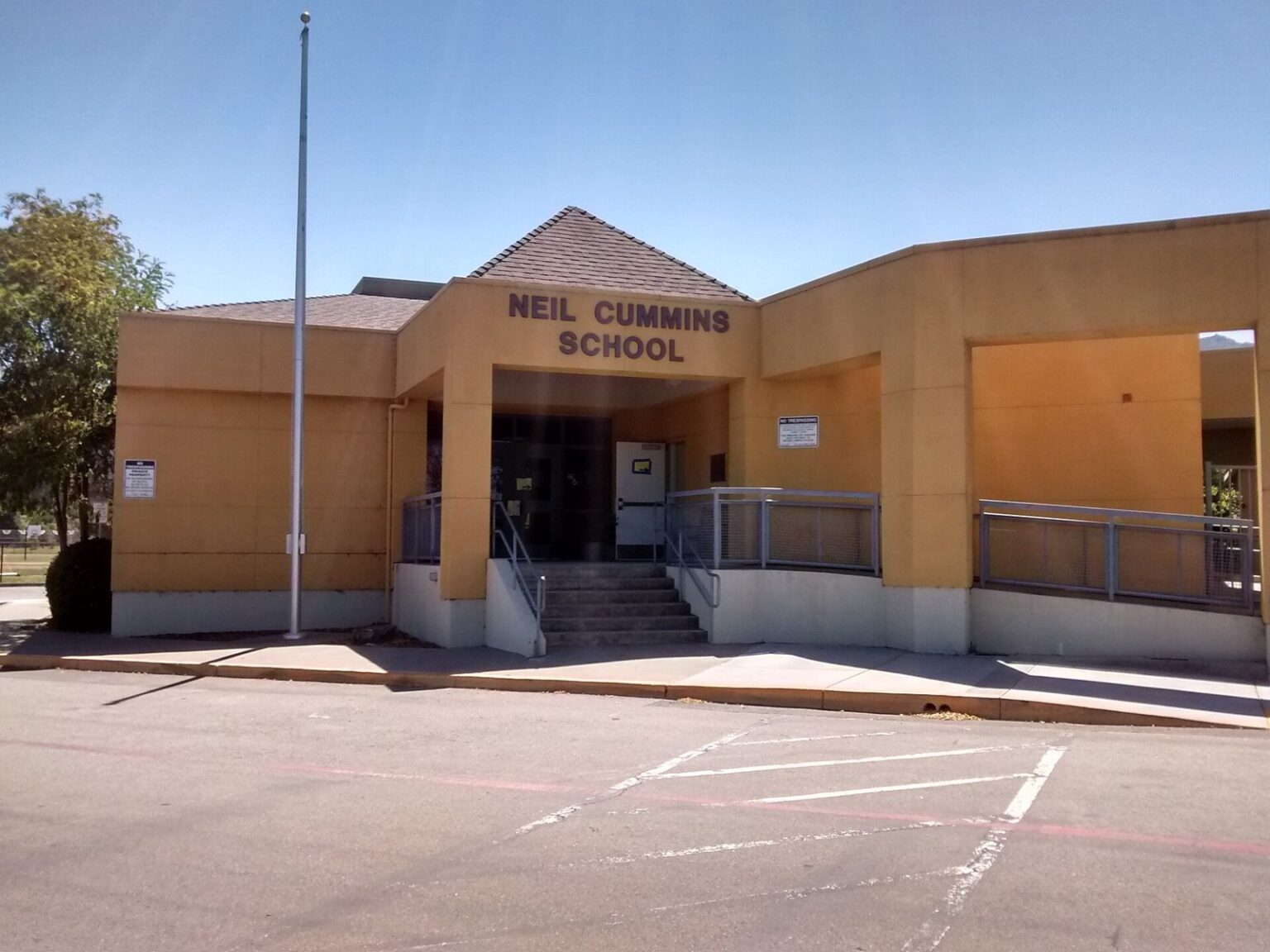
School district contracts, and the purchases of community colleges and universities, are open to small businesses in every community, because education buyers need food, supplies, repairs, technology, transportation and services every school day.
Who buys in education
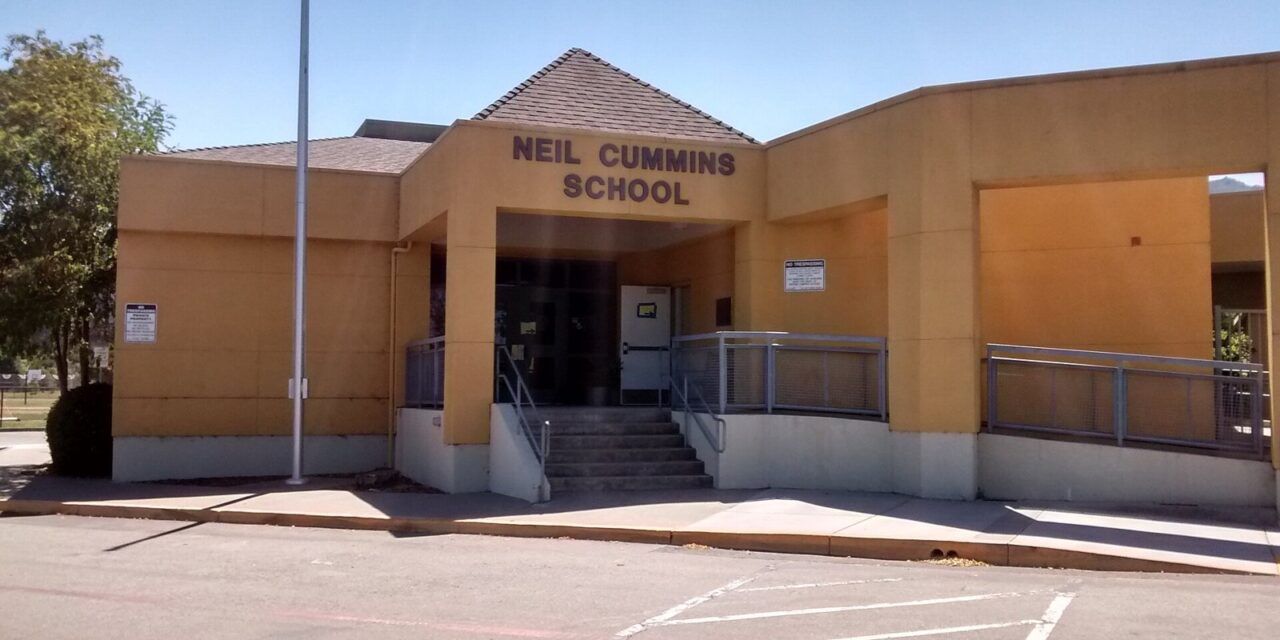
The 2022 Census of Governments counted 12,546 independent school districts in the United States, each with an elected board and a business office. Add community college districts, state universities and university systems, and education is one of the largest public buyers in nearly every county. K-12 districts usually have a purchasing department inside the business office; community colleges may share purchasing across campuses; universities run large procurement teams with supplier portals and their own small business programs.
What schools buy, and when
Schools buy food and kitchen supplies, janitorial products and services, maintenance and repairs, construction, furniture, technology and IT support, printing, uniforms, transportation, tutoring, counseling, training and events. Timing matters: districts plan budgets in spring and do much of their repair and installation work in summer, when students are away. That means bids for summer projects often appear in late winter and spring, and back-to-school purchases peak in late summer.
Bid limits: California’s 2026 numbers
Like cities and counties, schools use dollar limits to decide how to buy. In California, Public Contract Code 20111 requires a school district to competitively bid purchases of supplies, equipment and services over an inflation-adjusted threshold, which the State Superintendent set at $119,100 from Jan. 1, 2026, up from $114,800 in 2025. Public projects, meaning construction, have a separate and much lower bid limit of $15,000. Below those limits, districts use quotes and their own board policies, and that is where many small businesses win their first school work.
California school district bid limits (2026)
Source: California Department of Education; Public Contract Code 20111.
Universities and Small Business First
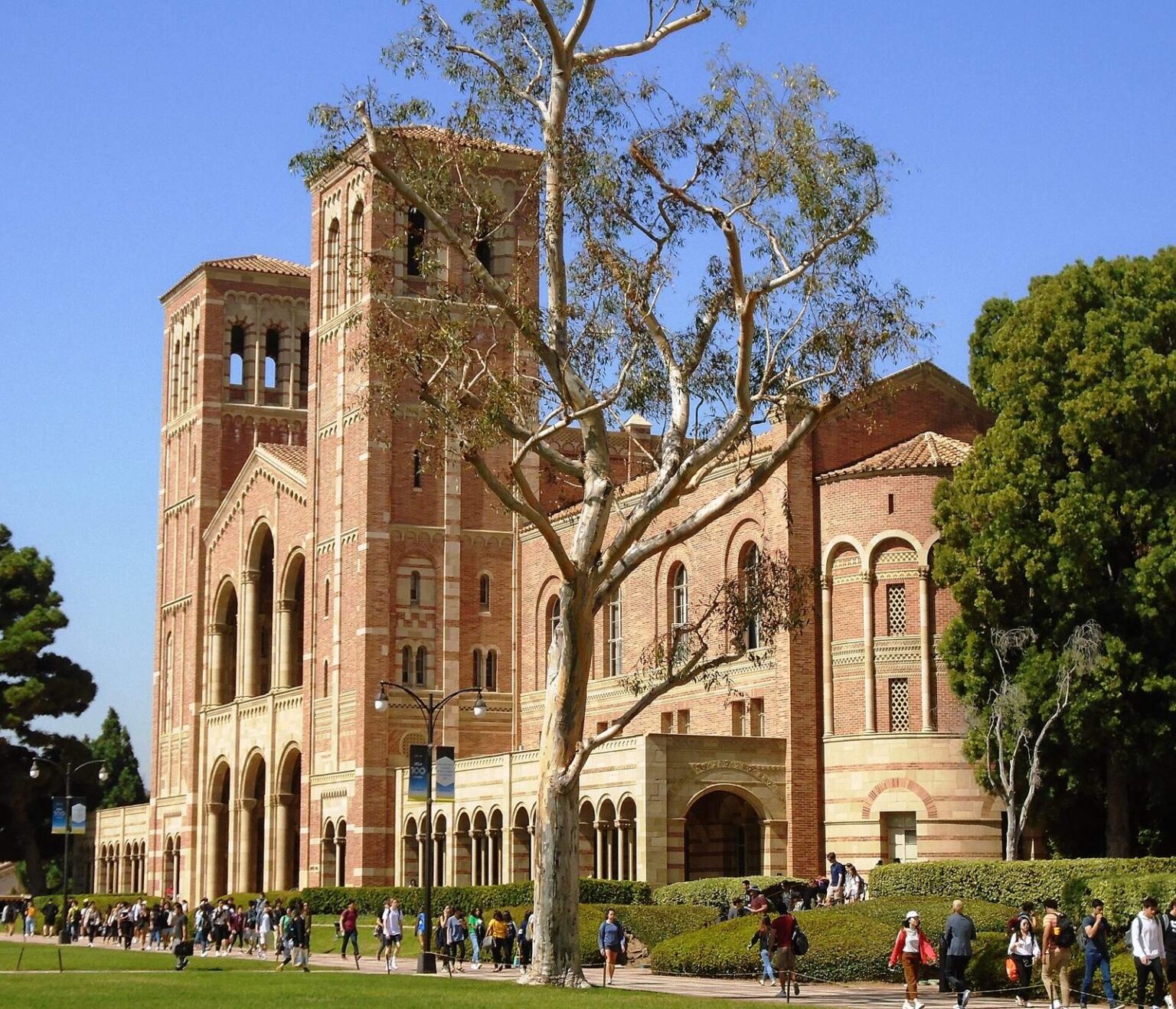
Universities often run their own small business programs. The University of California’s Small Business First program asks campus buyers to award non-construction purchases between $10,000 and $250,000 to certified small businesses or Disabled Veteran Business Enterprises when they are available. UC also sets a goal of 25% of spending with small and diverse businesses, and reports small business results to the Legislature every year. To take part, get the certification the program accepts, usually California’s small business or DVBE certification, and register on each campus supplier portal.
Cooperative contracts
Many schools buy through cooperative contracts, which one public agency competes and others can use without a new bid. For a vendor, winning a place on a cooperative contract can open dozens of districts at once. Small firms can also partner with a company that already holds one, as a local reseller, installer or service provider. Ask each district’s purchasing office which cooperative contracts it uses for your category.
Your school checklist
- List your buyersNearby school districts, community colleges and universities.
- RegisterEach district vendor list and each campus supplier portal.
- CertifyState small business or DVBE certification for university programs.
- Read board agendasSchool boards approve contracts and list upcoming projects.
- Introduce yourselfCall one purchasing office and one department that uses what you sell.
Mistakes to avoid
- Pitching teachers or principals instead of following the district’s purchasing process.
- Missing the spring bid window for summer work.
- Forgetting fingerprinting or background checks required for work on school sites.
- Ignoring cooperative contracts that districts already use.
Community colleges are their own buyers
Community college districts are separate from K-12 districts, with their own boards and purchasing offices, and in California they follow similar bid thresholds under the Public Contract Code. They buy classroom and lab equipment, career training programs, software, printing, food service, security, maintenance and construction for new buildings. Workforce and career programs also contract with local businesses for training, apprenticeships and industry advice, which can be a way for a small firm to build a relationship before a purchase comes up.
School food, nutrition and local farms
Food is one of the largest recurring school purchases. Districts that take part in federal school meal programs follow federal procurement rules for food purchases, and many run farm-to-school programs that look for local growers, bakers and processors. Small food businesses should ask the nutrition services director how the district buys, what food safety and insurance documents are needed, and whether it buys through a cooperative or directly. Delivery reliability and consistent quality matter as much as price, because schools serve meals every day on a fixed schedule.
Getting paid by schools
Districts usually pay by purchase order and invoice, through the business office, often 30 days or more after the goods or services are received and approved. Make sure each invoice lists the purchase order number, matches the quantities and prices exactly, and goes to the address on the order. A clean first invoice builds trust with the business office, which often influences who gets called next.
Take the free School, College and University Contracts workshop in Inksight Courses and Trainings: six narrated lessons, quizzes and a certificate, taught by Kevin Phan. It is part of a 15-workshop series on government contracting, from city hall to federal agencies.
Key takeaways
- There are 12,546 independent school districts in the U.S., plus colleges and universities.
- Schools bid summer projects in late winter and spring.
- California schools bid supplies and services over $119,100 in 2026; public projects over $15,000.
- UC Small Business First aims purchases of $10,000 to $250,000 at certified small firms and DVBEs.
- Cooperative contracts let many districts buy without a new bid.
Frequently asked questions
How do I get school district contracts?
Register on each district’s vendor list, follow board agendas, answer quotes and bids on time, and ask which cooperative contracts the district uses.
What is the California school bid limit in 2026?
$119,100 for supplies, equipment and services, and $15,000 for public projects.
What is UC Small Business First?
A University of California program that directs purchases of $10,000 to $250,000 to certified small businesses or DVBEs where available.
Do I need a background check to work at a school?
Often yes. Many states require fingerprinting or background checks for vendors who work on school sites.
When do schools buy the most?
Spring for summer projects, late summer for back-to-school supplies, and all year for food and services.
Sources
- U.S. Census Bureau: 2022 Census of Governments, via Federal Reserve Bank of St. Louis (March 2024)
- California Department of Education: Bidding Requirements and 2026 Bid Threshold
- University of California Office of the President: Small Business First
Keep reading on Inksight
- Business Credit vs. Personal Credit: What Every Small Business Owner Should Know
- How to Choose a Business Structure in California: Sole Proprietorship, LLC, S Corp or C Corp
- Business Banking 101: How to Choose and Open a Business Bank Account
- Small Business Funding Options: Loans, Grants and Investors
- Business Resources: all guides →