
























Government Contracting Guide · Utilities
The lights stay on because suppliers show up.
Public and investor-owned utilities, their supplier programs, and how to get in.
Utility contracts are a steady market for small businesses: electric, water and gas utilities buy field services, engineering, IT, outreach and supplies every day, and many run programs designed to bring small and diverse suppliers into their supply chains.
Two kinds of utilities
Public utilities are owned by the community, through a city or a utility district, and follow public purchasing rules with posted bids and board approvals. The American Public Power Association counts about 2,000 community-owned electric utilities serving more than 55 million Americans, and most water utilities are public too. Investor-owned utilities are private companies regulated by a state commission. They buy through supplier portals and invitations, much like large corporations, and many report their spending with small and diverse businesses to their regulators.
Public vs. investor-owned utilities
| Public utility | Investor-owned utility | |
|---|---|---|
| Owner | City or utility district | Shareholders |
| Oversight | Elected board or city council | State utilities commission |
| How it buys | Public bids, quotes, board votes | Supplier portal, invitations, category managers |
| Small business path | Local or small business programs | Supplier diversity or inclusion programs |
What utilities buy
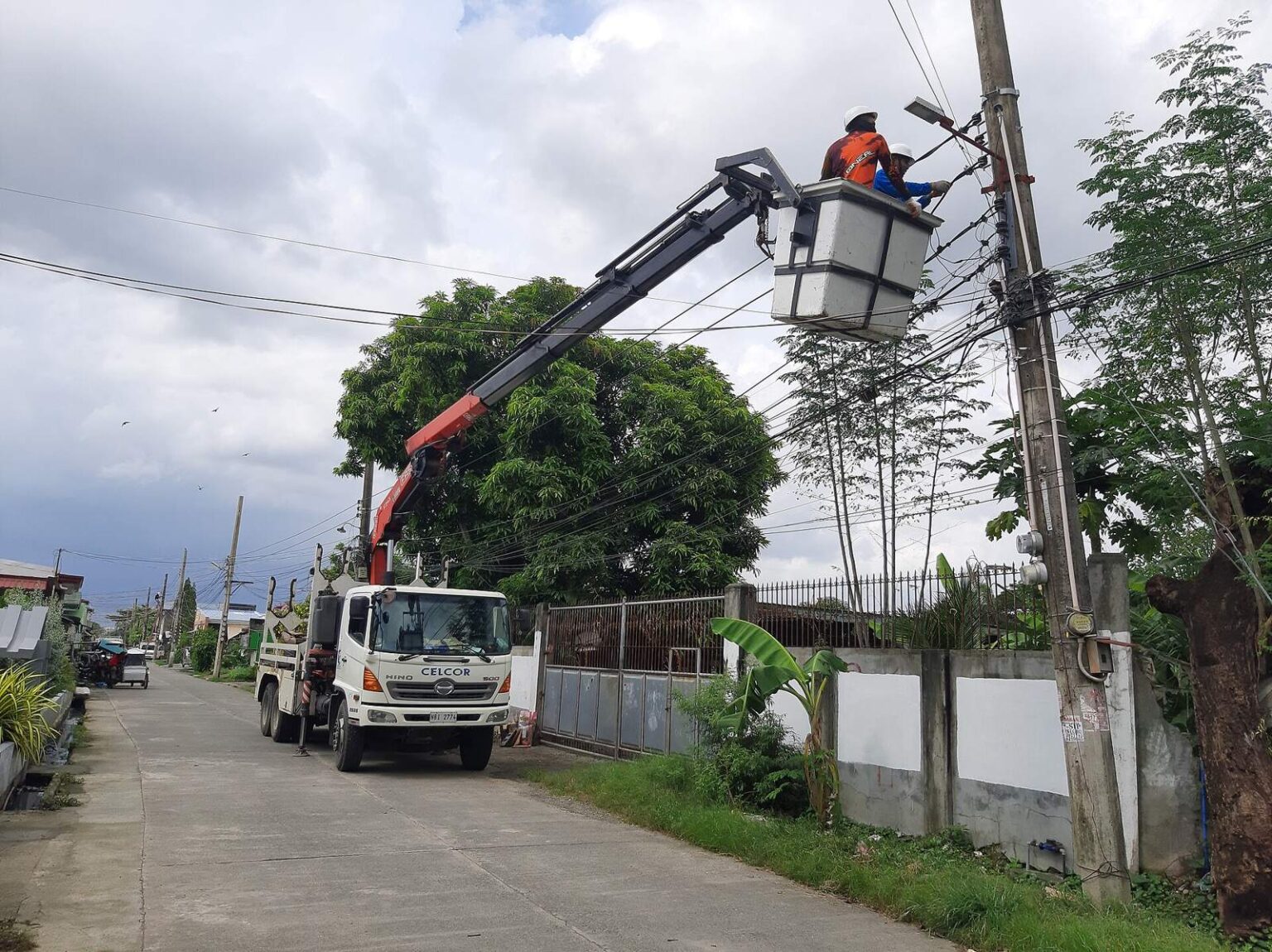
Utilities need far more than wires and pipes. In the field they buy vegetation management near power lines, traffic control, trenching, hauling, equipment rental, safety supplies, environmental monitoring and inspection. In the office they buy IT support, engineering studies, printing, marketing, translation, call center help and legal and financial services. For customers they run energy-efficiency, rebate and outreach programs that hire installers, community organizations and event companies. Many of these jobs are local and recurring, which suits small firms well.
A public utility model: SMUD’s SEED program
The Sacramento Municipal Utility District, one of the largest public power utilities in the country, runs the Supplier Education and Economic Development program, called SEED. SEED aims to award at least 20% of eligible contracts to small local businesses, and SMUD board finance reports in 2026 show SEED participation of around 30% in recent years. SEED vendors register with SMUD, and some solicitations are reserved for them. Many other public utilities run similar small or local business programs; search your utility’s name with “small business program” or “supplier registration.”
Investor-owned utilities and GO 156
In California, the Public Utilities Commission’s General Order 156 asks utilities to buy from women-, minority-, disabled veteran- and LGBT-owned businesses and to report results every year. The commission’s 2025 report says utilities spent 30.1% of their procurement with diverse suppliers in 2024, up from 28.8% in 2023 and above the 23% goal. PG&E alone reported $4.09 billion in diverse spending in 2024, 35.64% of its procurement, with 596 active diverse suppliers. Other states have similar programs, and many utilities have renamed them supplier inclusion.
California utilities: diverse procurement
Source: CPUC 2025 GO 156 Report to the Legislature.
Safety and prequalification come first
Utilities care about safety above almost everything. Before field work, expect a prequalification that reviews your safety record, written safety program, training and insurance, and sometimes a third-party safety rating service. Firms new to utility work often start as subcontractors to the utility’s large prime contractors, building the safety record and experience the utility wants to see before it hires them directly.
Your utility checklist
- Know your utilitiesList your electric, water and gas utilities and whether each is public or investor-owned.
- RegisterJoin each supplier portal and any small, local or diverse business program.
- CertifyGet the certification each program accepts.
- Prepare for safety reviewWritten safety program, training records, insurance certificates.
- Meet the primesAsk the supplier team which large contractors need subcontractors.
Clean energy and new programs
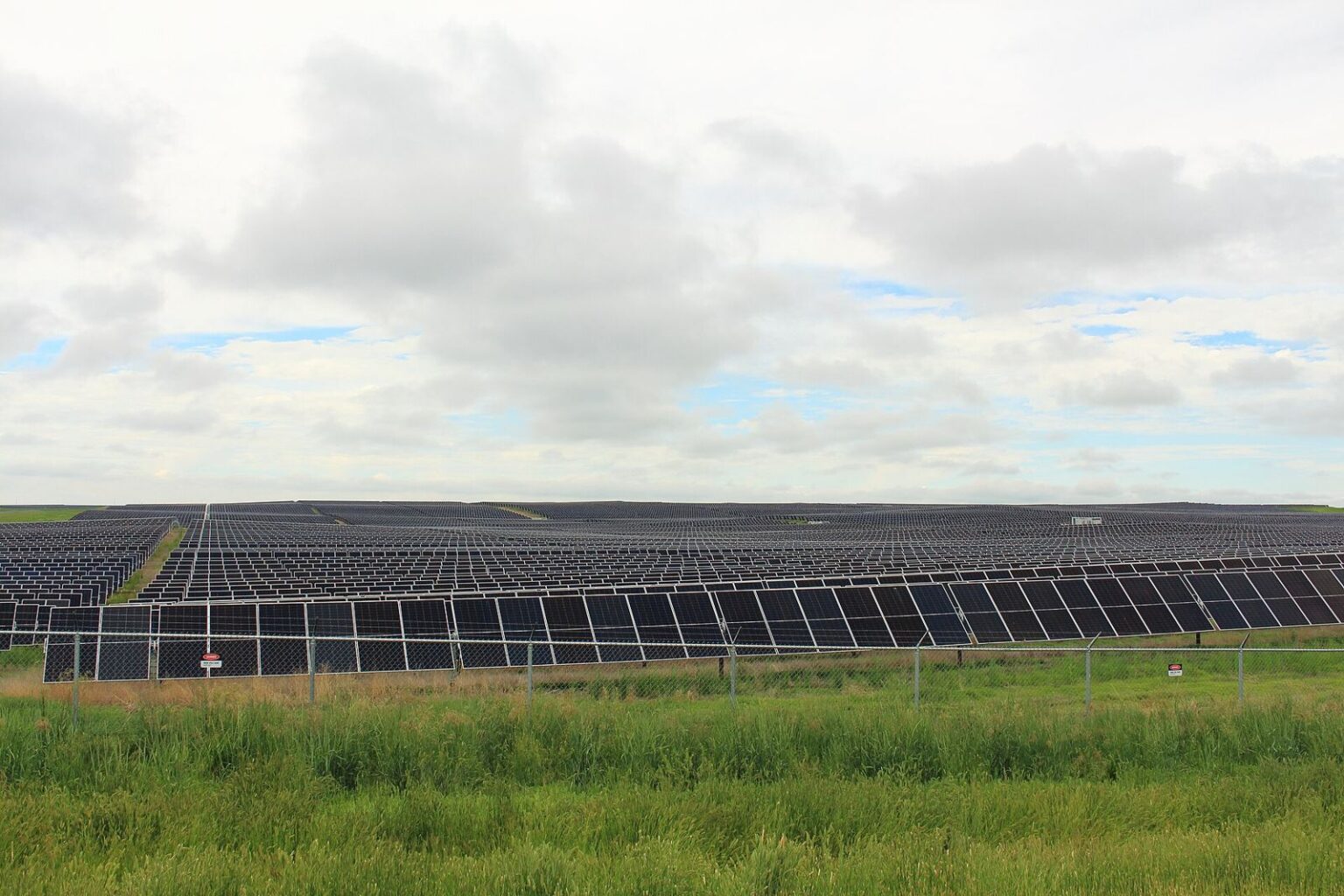
Utilities are investing in solar, storage, electric vehicle charging, grid upgrades and wildfire safety. Those programs bring new work for electricians, engineers, environmental firms, community outreach groups and installers, and many come with local hiring or small business goals. Watch utility board agendas and regulatory filings to see which programs are starting, and introduce your business early to the teams that run them.
Mistakes to avoid
- Treating a public utility like a private company, or the other way around.
- Skipping the safety prequalification paperwork until a bid is due.
- Registering on a portal without getting the certification the program counts.
- Ignoring the large primes that do most of a utility’s field work.
Water and gas utilities
Electric utilities get most of the attention, but water, wastewater and gas utilities buy just as steadily. Water agencies buy pipe and fittings, pumps and motors, treatment chemicals, lab testing, meter installation and reading, leak detection, paving restoration after pipe repairs, landscaping, and public education campaigns about conservation. Gas utilities buy locating and marking services, pipeline inspection, traffic control, restoration and safety training. Most water utilities are public, so their bids are posted like city and district bids, and many accept small business certifications from the state or the city they serve.
Community choice aggregators
In several states, community choice aggregators buy electricity on behalf of cities and counties while the local utility still delivers it. These public agencies also buy marketing, customer outreach, translation, data analysis, legal and consulting services, and local clean energy projects. In California they report supplier diversity results under the same GO 156 rule as investor-owned utilities, and many welcome local small businesses.
Take the free Utility Contracts workshop in Inksight Courses and Trainings: six narrated lessons, quizzes and a certificate, taught by Kevin Phan. It is part of a 15-workshop series on government contracting, from city hall to federal agencies.
Key takeaways
- Public utilities buy through public bids; investor-owned utilities buy like corporations.
- About 2,000 public power utilities serve more than 55 million Americans.
- SMUD’s SEED program aims for at least 20% of eligible contracts to small local firms.
- California utilities spent 30.1% with diverse suppliers in 2024, above a 23% goal.
- Safety prequalification comes before field work.
Frequently asked questions
How do I get utility contracts?
Register on your utility’s supplier portal or bid page, join its small or diverse business program, get the certification it accepts, and prepare for a safety prequalification.
What is SMUD’s SEED program?
SMUD’s Supplier Education and Economic Development program, which aims to award at least 20% of eligible contracts to small local businesses.
What is GO 156?
A California Public Utilities Commission rule that asks utilities to buy from diverse suppliers and report results each year.
Do utilities hire small subcontractors?
Yes. Large utility primes often subcontract traffic control, hauling, vegetation work, engineering and outreach.
What insurance do utilities require?
Usually general liability, auto and workers’ compensation, often at higher limits for field work. Check each solicitation.
Sources
- American Public Power Association: Public Power
- SMUD: Supplier Education and Economic Development (SEED) Program
- California Public Utilities Commission: Supplier Diversity (GO 156) Reports
- PG&E: Supplier Diversity and Supply Chain Responsibility
Keep reading on Inksight
- Business Credit vs. Personal Credit: What Every Small Business Owner Should Know
- How to Choose a Business Structure in California: Sole Proprietorship, LLC, S Corp or C Corp
- Business Banking 101: How to Choose and Open a Business Bank Account
- Small Business Funding Options: Loans, Grants and Investors
- Business Resources: all guides →