


















Government Contracting Guide · Special Districts
The public buyers hiding in plain sight.
Water, transit, ports, airports and housing: how they buy and how to get in.
Special district contracts come from public agencies that do one job, such as water, fire protection, transit, ports, airports or housing, and together they are one of the largest and least crowded public markets for small businesses.
The 2022 Census of Governments counted 39,555 special districts, more than any other kind of local government. About 41% handle natural resources, water or utilities. Others run fire protection, libraries, parks, hospitals, transit, ports, airports and public housing. Each has its own board, budget and purchasing rules.
What special districts buy
- Water and sewer districts: pipe, pumps, chemicals, lab testing, meter reading, landscaping, outreach.
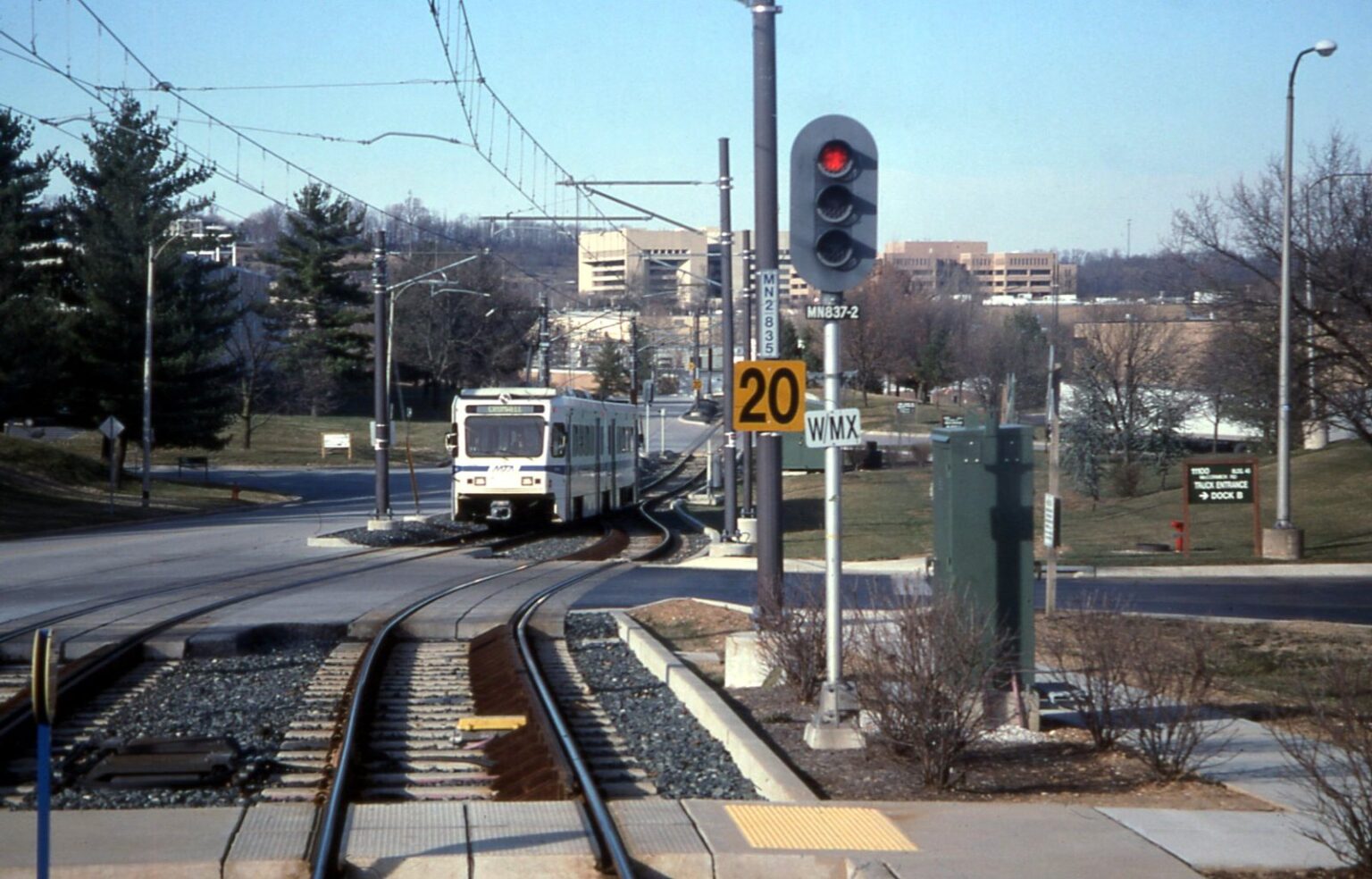
- Transit agencies: cleaning, security, uniforms, IT, bus stop repair, marketing and translation.
- Ports and airports: construction, maintenance, concessions, parking, environmental work.
- Housing authorities: unit turnover, repairs, pest control, appliances, resident services.
Federal grant rules travel with the money
Many districts use federal grants, and federal grant rules in 2 CFR 200.320 set how they buy. Since Oct. 1, 2024, the micro-purchase level under these rules is generally $15,000 and the simplified acquisition level is $350,000; above that, formal bids or proposals are required. Section 200.321 requires grant recipients to take affirmative steps to include small, minority and women-owned businesses, such as putting them on solicitation lists and dividing large jobs into smaller pieces.
Airports and the ACDBE program
Airports that receive federal funds run an Airport Concession Disadvantaged Business Enterprise program under 49 CFR Part 23, covering shops, restaurants, car rental and other concessions. Since October 2025, disadvantage must be shown individually, without a presumption based on race or sex. The 2024 rule also added a small business element so airports reach more small firms.
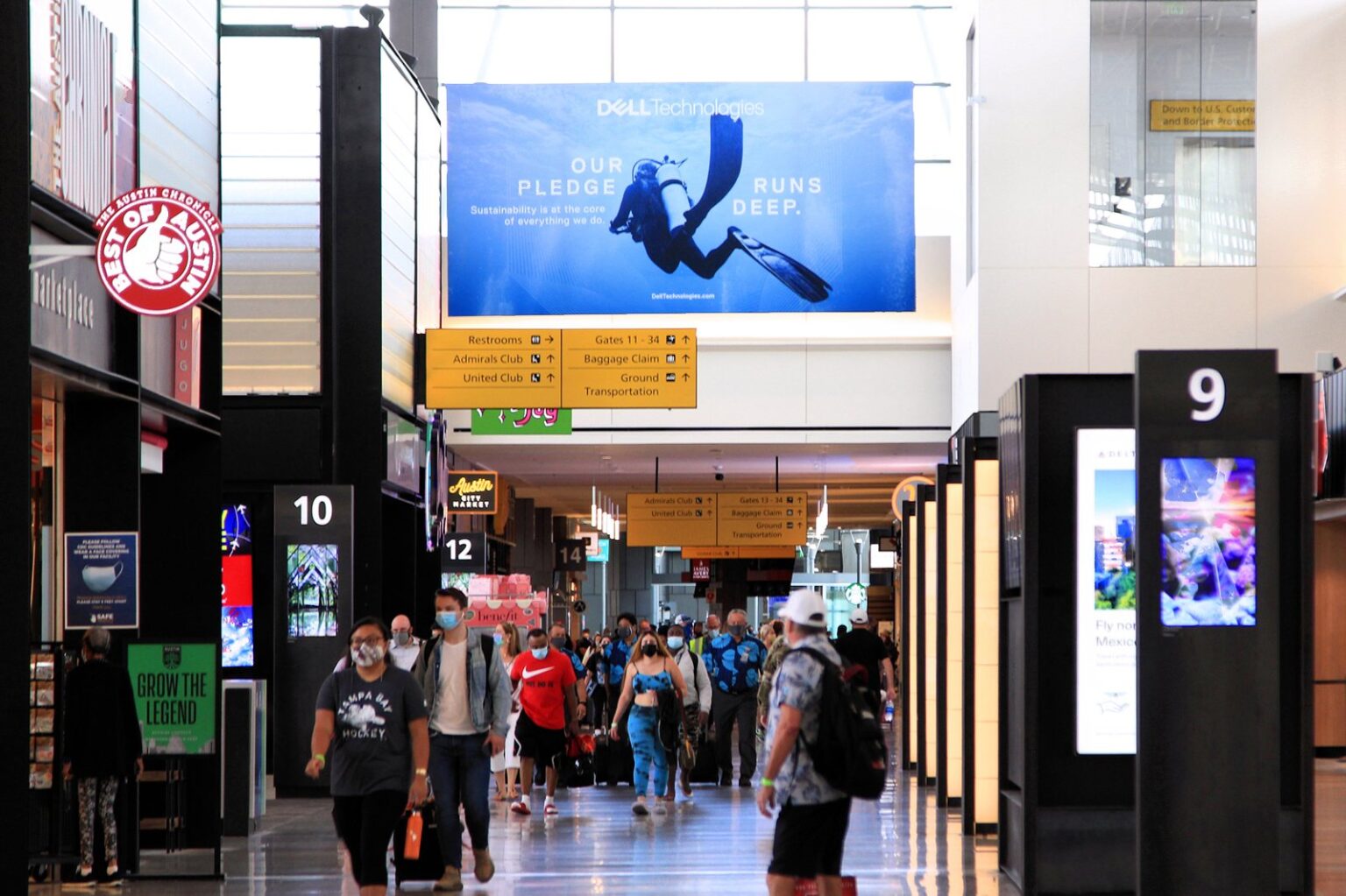
Finding special district bids
Your special district checklist
- List your districtsSearch your county name plus “special districts” to find water, fire, transit and others.
- Find each bid pageMost post bids on their own site or a shared bid network.
- Register as a vendorPick the categories that match what you sell.
- Watch board agendasDistricts approve contracts at public board meetings.
- Ask about small business outreachGrant rules require districts to reach small firms.
Mistakes to avoid
- Only watching city and county portals, and missing district bids.
- Ignoring federal clauses in a grant-funded contract.
- Underestimating safety and insurance rules at water plants, ports and airports.
Why special districts are less crowded
Many small businesses register with their city and county and stop there. Special districts post bids on their own websites, at their own board meetings, often with small vendor lists. A water district or transit agency may get only two or three quotes for routine work, and the buyers are often glad to hear from a capable local firm. That is why special districts can be a smart first public customer, especially for services like landscaping, janitorial, printing, outreach, IT support and small repairs.
Housing authorities and federal rules
Public housing authorities receive funding from the U.S. Department of Housing and Urban Development and follow federal procurement rules, including the affirmative steps for small, minority and women-owned businesses. Many also have Section 3 hiring and contracting goals that favor businesses that employ low-income residents. Housing authorities buy unit turnover, painting, flooring, appliance repair, pest control, landscaping and resident services all year long, making them steady customers for small trades businesses.
Ports, transit and safety
Ports, transit agencies and water plants are working industrial sites. Expect safety training, background checks, badging and higher insurance limits before you can start work. Build those costs into your price, and ask the district for its contractor safety requirements before you bid. Firms that show a clean safety record and a written safety program stand out with these buyers.
Fire districts, hospitals and libraries
Not every special district is large or industrial. Fire protection districts buy station repairs, vehicle maintenance, turnout gear cleaning, medical supplies and training. Hospital districts buy food service, linens, IT support, staffing and facility work. Library and park districts buy programming, printing, landscaping, furniture, security and event services. These smaller districts often have a general manager and a small office staff rather than a full purchasing department, so a clear, friendly introduction and a one-page capability statement can go a long way. Ask when their fiscal year starts, because many districts plan their spending in the budget cycle and buy soon after the new year begins, and ask to be added to the list of vendors called for quotes in your category.
Take the free Special Districts workshop in Inksight Courses and Trainings: six narrated lessons, quizzes and a certificate, taught by Kevin Phan. It is part of a 15-workshop series on government contracting, from city hall to federal agencies.
Key takeaways
- There are 39,555 special districts, more than any other kind of local government.
- Water, transit, ports, airports and housing all buy from small businesses.
- Federal grant rules set $15,000 and $350,000 levels and require small business outreach.
- Airports run ACDBE concession programs, now based on individual disadvantage.
- Board agendas show what districts will buy next.
Frequently asked questions
What is a special district?
A local government that does one job, such as water, fire protection, transit, ports, airports or housing.
How many special districts are there?
39,555 in the 2022 Census of Governments.
Do federal rules apply to special district contracts?
When a district uses federal grant money, 2 CFR 200 procurement rules apply, including outreach to small businesses.
What is the ACDBE program?
The airport concession program for disadvantaged businesses under 49 CFR Part 23.
How do I find special districts near me?
Search your county name plus “special districts,” check your state controller or local agency formation commission lists, and look at the agencies that serve your water, transit, port, airport and housing.
Do special districts have small business programs?
Many do, especially transit agencies, ports and airports. Districts using federal grants must also take affirmative steps to include small, minority and women-owned businesses.
Are special district contract awards public?
Yes. Districts are public agencies, so board agendas, minutes, bid results and approved contracts are public records you can read online or request from the district clerk.
Sources
- U.S. Census Bureau: 2022 Census of Governments, via Federal Reserve Bank of St. Louis (March 2024)
- eCFR: 2 CFR 200.320 and 200.321, procurement under federal awards
- eCFR: 49 CFR Part 23, Airport Concession DBE Program
- U.S. Department of Transportation: DBE Interim Final Rule (Oct. 2025)
Keep reading on Inksight
- Business Credit vs. Personal Credit: What Every Small Business Owner Should Know
- How to Choose a Business Structure in California: Sole Proprietorship, LLC, S Corp or C Corp
- Business Banking 101: How to Choose and Open a Business Bank Account
- Small Business Funding Options: Loans, Grants and Investors
- Business Resources: all guides →